Wondering about your tap water is normal. Worrying about it around the clock is not necessary, and neither is ignoring it entirely. The sensible middle path depends on one question most people are never asked directly: does your water come from a utility, or from a private well? The two systems play by different rules, and the testing advice differs accordingly.
If you are on city water
Municipal systems are regulated and tested constantly at the system level, far more often than any household could manage on its own. Once a year, your utility publishes a consumer confidence report, a plain-language summary of where the water comes from and what monitoring found in it. It usually arrives with a bill or lives on the utility's website. Reading it takes ten minutes and answers most of the questions people quietly carry around.
The important caveat: the utility's responsibility effectively ends at your meter. The pipes, solder, and fixtures inside your home are yours, and in older houses they can contribute metals such as lead to water that arrived clean. That is a plumbing question more than a source-water question, and it is the main reason a city-water household might still test.
When a city-water home should still test
- The house is old enough to have lead pipes, lead solder, or older brass fixtures, and the plumbing has never been assessed.
- Taste, odor, or color changes suddenly and stays changed.
- You have just finished major plumbing work.
- An infant's formula is being mixed with tap water and you want the reassurance.
- Your utility issues a notice and you want to verify your own tap afterward.
While you arrange answers, two general habits reduce exposure to metals that can come from home plumbing: use cold water for drinking and cooking, and let the tap run briefly after water has been sitting in the pipes for many hours.
If you are on a private well
A well is your own tiny utility, and the monitoring department is you. General public health guidance is to test well water at least once a year for coliform bacteria and nitrates, and any time circumstances change: after flooding, after work on the well or pump, after nearby construction or land-use changes, or when taste, smell, or appearance shifts. Every few years, a broader panel makes sense, guided by what your local health department says is worth watching in your area.
Strips, kits, and labs
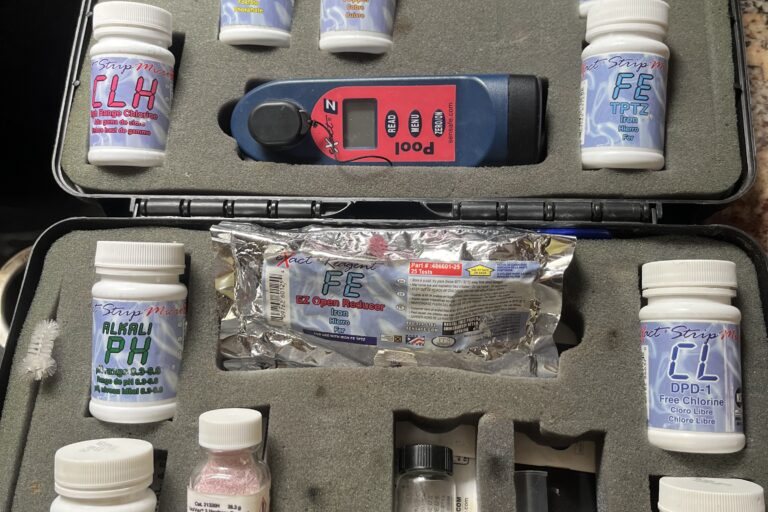
Test strips from the hardware store are screening tools. They are fine for curiosity, and for low-stakes parameters like hardness, but they are not the basis for decisions about safety. For anything that matters, use a certified drinking water laboratory. State and local health departments maintain lists of them, and the labs provide sample bottles and instructions. Follow the sampling instructions exactly; a surprising share of alarming results trace back to how the sample was collected.
Keep a small water file
Whether city or well, keep results, dates, and annual reports together in one folder. Water quality is a trend, not a snapshot, and having last year's numbers turns a confusing result into a useful comparison. It also makes conversations with a lab, a plumber, or the health department dramatically shorter.
The calm summary: on city water, read the annual report and test when the plumbing or your senses give you a reason. On a well, test on a schedule, because nobody else is doing it for you.
Knowing beats wondering, and in this corner of home health, knowing is cheap. One report read, or one lab kit mailed, converts a vague background worry into a plan, or, more often, into permission to stop worrying.