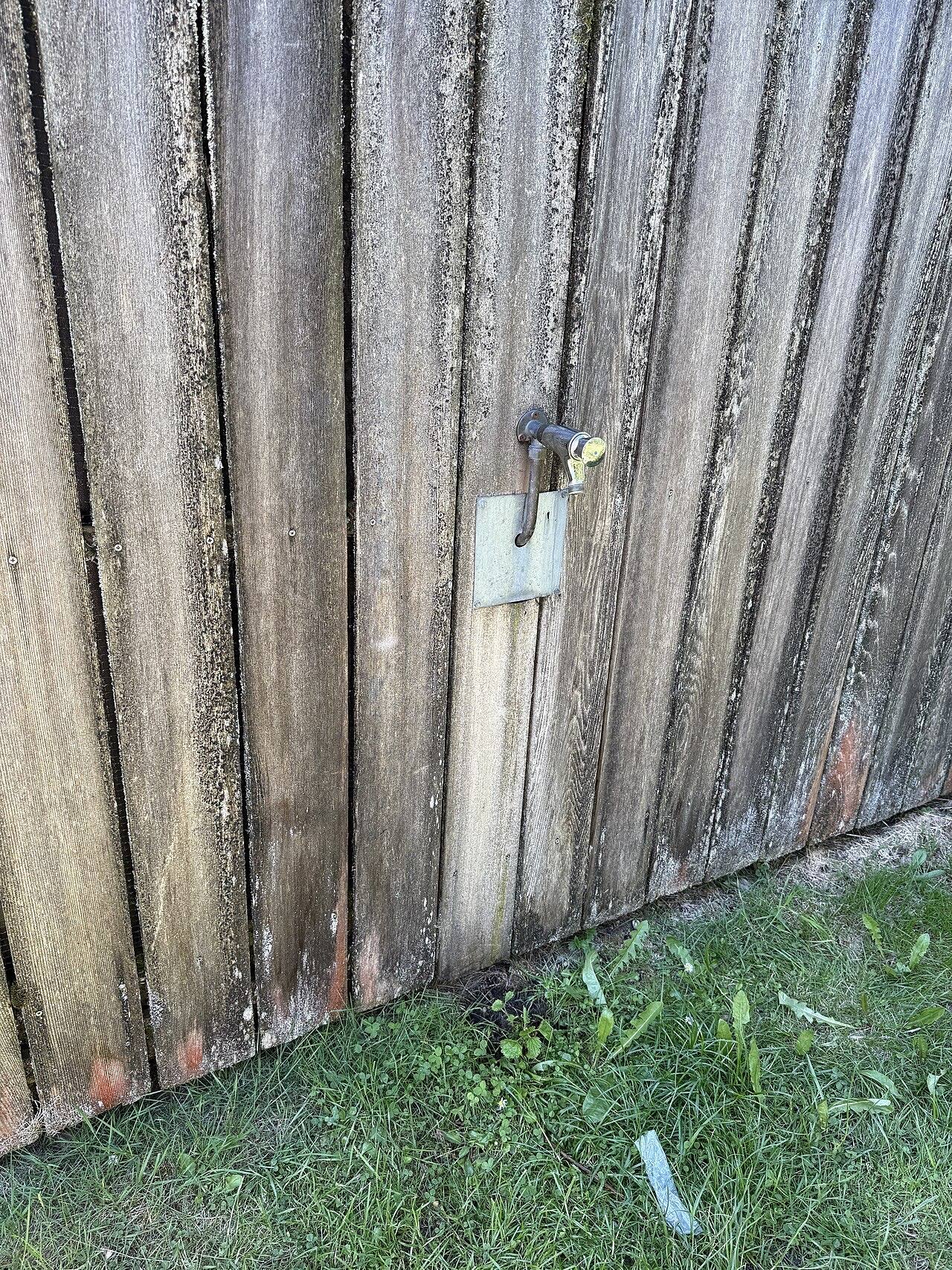
Water is a fundamental resource, essential for daily life. Ensuring the quality of water in your home is crucial for health and wellness. In light of ongoing discussions about healthcare and environmental responsibility, it is important for families to understand how to evaluate and enhance their water quality.
Why Water Quality Matters
Access to clean water is vital for hydration and overall health. Contaminated water can lead to various health issues, including gastrointestinal illnesses, reproductive problems, and neurological disorders. With rising concerns about water quality in various communities, including those highlighted in recent news, awareness and proactive measures have become increasingly important.
Assessing Your Water Quality
Start by determining the source of your water. If you are connected to a municipal supply, you can request a water quality report from your local provider. This report typically includes information on contaminants, such as lead, nitrates, and microbial pathogens. If you rely on well water, consider having it tested regularly by a certified laboratory.
Here are some common contaminants to test for:
- Lead: Found in old plumbing and fixtures, lead can be harmful, especially to children.
- Nitrates: Often from agricultural runoff, high levels can pose a risk to infants.
- Bacteria: Coliform bacteria indicate contamination that can lead to serious illness.
Improving Water Quality
If testing reveals contaminants, there are several steps you can take. For lead reduction, consider installing a point-of-use water filter certified for lead removal. Staying informed about your local water conditions can also guide you in making necessary adjustments.
For families using well water, regular testing is essential. Install a filtration system if tests indicate high levels of nitrates or bacteria. Furthermore, ensure that your well is located away from potential sources of contamination, such as septic systems and agricultural areas.
Staying Informed
Monitoring changes in water quality can be complex, especially as environmental conditions fluctuate. Recent discussions in the media, such as the potential changes in healthcare policy and its implications on public health, highlight the importance of being proactive about health concerns. For example, understanding the landscape of health services can empower families to seek support and resources when needed, ensuring they are taking appropriate measures for clean water access.
Families can also benefit from connecting with local community resources or health departments that provide additional information on water safety. By engaging in community discussions and initiatives, households can advocate for better water quality standards.
Conclusion
Ensuring safe drinking water is a fundamental part of maintaining a healthy home. By assessing your water quality, taking necessary measures to improve it, and staying informed, families can protect their health without succumbing to panic or fear. Knowledge and proactive steps can greatly enhance the well-being of all members of your household.
For further reading on related health topics, consider visiting NPR for insights into health discussions that intersect with environmental factors.