Clean air is crucial for maintaining health and well-being in our homes. Poor indoor air quality can lead to a range of health issues, including respiratory problems, allergies, and other chronic conditions. As we spend a significant amount of our lives indoors, understanding the factors that contribute to indoor air quality is essential.
What Affects Indoor Air Quality?
Several elements can compromise the air quality in your home. Common pollutants include dust, mold spores, pet dander, volatile organic compounds (VOCs) from paints and cleaning products, and outdoor pollutants that can seep inside through open windows and doors.
Recent discussions around health policies underscore the importance of proactive measures in maintaining a healthy environment. Dr. Zeke Emanuel, a noted health policy physician, promotes a back-to-basics approach to optimizing health, which extends to our living spaces. As per an NPR report, he emphasizes fundamental practices that can contribute to longevity, highlighting that ensuring clean air at home is a key component of this.
Practical Steps to Improve Indoor Air Quality
There are several effective strategies to reduce pollutants and improve air quality:
- Regular Cleaning: Dust and vacuum your home regularly to remove allergens and dust particles. Use a vacuum with a HEPA filter to trap smaller particles.
- Control Humidity: Keeping indoor humidity levels between 30% and 50% can help prevent mold growth. Use dehumidifiers in damp areas like basements and ensure good ventilation throughout your home.
- Ventilation: Improve air circulation by opening windows and using exhaust fans in kitchens and bathrooms. A well-ventilated home reduces the concentration of indoor pollutants.
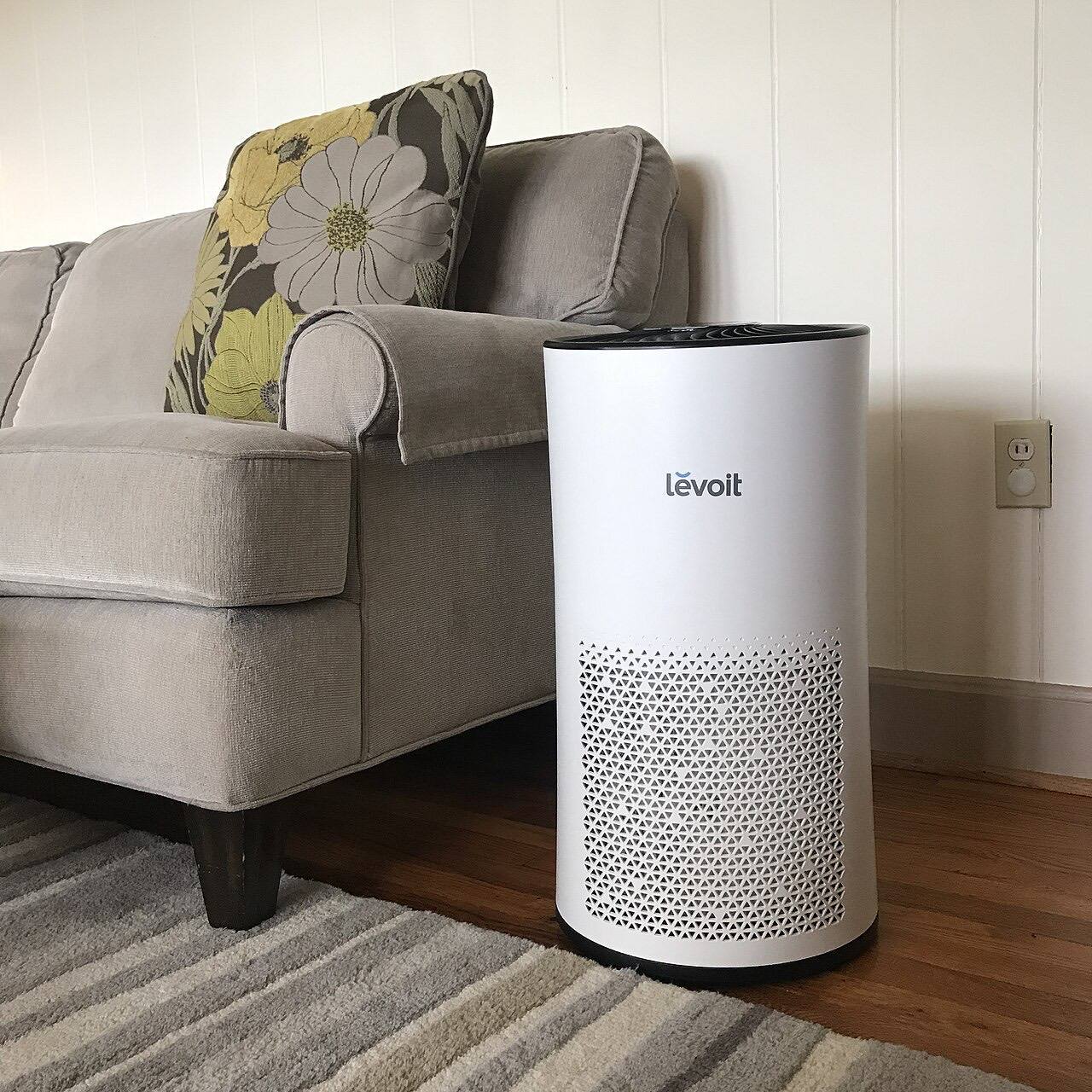
- Air Purifiers: Consider using air purifiers with HEPA filters to capture particles and improve air quality, especially in bedrooms and living areas.
- Choose Low-VOC Products: When selecting paints, cleaners, and furnishings, opt for low-VOC or non-toxic options to minimize harmful emissions.
Monitoring Air Quality
Investing in an indoor air quality monitor can provide insights into the levels of pollutants present in your home. These devices can track humidity, temperature, and various pollutants, alerting you to conditions that may need your attention.
While it is important to be aware of indoor air quality, it is equally vital not to succumb to fear or anxiety over potential pollutants. By adopting a few practical strategies and remaining informed, you can create a healthier indoor environment for you and your family.
Conclusion
Maintaining clean air in your home is not a difficult task but it does require awareness and action. By implementing the steps discussed, you can greatly enhance the quality of the air you breathe. For those needing more extensive repairs, especially concerning roofs or ventilation systems, consulting professionals, such as those at Keys Roofing, can help ensure a comprehensive approach to your home’s health.
Incorporating these practices into your routine can lead to significant improvements in your home’s air quality, ultimately supporting your overall health and well-being.