In many homes, concerns about indoor air quality often take a backseat to aesthetics or energy efficiency. However, understanding the importance of proper ventilation is crucial for maintaining a healthy home environment. Poor ventilation can trap pollutants indoors, leading to a range of health issues, while effective ventilation helps circulate fresh air and remove contaminants.
Why Ventilation Matters
Ventilation aids in reducing indoor air pollutants, which can include volatile organic compounds (VOCs), dust, allergens, and moisture. These pollutants can accumulate in enclosed spaces, leading to discomfort and potential health risks, especially for sensitive individuals such as children and the elderly. The American Lung Association emphasizes the importance of maintaining good indoor air quality to support respiratory health.Recent Insights on Indoor Health
Recent discussions in public health highlight the broader implications of indoor air quality. For instance, in an article by NPR, the complex relationship between environmental factors and health is underscored. While the piece focuses on aortic dissection, it indicates that a myriad of health concerns can be exacerbated by environmental conditions, including air quality. Ensuring that your home is well-ventilated can alleviate some of these risks by promoting better air circulation and reducing the concentration of harmful airborne particles. You can read more about this in the article What is an aortic dissection?.Simple Steps to Improve Ventilation
Improving ventilation does not have to be complicated. Here are some practical tips you can implement in your home:- Open Windows Regularly: If weather permits, open windows to allow fresh air to flow in and stale air to escape. This is especially important when cooking or using cleaning products.
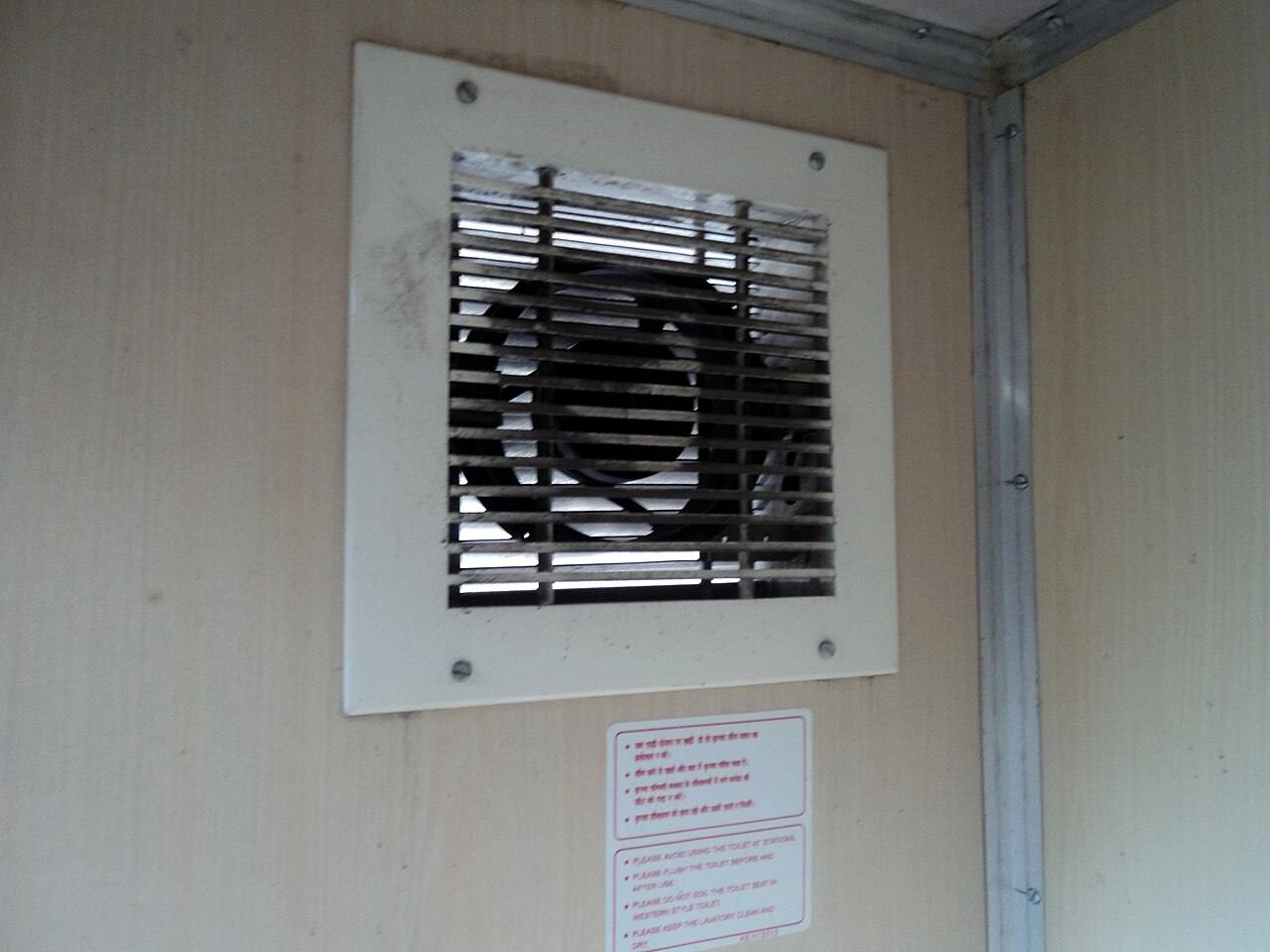
- Use Exhaust Fans: In areas like kitchens and bathrooms, use exhaust fans to remove moisture and odors. Make sure these fans vent to the outside rather than recirculating air.
- Consider a Whole-House Ventilation System: For homes with limited natural ventilation, consider installing a mechanical ventilation system. These systems can provide controlled airflow and improve air quality.
- Check Filters: Regularly check and replace filters in your heating and cooling systems. Clean filters can significantly improve air quality.