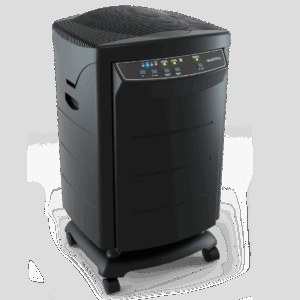
Indoor air quality is a critical aspect of home wellness that is often overlooked. Poor air quality can lead to a variety of health issues, including respiratory problems and allergies, and can exacerbate existing conditions. With recent health concerns coming to light, such as a tuberculosis outbreak at a federal immigration jail in Colorado affecting at least 12 detainees, it brings to attention the importance of maintaining a healthy indoor environment.
Why Indoor Air Quality Matters
The air inside our homes can be more polluted than the air outside. This is often due to a combination of inadequate ventilation, indoor pollutants from household products, and microbial growth. Poorly ventilated spaces can trap contaminants, leading to health risks. A recent report highlighted how "the reported infections are the latest in a series of health concerns at the federal immigration jail in Aurora" where close quarters and limited ventilation may have contributed to the spread of tuberculosis The Guardian.
Understanding Ventilation
Ventilation is the process of supplying fresh air and removing stale air from an indoor environment. There are two main types of ventilation: natural and mechanical. Natural ventilation relies on windows, doors, and vents to allow air to flow, while mechanical ventilation uses fans and air conditioning systems to control airflow.
In homes where natural ventilation is limited, mechanical systems play a vital role in ensuring that indoor air remains clean and fresh. Regularly operating exhaust fans in kitchens and bathrooms can help reduce moisture, odors, and pollutants. Additionally, using air purifiers with HEPA filters can further enhance indoor air quality by removing particulates.
Practical Steps to Improve Indoor Air Quality
1. **Ensure Adequate Ventilation**: Open windows when weather permits, and use exhaust fans in areas prone to moisture, such as bathrooms and kitchens.
2. **Monitor Humidity Levels**: Keeping indoor humidity between 30% and 50% can discourage mold growth and dust mites. Using a hygrometer can help you keep track of humidity levels.
3. **Use Non-Toxic Products**: Choose low-VOC (volatile organic compounds) paints, cleaners, and furnishings. This will help minimize harmful emissions that can degrade air quality.
4. **Regular Maintenance**: Change your HVAC filters according to manufacturer recommendations and clean ducts if necessary to ensure efficient airflow.
5. **Houseplants**: Certain houseplants can help improve air quality, but it is essential to choose the right types and maintain them to prevent mold growth.
The Role of Community and Public Health
Communities must prioritize public health measures that ensure safe living environments. As seen in recent public health discussions, the importance of proper care and ventilation cannot be overstated. Ensuring that all living spaces are equipped to handle health risks is essential.
Dr. Zeke Emanuel highlights a back-to-basics approach to health, advocating for simple yet effective measures to optimize personal wellness NPR. This principle is applicable to our homes; prioritizing air quality is a straightforward yet vital aspect of maintaining overall family health.
Improving indoor air quality may seem like a daunting task, but small changes can lead to significant outcomes. By being proactive about ventilation and air quality, you can create a healthier environment for you and your family.