Indoor air quality (IAQ) plays a crucial role in the overall health and comfort of your family. Poor IAQ can lead to various health issues, ranging from respiratory problems to fatigue and headaches. Understanding factors that impact indoor air quality can help you create a healthier home environment.
What Affects Indoor Air Quality?
Several elements contribute to indoor air quality. Common pollutants include volatile organic compounds (VOCs), particulate matter, mold spores, and carbon dioxide. Sources of these pollutants can vary widely, including household cleaners, paints, furniture, and even outdoor air that infiltrates your home.
For instance, when assessing your home environment, consider what materials you use for cleaning. Many cleaning products contain VOCs, which can be released into the air as they dry. Opting for low-VOC or natural alternatives can help minimize indoor air pollution.
Humidity and Ventilation
Humidity levels also play a pivotal role in maintaining good indoor air quality. High humidity can encourage mold growth and dust mites, while low humidity might lead to dry skin and respiratory discomfort. The ideal indoor humidity level is typically between 30% and 50%. Using a dehumidifier or humidifier can help maintain this balance.
Ventilation is another critical aspect of IAQ. Regularly opening windows can help reduce indoor pollutants by allowing fresh outdoor air to circulate. However, it is essential to consider outdoor air quality, particularly during times of high pollution or allergens. If outdoor air quality is poor, using an air purifier with a HEPA filter can significantly improve the air you breathe indoors.
Practical Steps for Improving Indoor Air Quality
Creating a healthier indoor environment does not need to be overwhelming. Here are some practical steps you can take:
- **Regular Cleaning:** Dust and vacuum often, using a vacuum with a HEPA filter to capture smaller particles effectively.
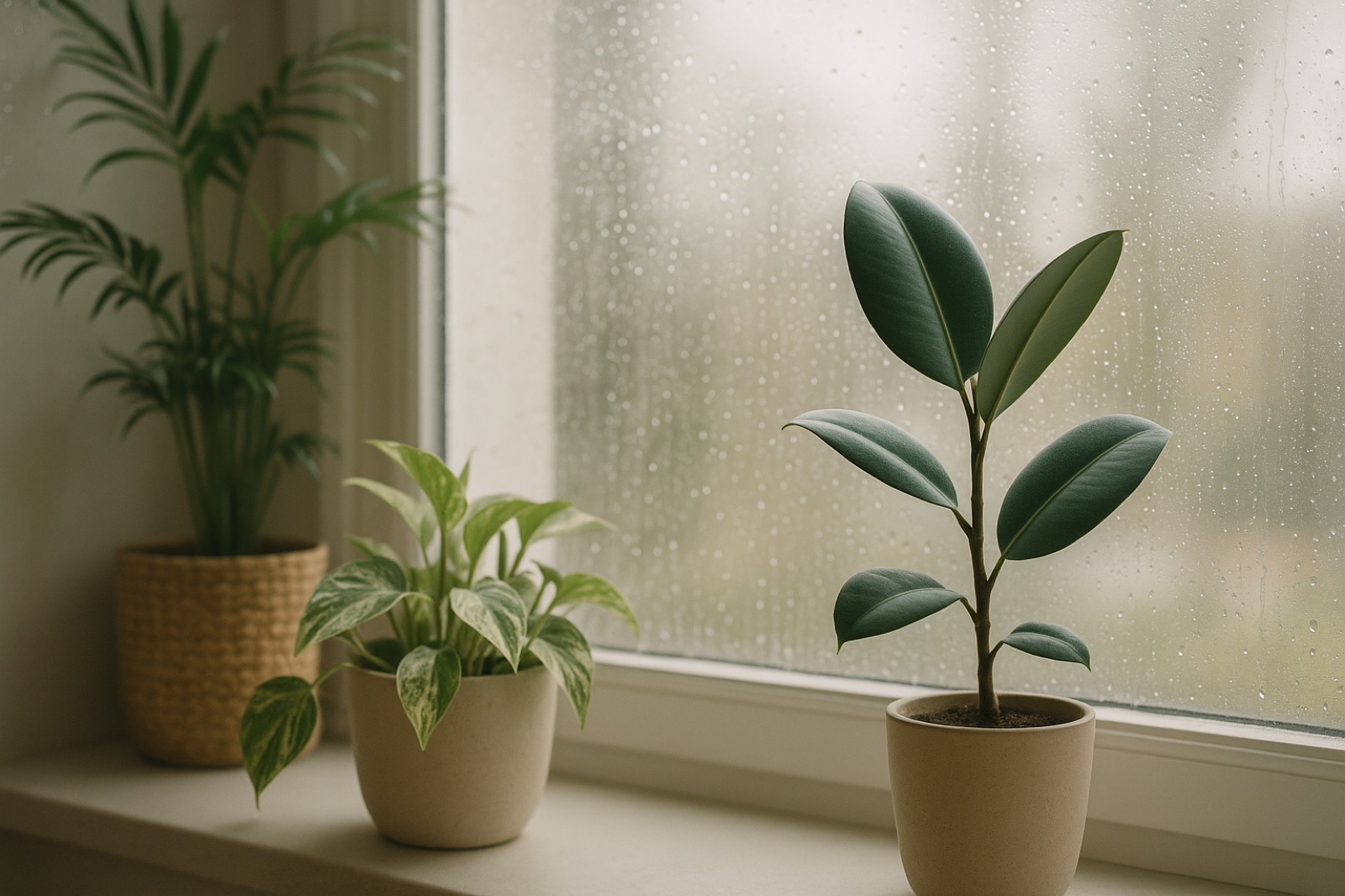
- **Houseplants:** Consider introducing houseplants known for improving air quality, such as spider plants or peace lilies, which can help absorb some pollutants.
- **Limit Smoking:** If you smoke, do so outside and away from windows and doors to prevent tobacco smoke from entering your home.
- **Check for Mold:** Regularly inspect areas prone to moisture, such as bathrooms and basements, and address any mold issues promptly.
- **Monitor Carbon Dioxide Levels:** High levels of CO2 can indicate poor ventilation. If your home contains gas appliances, ensure they are well-ventilated and maintained.
Stay Informed
Recent discussions surrounding public health often highlight the importance of environmental factors. For instance, a recent NPR article emphasizes the importance of considering individual health needs in various contexts, including how environments affect family well-being.
As we learn more about the impact of our surroundings on health, it is vital to stay informed about best practices for maintaining good indoor air quality. Investing a little time in improving your home environment can lead to significant benefits for your family's health and comfort.