Indoor air quality is an essential aspect of a healthy home environment. Many people are unaware that the air inside their homes can be more polluted than the air outside. Factors such as mold, dust, and volatile organic compounds (VOCs) can significantly impact the health of all family members. This article aims to provide practical guidance on improving indoor air quality and understanding its importance for family health.
Common Indoor Air Pollutants
Several common pollutants can affect indoor air quality, including:
- Mold: Mold can thrive in damp areas, often leading to respiratory issues and allergic reactions.
- Dust mites: These tiny creatures live in household dust and can trigger asthma and allergy symptoms.
- Volatile organic compounds (VOCs): Found in many household products, such as paints and cleaning supplies, VOCs can evaporate into the air, causing health problems.
- Carbon monoxide: This colorless, odorless gas can be produced by gas appliances and can pose serious health risks if levels rise too high.
The Importance of Monitoring Air Quality
The quality of indoor air is especially crucial for families with young children, elderly members, or individuals with pre-existing health conditions. For instance, a recent article in The Guardian highlights how a common parasite can lead to severe health issues. While the focus of that article is on an external threat, it underscores the importance of vigilance in all areas of health, including air quality.
By monitoring the air quality in your home, you can identify and address potential hazards before they lead to health issues. Consider using air quality monitors that can track levels of pollutants and provide real-time feedback.
Practical Steps to Improve Indoor Air Quality
Here are several practical steps you can take to enhance the air quality in your home:
- Ventilation: Ensure your home is well-ventilated. Open windows when weather permits and use exhaust fans in kitchens and bathrooms to reduce humidity.
- Regular cleaning: Frequently dust and vacuum your home using a vacuum with a HEPA filter to reduce allergens.
- Control humidity: Keep humidity levels between 30% and 50% to discourage mold growth. Consider using a dehumidifier in damp areas.
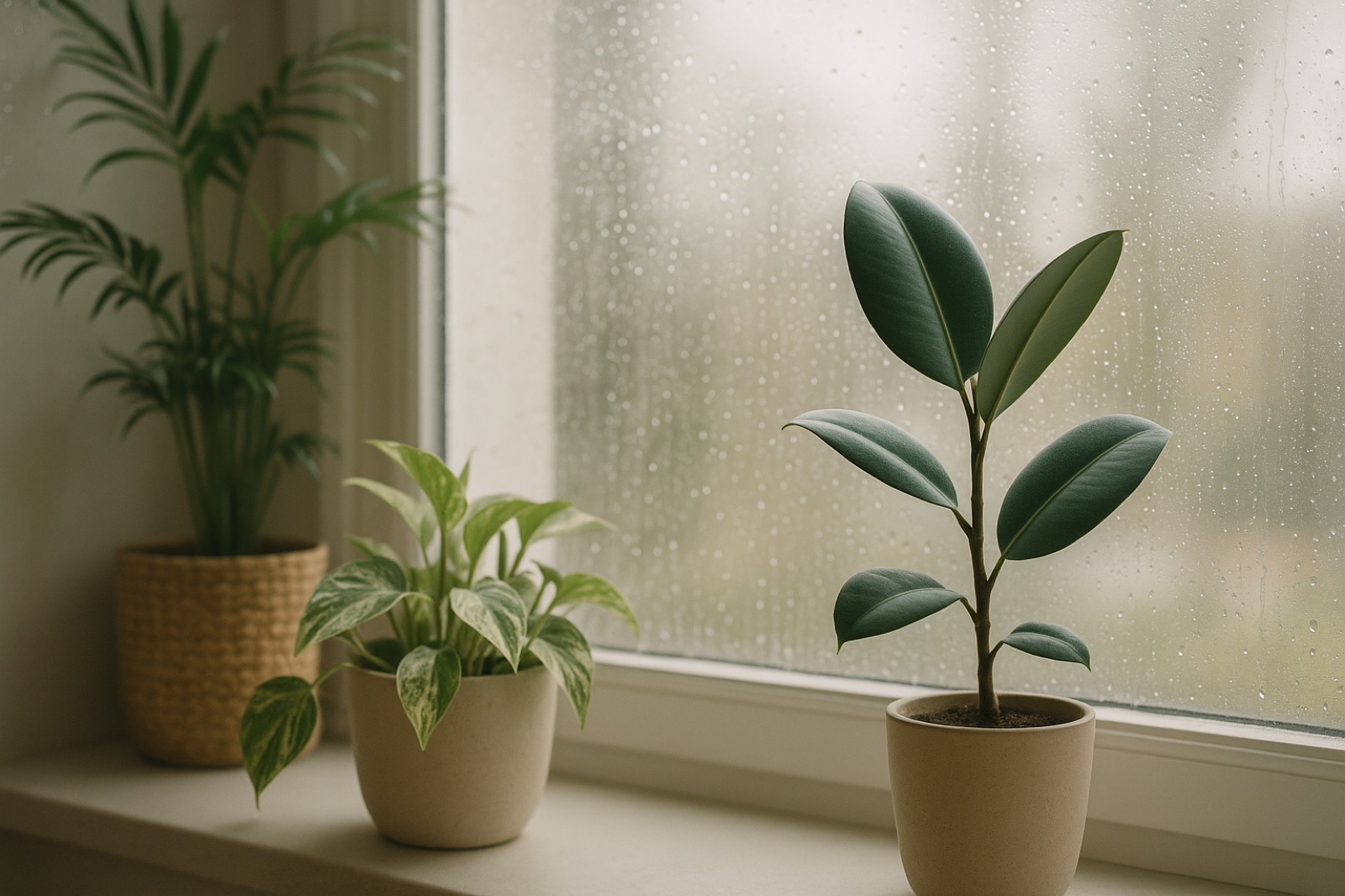
- Houseplants: Certain indoor plants can improve air quality by filtering out toxins. Plants like spider plants and peace lilies are known for their air-cleansing properties.
- Choose low-VOC products: When purchasing paints, finishes, or cleaning supplies, opt for those labeled as low in VOCs to minimize indoor pollution.
- Inspect for leaks: Regularly check your home for leaks or areas of moisture that can lead to mold growth. Professional services like those offered by Keys Roofing can help identify and address these issues effectively.
Conclusion
Maintaining good indoor air quality is essential for promoting family health. By understanding common pollutants and implementing practical measures to improve air quality, you can create a safer and more comfortable living environment. Regular monitoring and proactive management of indoor air quality can significantly reduce health risks and enhance your family’s overall well-being.