Indoor air quality is a crucial but often overlooked aspect of family health and well-being. The air we breathe inside our homes can significantly impact our physical and mental health. With many families spending a large part of their day indoors, improving indoor air quality is essential not only for comfort but also for long-term wellness.
What Affects Indoor Air Quality?
Various factors can influence the quality of indoor air, including the presence of pollutants, humidity levels, and ventilation. Common indoor air pollutants include dust, mold, pet dander, volatile organic compounds (VOCs) released from paints and cleaning products, and outdoor pollutants that can enter through open windows or cracks.
According to the U.S. Environmental Protection Agency (EPA), indoor air can be two to five times more polluted than outdoor air. This is particularly concerning for vulnerable populations, including children and individuals with respiratory conditions. Therefore, understanding how to improve indoor air quality is an important step in maintaining a healthy home environment.
Practical Steps to Improve Air Quality
Here are some practical tips to enhance indoor air quality:
- Ventilation: Ensure adequate ventilation in your home. Open windows when weather permits to allow fresh air to circulate. Consider using exhaust fans in kitchens and bathrooms to remove moisture and pollutants.
- Air Purifiers: Invest in an air purifier with a HEPA filter. These devices can effectively remove particulate matter from the air, reducing allergens and other harmful particles.
- Regular Cleaning: Dust and vacuum regularly to minimize dust, mold, and pet dander. Use a vacuum with a HEPA filter for the best results.
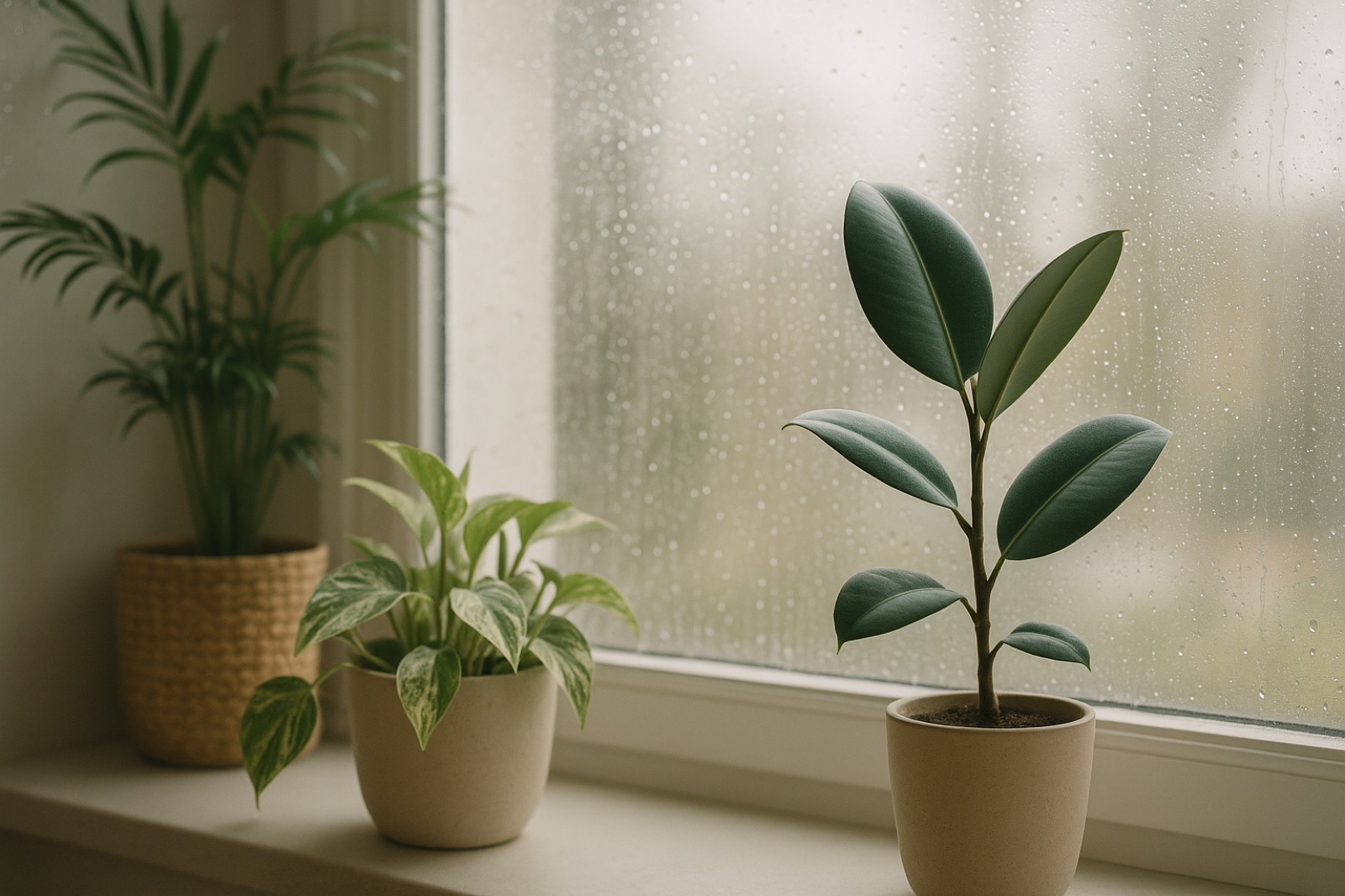
- Plants: Introduce indoor plants that are known to improve air quality. Plants like spider plants, peace lilies, and snake plants can help filter indoor air pollutants.
- Humidity Control: Maintain indoor humidity levels between 30% and 50%. Invest in a dehumidifier if necessary to prevent mold growth.
- Limit VOCs: Choose low-VOC or VOC-free products when painting or cleaning. This can significantly reduce the amount of harmful chemicals released into your home.
Monitoring Air Quality
Another effective way to ensure you are maintaining good air quality is by monitoring it. There are various devices available that can measure indoor air pollutants and humidity levels. These tools can provide valuable information, allowing you to take actionable steps when air quality dips.
Linking Air Quality to Health Outcomes
Several studies have shown a clear connection between indoor air quality and health outcomes. Poor air quality is linked to respiratory issues, allergies, and even cardiovascular problems. Keeping your indoor air clean can help reduce these risks and contribute to a healthier home environment.
As we consider the broader implications of health and wellness, it is essential to recognize how our home environments impact our lives. In light of recent discussions surrounding health care policies and their implications, such as the recent news where the Department of Health and Human Services has shelved aggressive attempts to limit care options for vulnerable populations, we must continue advocating for overall health and wellness at home. Families can take charge of their health by improving their indoor environments through practical measures.
By prioritizing indoor air quality, families can create a safer and healthier living space. Simple changes can lead to significant improvements in health and well-being.