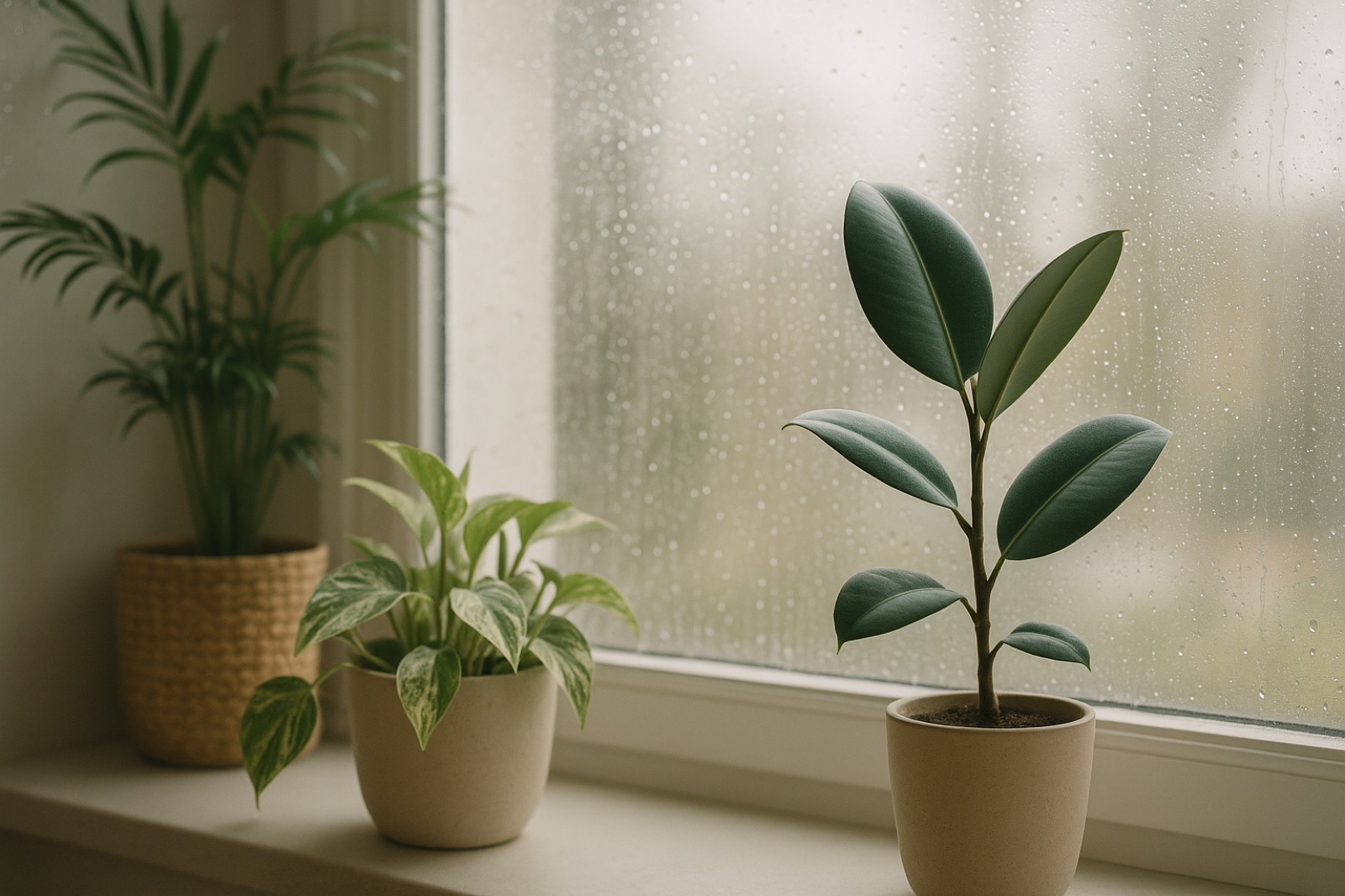
Indoor air quality (IAQ) is a crucial aspect of our home environments that can significantly impact family health. Many factors contribute to IAQ, including pollutants, humidity levels, and ventilation. Understanding these elements can help you create a healthier space for your family.
What Affects Indoor Air Quality?
Common contributors to poor indoor air quality include volatile organic compounds (VOCs), mold, and inadequate ventilation. VOCs are found in many household products such as paints, cleaning supplies, and air fresheners. When these substances evaporate at room temperature, they can release harmful fumes.
Mold thrives in damp environments and can release spores into the air, leading to respiratory issues and allergic reactions. Proper ventilation is essential to dilute indoor pollutants and bring in fresh air from outside. However, many homes have limited airflow, which can exacerbate IAQ problems.
Practical Steps to Improve Indoor Air Quality
There are several practical steps you can take to enhance the air quality in your home. First, ensure proper ventilation by opening windows when weather permits, using exhaust fans in bathrooms and kitchens, and considering air purifiers equipped with HEPA filters. These filters can effectively capture fine particles, reducing allergens like dust and pet dander.
Regular cleaning is another critical factor in maintaining good IAQ. Dust and vacuum your home frequently, and consider using a vacuum equipped with a HEPA filter to trap pollutants effectively. Be mindful of your cleaning products; opting for natural or eco-friendly alternatives can reduce the number of harmful chemicals released into your air.
Addressing Humidity Levels
Humidity plays a significant role in indoor air quality. Ideally, indoor humidity should be between 30% and 50%. If the humidity level is too high, it can encourage mold growth, while low humidity can lead to dry skin and respiratory discomfort. Using a dehumidifier or humidifier can help maintain balanced humidity levels in your home.
Connecting with Current Discussions on Health and Environment
Recent discussions around public health emphasize the importance of addressing environmental factors that affect well-being. For example, in a recent article, MPs called for a ban on fast food outlets opening near schools to tackle obesity. This illustrates how environment can shape health outcomes and underscores the need for healthier spaces in our communities. While that focus is on outdoor environments, similar principles apply to our homes. The spaces we inhabit are critical to our health.
Moreover, findings from an article that explored the overall health impact of our choices highlight the importance of personal agency in creating healthier environments. A mindful approach to our indoor spaces can lead to positive changes for our family’s wellness.
Conclusion
Understanding and improving your indoor air quality can have significant benefits for your family's health. By being proactive in reducing pollutants, managing humidity, and ensuring adequate ventilation, you can create a safer and more comfortable home. These steps not only support physical health but also contribute to overall family well-being.