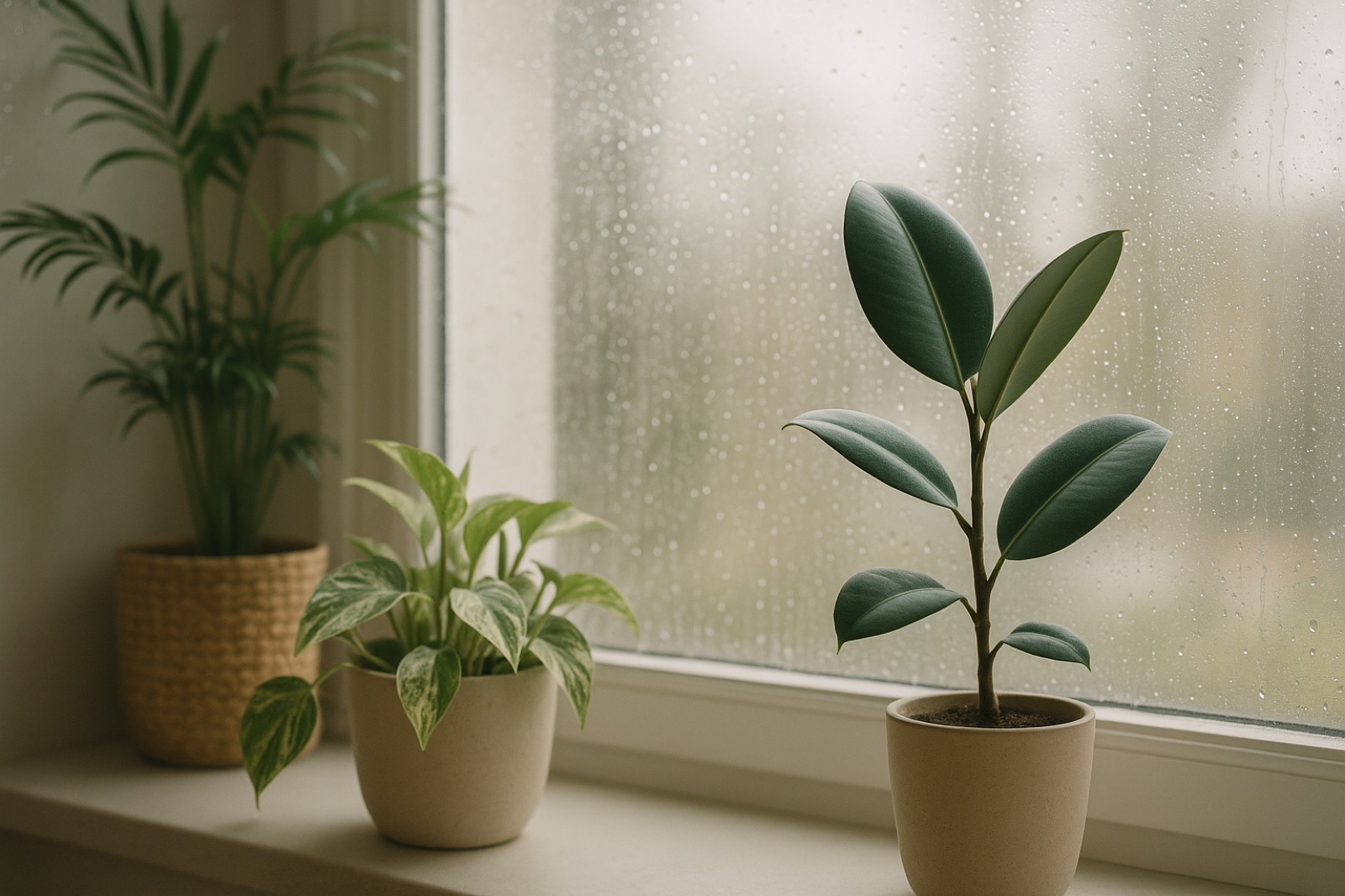
Humidity plays a crucial role in our comfort and health at home. It refers to the amount of moisture in the air, and while some humidity is necessary for our well-being, too much or too little can lead to various issues.
Why Humidity Matters
Indoor humidity levels should ideally be between 30% and 50%. When humidity is too low, it can lead to dry skin, irritated eyes, and respiratory issues. On the other hand, high humidity can create an environment conducive to mold growth and dust mites, both of which can exacerbate allergies and asthma.
Mold Growth and Health Risks
Excessive moisture in the home can lead to mold growth, which has been linked to various health concerns. Mold spores can trigger allergic reactions and respiratory problems in sensitive individuals. In recent reports, outbreaks of cyclospora, a parasite that can cause gastrointestinal distress, highlight the importance of maintaining a clean and dry environment in the home. Although cyclospora is primarily foodborne, understanding how moisture interacts with health is essential for overall well-being. According to a recent article in The Guardian, federal health officials have been on alert for outbreaks that emphasize the significance of cleanliness and moisture control.
Managing Indoor Humidity
To achieve and maintain optimal humidity levels in your home, consider the following practical steps:
- Use a Hygrometer: This device measures the humidity level in your home. Knowing the current humidity can help you make informed decisions about how to manage it.
- Ventilation: Ensure that areas prone to moisture, such as kitchens and bathrooms, are well-ventilated. Use exhaust fans during cooking or showering to help disperse humidity.
- Dehumidifiers: In particularly humid areas, a dehumidifier can be an effective tool to reduce moisture levels. Set it to maintain the ideal humidity range.
- Houseplants: Some plants can absorb excess moisture and improve air quality. However, be cautious as over-watering plants can increase humidity.
- Regular Maintenance: Check for leaks in plumbing or roofing that can contribute to excess moisture. Regularly clean and maintain areas prone to mold growth, such as basements and attics.
Conclusion
Understanding and managing humidity levels in your home is essential for maintaining comfort and health. By taking proactive measures to control moisture, you can create a more pleasant living environment. Stay informed about potential health risks associated with humidity, and prioritize regular checks to ensure your home remains a safe space for you and your family.