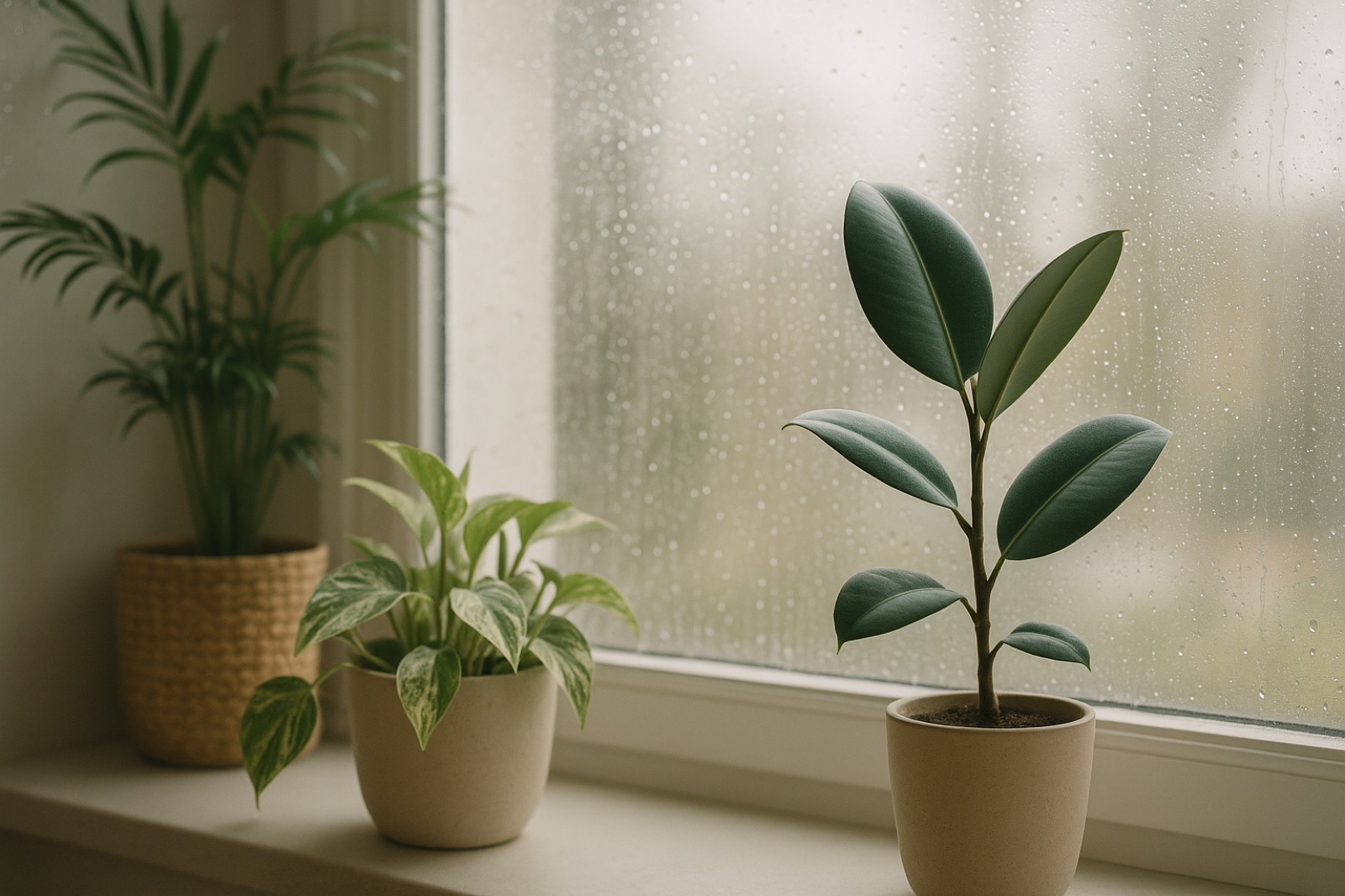
When it comes to maintaining a healthy home environment, understanding and managing household contaminants is crucial. From volatile organic compounds (VOCs) in cleaning products to particulate matter from cooking, these unseen pollutants can impact your family's health. Here we provide practical tips on how to identify these contaminants and ways to reduce their presence in your home.
What Are Household Contaminants?
Household contaminants are substances that can negatively affect air quality and overall health. They include both biological and chemical agents. Common examples are dust mites, mold spores, pet dander, and chemical emissions from household products. According to the World Health Organization, poor indoor air quality can lead to various health issues, including respiratory problems, allergies, and even long-term diseases.
Identifying Common Sources of Contaminants
To effectively reduce exposure, it's important to know where contaminants often arise:
- Cleaning Products: Many commercial cleaning supplies contain VOCs that can evaporate into the air and contribute to indoor pollution.
- Cooking: Preparing food can release smoke and particulate matter, particularly if you're cooking at high temperatures.
- Mold and Moisture: Areas with high humidity, such as bathrooms and kitchens, can foster mold growth, which releases spores into the air.
- Household Items: Furniture, paint, and even flooring can emit harmful compounds.
Practical Tips for Reducing Contaminants
Here are some actionable strategies to help reduce household contaminants:
- Choose Low-VOC Products: When purchasing cleaning supplies and paints, look for those labeled as low in VOCs to minimize chemical exposure.
- Ventilate Properly: Ensure your home is well-ventilated. Open windows while cooking and using cleaning products to help dissipate fumes.
- Maintain Humidity Levels: Keep indoor humidity between 30% and 50% to discourage mold growth. Use dehumidifiers in damp areas if necessary.
- Regular Cleaning: Dust and vacuum regularly using a vacuum with a HEPA filter to capture allergens and other particles effectively.
- Air Purifiers: Consider using air purifiers equipped with HEPA filters to help reduce airborne contaminants.
Staying Informed and Prepared
Being aware of the potential risks associated with household contaminants can empower you to make informed decisions that enhance your family’s health. For instance, recent reports highlight the importance of recognizing and addressing health challenges associated with environmental factors. In particular, the World Health Organization has noted that “eighty percent of new Ebola cases in eastern Congo are emerging from unknown chains of transmission,” highlighting how environmental conditions can rapidly escalate health risks (NPR). While this situation is not directly related to household contaminants, it underscores the importance of understanding broader health implications related to our environments.
Conclusion
By being proactive and implementing these strategies, you can significantly reduce household contaminants and create a healthier living space for your family. Understanding the sources and impacts of these pollutants is the first step toward fostering a safer home environment. Always stay informed about new findings in environmental health to ensure your home remains a sanctuary for well-being.