As summer unfolds, foodborne illnesses can become a more pressing concern for families, especially with the recent news about outbreaks of cyclospora in the United States. According to The Guardian, these outbreaks have been linked to certain foods, including fresh produce. Cyclospora is a parasite that causes gastrointestinal illness, and it can lead to symptoms like watery, explosive diarrhea. Understanding how to prevent exposure to this parasite is essential for maintaining a healthy home environment.
What is Cyclospora?
Cyclospora cayetanensis is a microscopic parasite that infects the intestines. Infection typically occurs through the consumption of contaminated food or water, which emphasizes the importance of safe food practices in our homes. Symptoms of cyclospora infection may include diarrhea, loss of appetite, and fatigue, often appearing several days after exposure.
Preventing Cyclospora Infection
To protect your family, consider the following practical steps to minimize the risk of cyclospora and other foodborne illnesses:
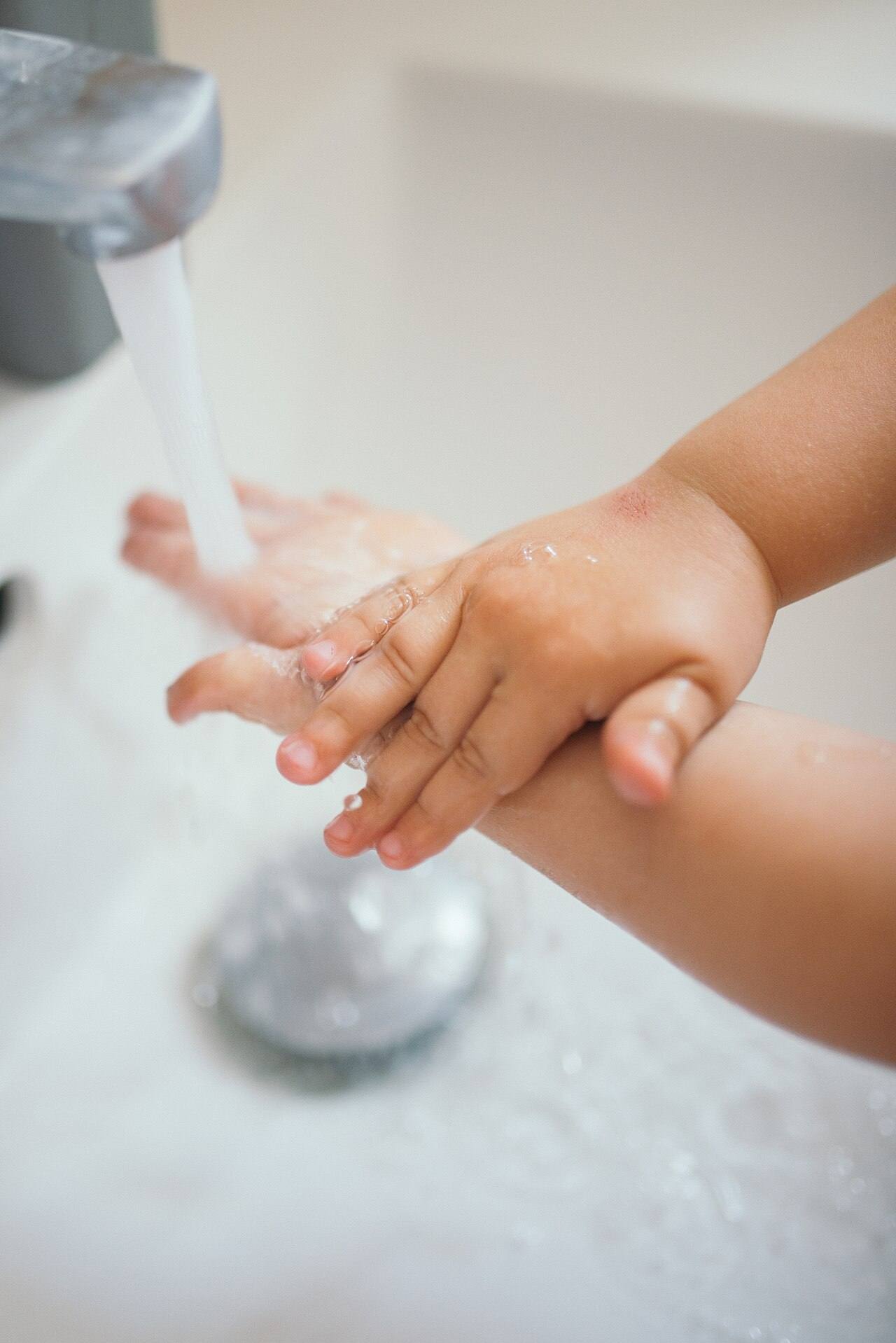
- Wash Hands Thoroughly: Always wash your hands with soap and water before preparing or eating food. This is one of the simplest and most effective ways to prevent the spread of germs.
- Rinse Fresh Produce: Even if you plan to peel fruits and vegetables, it's important to rinse them under running water to remove any potential contaminants.
- Cook Food Properly: Ensure food, especially meats, are cooked to the recommended temperatures to kill harmful organisms. Using a food thermometer can help ensure safety.
- Avoid Cross-Contamination: Use separate cutting boards for raw meats and fresh produce. Wash surfaces and utensils after contact with raw foods.
- Stay Informed: Be aware of any food recalls or safety warnings related to outbreaks. For example, as noted in The Guardian, the Centers for Disease Control and Prevention (CDC) is actively monitoring the food supply chain for sources of cyclospora.
Creating a Healthy Home Environment
Beyond individual food practices, maintaining a clean and organized kitchen can significantly contribute to your family's health. Regularly check your pantry and refrigerator for expired items, and practice good sanitation habits. It can also be beneficial to educate everyone in the family about proper food handling and hygiene.
Lastly, staying hydrated is crucial during the summer months, particularly if someone in your household is experiencing gastrointestinal symptoms. Make sure your family drinks plenty of clean, safe water to stay healthy.
Conclusion
By taking these practical steps to prevent cyclospora infection, you can create a healthier home environment for your family. With awareness and preparation, you can minimize the risk of foodborne illnesses. Remember that maintaining good hygiene and safe food practices is key to protecting your loved ones from potential health risks associated with contaminated food. Stay informed, stay safe, and enjoy the summer months with confidence.