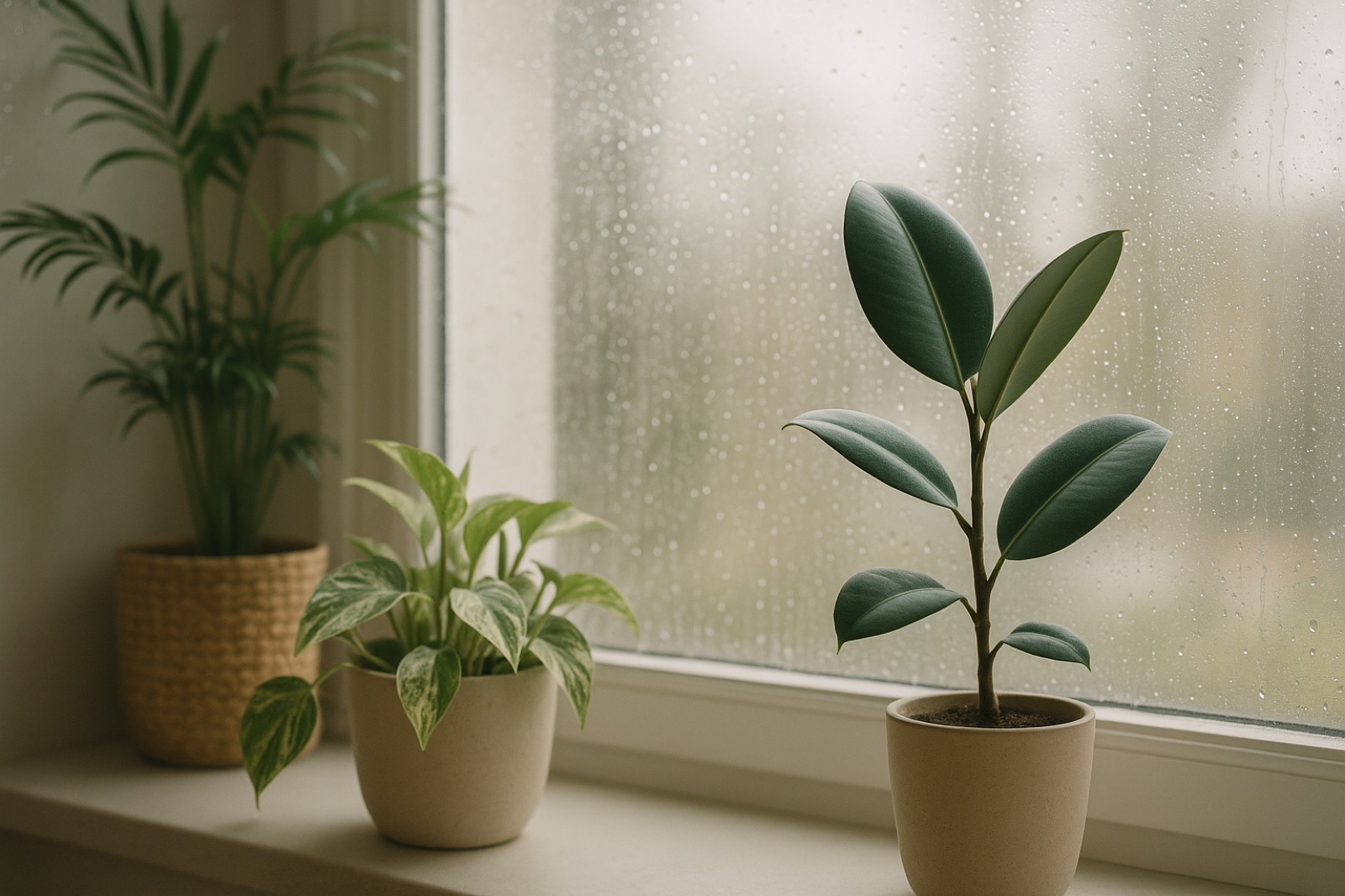
In recent years, public health discussions have increasingly focused on the quality of air we breathe indoors. This topic is more relevant than ever, especially as many families are spending more time at home. Clean air is essential for maintaining health and comfort, making it crucial to understand how to improve indoor air quality.
What is Indoor Air Quality?
Indoor air quality refers to the condition of the air within your home. It is influenced by a variety of factors, including outdoor air pollution, indoor sources of contaminants like mold and household chemicals, and ventilation practices. Poor indoor air quality can lead to health issues, especially for vulnerable populations such as children, the elderly, and those with pre-existing health conditions.
Common Indoor Air Pollutants
Some of the most common indoor air pollutants include:
- Volatile Organic Compounds (VOCs): These are chemicals found in many household products, such as paints, cleaners, and air fresheners. When these products are used, they can release VOCs into the air, affecting air quality.
- Particulate Matter: This includes dust, pollen, and pet dander. These tiny particles can become airborne and can be inhaled, leading to respiratory issues.
- Mold: Mold can grow in damp areas of the home, releasing spores into the air. This can trigger allergic reactions and respiratory problems.
- Carbon Monoxide: This colorless, odorless gas can be emitted from malfunctioning fuel-burning appliances, posing a serious health risk.
Steps to Improve Indoor Air Quality
Here are practical steps you can take to enhance the air quality in your home:
- Ventilate: Ensure your home is well-ventilated. Open windows when weather permits, use exhaust fans in kitchens and bathrooms, and consider an air exchange system if needed.
- Regular Cleaning: Dust and vacuum regularly to reduce particulate matter. Use a vacuum equipped with a HEPA filter for better results.
- Mold Prevention: Address any moisture issues promptly to prevent mold growth. Fix leaks, use dehumidifiers in damp areas, and ensure proper drainage around the foundation of your home.
- Choose Low-VOC Products: Select paint, cleaning supplies, and other household products labeled as low-VOC to minimize the release of harmful chemicals into the air.
- Air Purifiers: Consider using air purifiers with HEPA filters to capture airborne particles and improve overall air quality.
Staying Informed and Prepared
In light of recent reports concerning health issues globally, such as the increasing spread of diseases like Ebola in regions like eastern Congo, it is imperative that we remain aware of our health environment and take proactive measures at home. According to a report from NPR, the outbreak is spreading faster than health officials can track, highlighting the importance of maintaining a safe and clean environment at home.
By prioritizing clean air in your home, you contribute to the overall health and well-being of your family. Simple steps such as improving ventilation, reducing pollutants, and maintaining cleanliness can make a significant difference. Remember, maintaining a healthy home is an ongoing process that requires attention and effort, but it is well worth the investment.
Ultimately, clean air contributes not only to physical health but also to mental well-being, creating a space where families can thrive. As we continue to navigate our environments, let us remain focused on creating healthier spaces for ourselves and our loved ones.