Air quality is a crucial aspect of our home environment that can significantly impact our health and well-being. With increasing evidence linking air quality to various health issues, it is essential for families to understand how to monitor and improve the air they breathe at home.
The Importance of Indoor Air Quality
Indoor air quality can often be much poorer than outdoor air quality due to a variety of factors, including the presence of pollutants, allergens, and the lack of ventilation. Common indoor pollutants include dust, mold spores, pet dander, and volatile organic compounds (VOCs) that can emanate from household products. Poor air quality can lead to a range of health issues, including respiratory problems, allergies, and even long-term effects on overall well-being.
Recent Health Alerts and Their Implications
Currently, there is heightened awareness around health issues linked to various environmental factors. For instance, reports from the CDC indicate a surge in intestinal illnesses such as cyclosporiasis, with more than 1,600 cases confirmed in the U.S. This situation underscores the importance of clean and safe living environments, as various pathogens can thrive in unsanitary conditions. While the focus in this instance is on food safety, it serves as a reminder of how interconnected our health is with our surroundings and the air we breathe.
How to Monitor and Improve Air Quality
To enhance indoor air quality, families can take several practical steps:
- Regular Cleaning: Frequent dusting and vacuuming can help reduce allergens. Consider using a vacuum with a HEPA filter to trap small particles.
- Ventilation: Ensure proper ventilation by opening windows when outdoor air quality is good, or using exhaust fans in kitchens and bathrooms to remove excess moisture and pollutants.
- Air Purifiers: Investing in air purifiers equipped with HEPA filters can significantly reduce airborne particles. Look for models that are appropriate for your home size.
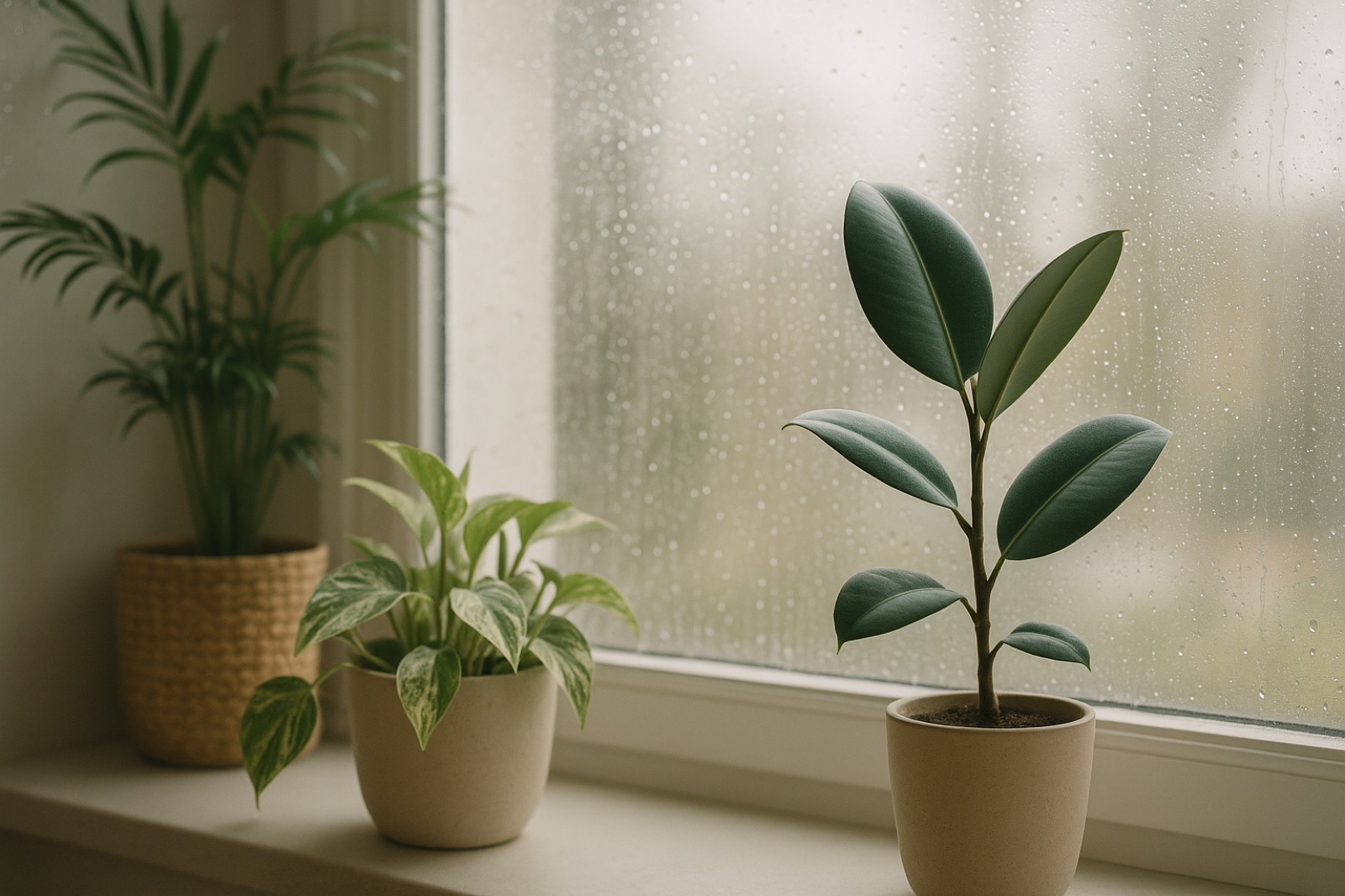
- Houseplants: Certain houseplants can help improve air quality by absorbing toxins and increasing humidity, which can benefit respiratory health.
- Regular Maintenance: Maintain HVAC systems and replace filters as needed to ensure your heating and cooling systems are not circulating dust and allergens.
Staying Informed and Prepared
Being aware of the sources of air pollution and taking proactive measures to improve indoor air quality is crucial for maintaining a healthy home. As highlighted by health discussions around the CDC's challenges with workforce shortages and political review processes, it is essential for families to be proactive in safeguarding their own health. Following the guidance from health authorities can empower families to create a healthier living environment.
In conclusion, understanding the importance of air quality in our homes is vital for protecting family health. By implementing simple strategies for monitoring and improving indoor air quality, families can foster a healthier and more comfortable living environment for everyone.