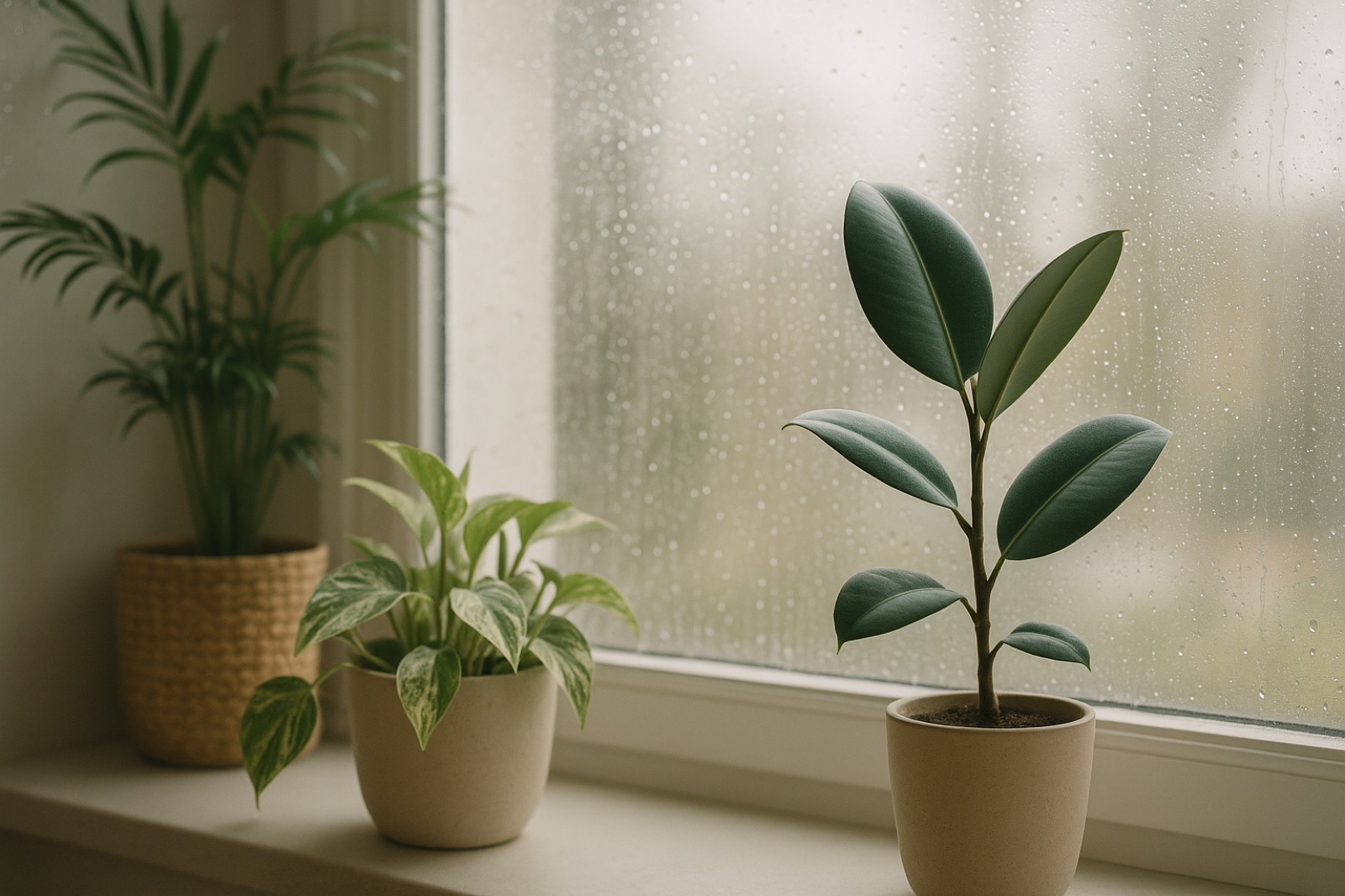
As families spend more time at home, understanding the quality of the air they breathe becomes increasingly important. Poor indoor air quality can lead to a range of health issues, from respiratory problems to general discomfort. Fortunately, there are straightforward steps you can take to enhance the air quality in your home.
What Affects Indoor Air Quality?
Several factors contribute to indoor air quality, including the presence of allergens, pollutants, and humidity levels. Common sources of indoor air pollutants include tobacco smoke, pet dander, mold, dust mites, and volatile organic compounds (VOCs) released from household products like paints and cleaners. Additionally, outdoor air pollution can seep into homes, impacting overall air quality.
Health Implications of Poor Air Quality
According to the World Health Organization, indoor air pollution can cause significant health issues, particularly for vulnerable populations such as children and the elderly. Symptoms of poor air quality may include headaches, fatigue, respiratory issues, and exacerbated allergies. Therefore, maintaining good air quality in the home is essential for everyone’s well-being.
Practical Steps to Improve Indoor Air Quality
Improving the air quality in your home can be achieved through various practical methods:
- Ventilation: Ensure that your home is well-ventilated. Open windows when weather permits to allow fresh air in and stagnant air out. Consider using exhaust fans in kitchens and bathrooms to remove moisture and contaminants.
- Air Purifiers: Investing in a high-quality air purifier can help reduce airborne particles and pollutants. Look for models with HEPA filters to effectively capture small particles.
- Humidity Control: Keeping indoor humidity levels between 30-50% can help prevent the growth of mold and dust mites. Use dehumidifiers in damp areas of the home and ensure that bathrooms and kitchens are adequately ventilated.
- Regular Cleaning: Frequent cleaning can help reduce dust, pet dander, and other allergens. Regularly vacuum carpets and upholstery with a vacuum cleaner that has a HEPA filter, and wash bedding and curtains often.
- Choose Low-VOC Products: When purchasing household items, opt for products labeled as low in VOCs. This can include paints, cleaning supplies, and building materials.
Monitoring Indoor Air Quality
To effectively manage your home's air quality, consider using an indoor air quality monitor. These devices can provide real-time information about pollutants and humidity levels, allowing you to make informed decisions about ventilation and cleaning.
Staying Informed and Engaged
As you work to improve your home's air quality, staying informed about broader issues can also be beneficial. For instance, reports indicate that certain health crises can affect air quality indirectly. For example, the recent increase in health concerns due to outbreaks like Ebola in eastern Congo demonstrates that public health events can sometimes relate back to air quality and health systems. As mentioned in NPR, it highlights the importance of being aware of health trends and how they can impact various aspects of our lives.
In conclusion, ensuring good indoor air quality is an essential part of maintaining a healthy home environment. With simple, actionable steps, you can create a safer and more comfortable space for you and your family. Taking these measures seriously will support not only immediate comfort but also long-term health and well-being.