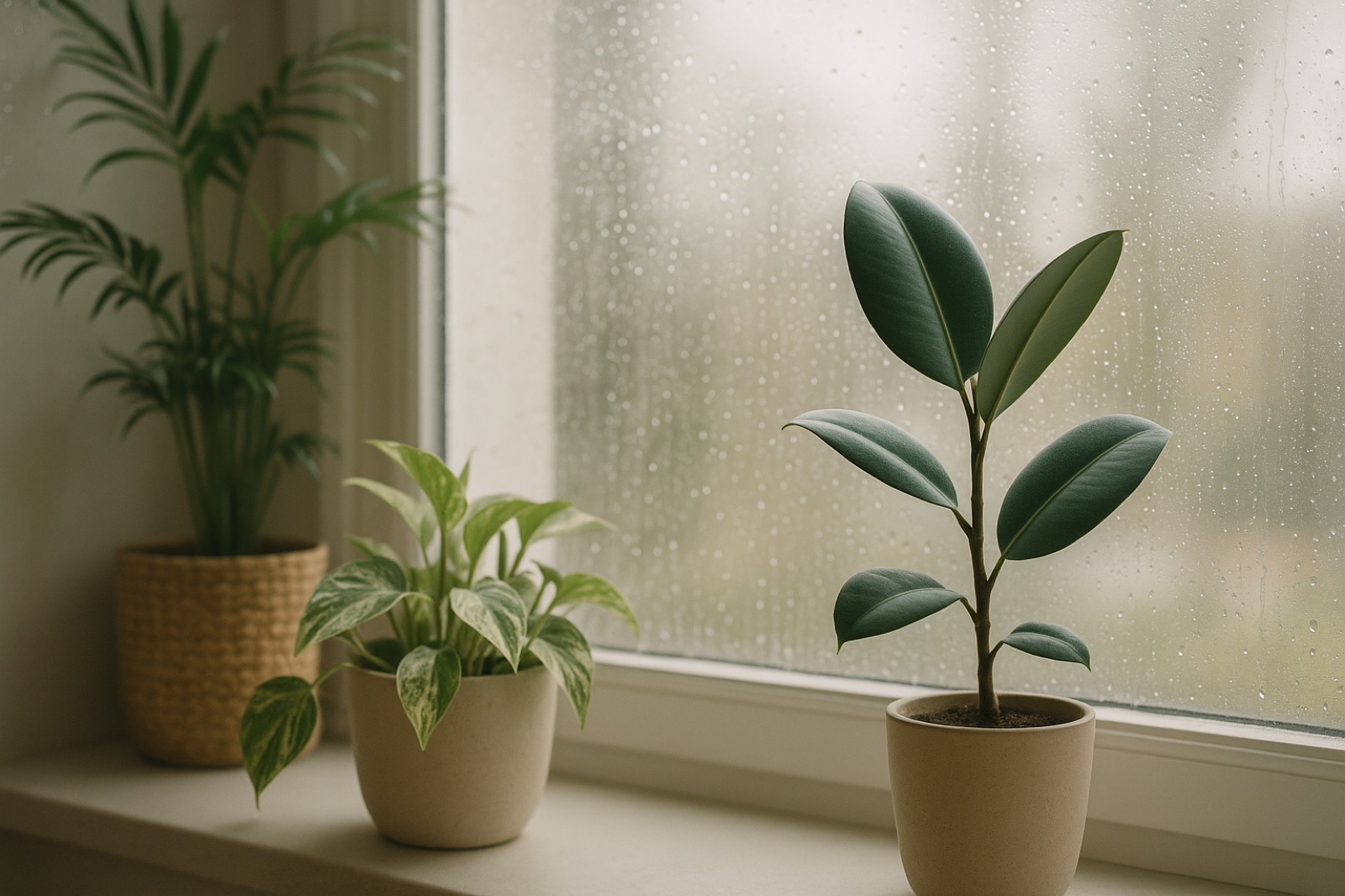
As we continue to learn more about the effects of our home environment on our health, the importance of indoor air quality becomes increasingly evident. Poor air quality can contribute to various health issues, ranging from respiratory problems to fatigue and allergies. With all the recent discussions around health policies and public health initiatives, maintaining a healthy home environment should be a priority for everyone.
Why Indoor Air Quality Matters
Indoor air quality (IAQ) refers to the condition of the air within and around buildings, particularly as it relates to the health and comfort of the occupants. According to the Environmental Protection Agency (EPA), indoor air can be two to five times more polluted than outdoor air. This is particularly concerning as many people spend a significant amount of time indoors.
Factors such as mold, moisture, volatile organic compounds (VOCs), and particulate matter can all compromise air quality. Understanding how to monitor and improve your home's air quality can have a direct positive impact on your family's health.
Testing Indoor Air Quality
Testing for indoor air quality can be done in various ways, from DIY kits to professional assessments. Homeowners can start by purchasing an air quality monitor, which can track levels of CO2, particulate matter, VOCs, humidity, and temperature. These devices can provide real-time feedback on your home's air quality and help identify any issues that need addressing.
If you notice consistent issues, such as persistent odors or respiratory discomfort, it may be worthwhile to consult a professional. They can conduct a more comprehensive evaluation to determine specific pollutants and recommend solutions.
Practical Steps to Improve Air Quality
Once you've tested your air quality and identified potential issues, there are several practical steps you can take to enhance the air in your home:
- Increase Ventilation: Open windows and use exhaust fans to promote airflow and reduce indoor pollutants.
- Control Humidity: Use dehumidifiers in damp areas, like basements, to prevent mold growth and maintain humidity levels between 30% and 50%.
- Utilize Air Purifiers: HEPA air purifiers can effectively reduce airborne particles, including allergens and some pathogens.
- Regular Maintenance: Change air filters in your HVAC system regularly and ensure that your home is free from mold and water damage.
- Choose Low-VOC Products: When painting or renovating, opt for low-VOC or no-VOC products to minimize harmful emissions.
Staying Informed
Recent discussions in the health community highlight that 93% of cancer researchers who study disparities say funding changes have disrupted their work. This has implications for public health initiatives, including air quality research (NPR). As funding fluctuates, it's essential to stay informed about how these changes may affect the availability of resources for monitoring and improving air quality.
Additionally, as we look toward future health policies, effective air quality management should be part of any public health discussion. Individuals can take charge of their home's air quality by adopting measures that mitigate risks and promote wellness.
In conclusion, ensuring good indoor air quality is a manageable yet critical aspect of maintaining a healthy home environment. By testing your air quality and taking actionable steps, you can create a healthier living space for yourself and your family. For more specific guidance on improving your home, consider consulting experts like Keys Roofing, who can assist with home maintenance and improvements that affect indoor air quality.