As summer approaches, extreme heat can become a significant concern for many households. With temperatures rising, especially in areas that typically experience high heat, it is essential to find ways to stay cool and comfortable. Recent discussions, such as those highlighted by NPR, emphasize the need for effective strategies to manage heat, especially for those without air conditioning. According to a recent article on NPR, researchers offer various suggestions on how to cope with extreme temperatures when air conditioning is not available.
Understanding the Impact of Heat
High temperatures can affect not only your comfort but also your health. Prolonged exposure to extreme heat can lead to heat-related illnesses, particularly for vulnerable populations such as the elderly, young children, and individuals with certain health conditions. It is crucial to take proactive measures to minimize the impact of heat within your home.
Practical Cooling Strategies
Here are some practical tips for keeping your home cool without relying on air conditioning:
- Use Fans Wisely: Ceiling fans and portable fans can help circulate air. Make sure fans are set to rotate counterclockwise in the summer to create a wind-chill effect. If it's cooler outside during the night, consider using fans to draw in that air.
- Close Blinds and Curtains: Keeping blinds and curtains closed during the hottest parts of the day can help block direct sunlight and reduce indoor temperatures. Blackout curtains can be especially effective in keeping heat at bay.
- Limit Heat-Generating Activities: Cooking, using a dryer, and running appliances can generate additional heat. Try to limit these activities during peak heat hours, opting for no-cook meals and air drying clothes when possible.
- Stay Hydrated: Even if your home remains cool, it is crucial to stay hydrated. Encourage family members to drink plenty of water throughout the day to help regulate body temperature.
- Utilize Natural Ventilation: Open windows during cooler times of the day, such as early morning and late evening, to allow fresh air to circulate. Cross-ventilation can also be effective; open windows on opposite sides of the house to create a breeze.
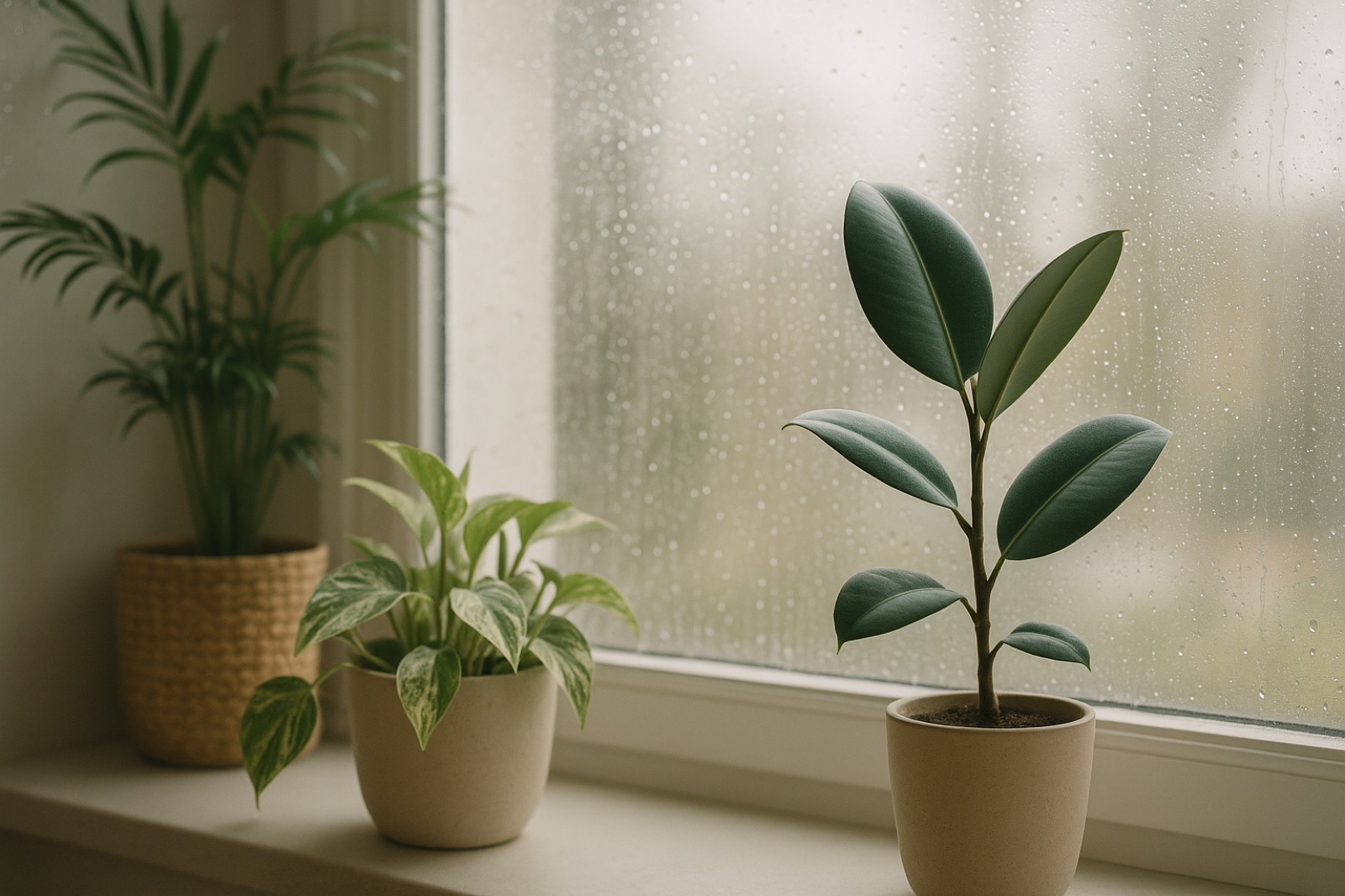
- Incorporate Indoor Plants: Certain indoor plants can help improve air quality and bring a sense of calm to your home. They can also contribute to a cooler environment through transpiration, where plants release moisture into the air.
Creating a Cooling Zone
If possible, designate a cool zone in your home where family members can gather during extreme heat events. This could be a basement or a room with fewer windows that remains cooler throughout the day. It can be equipped with fans, comfortable seating, and hydration options to ensure it serves as a relaxing retreat.
Community Resources
During extreme heat events, community resources can be invaluable. Some local governments and organizations offer cooling centers where residents can go to escape the heat. Check with local health departments or community centers for available resources in your area. As noted in the NPR article, people living without air conditioning should consider community options to help manage extreme heat.
Staying informed and prepared can make a significant difference during the heat of summer. By implementing these practical strategies, you can create a more comfortable living environment for you and your family. Remember to prioritize safety and health in the face of rising temperatures.
For more insights on staying cool this summer, take a look at the NPR article titled "How to keep cool in this year's extreme summer heat even without air conditioning" by Gulrez Shah Azhar at this link.