This summer has brought extreme heat conditions, prompting many to rethink their home cooling strategies. With temperatures soaring and some families lacking air conditioning, exploring practical options for staying cool is essential. Recent discussions on this topic, including insights from researchers, can guide you in creating a more comfortable home environment without relying solely on mechanical cooling.
Understanding the Challenge
As highlighted by NPR, extreme heat can pose significant health risks. For those without air conditioning, the challenge becomes even more pronounced. However, there are various practical strategies to help manage indoor temperatures and maintain comfort.
Maximizing Natural Ventilation
One effective method for cooling your home is to maximize natural ventilation. Opening windows during cooler parts of the day, such as early morning or late evening, can create a cross-breeze that helps lower indoor temperatures. Use fans strategically to enhance airflow. Positioning box or oscillating fans near windows can help draw in cooler air and push out warmer air.
Utilizing Shades and Curtains
Light-colored shades or curtains can also play a significant role in keeping your home cool. Keeping them closed during the hottest parts of the day prevents sunlight from heating your living spaces. Consider thermal curtains, which are designed to reduce heat transfer, or reflective window films that can block a significant amount of solar heat.
Adapting Your Daily Schedule
Adjusting your daily activities can further help in managing heat. Try to limit strenuous tasks to the cooler parts of the day. If you need to cook, consider using a microwave or preparing cold meals to avoid generating additional heat from your stove or oven.
Staying Hydrated
Hydration is crucial during periods of extreme heat. Keep a pitcher of cool water in the refrigerator and encourage family members to drink regularly. Eating light, refreshing foods like fruits and vegetables not only hydrates but also helps maintain energy levels without the added heat of heavy cooking.
Incorporating Indoor Plants
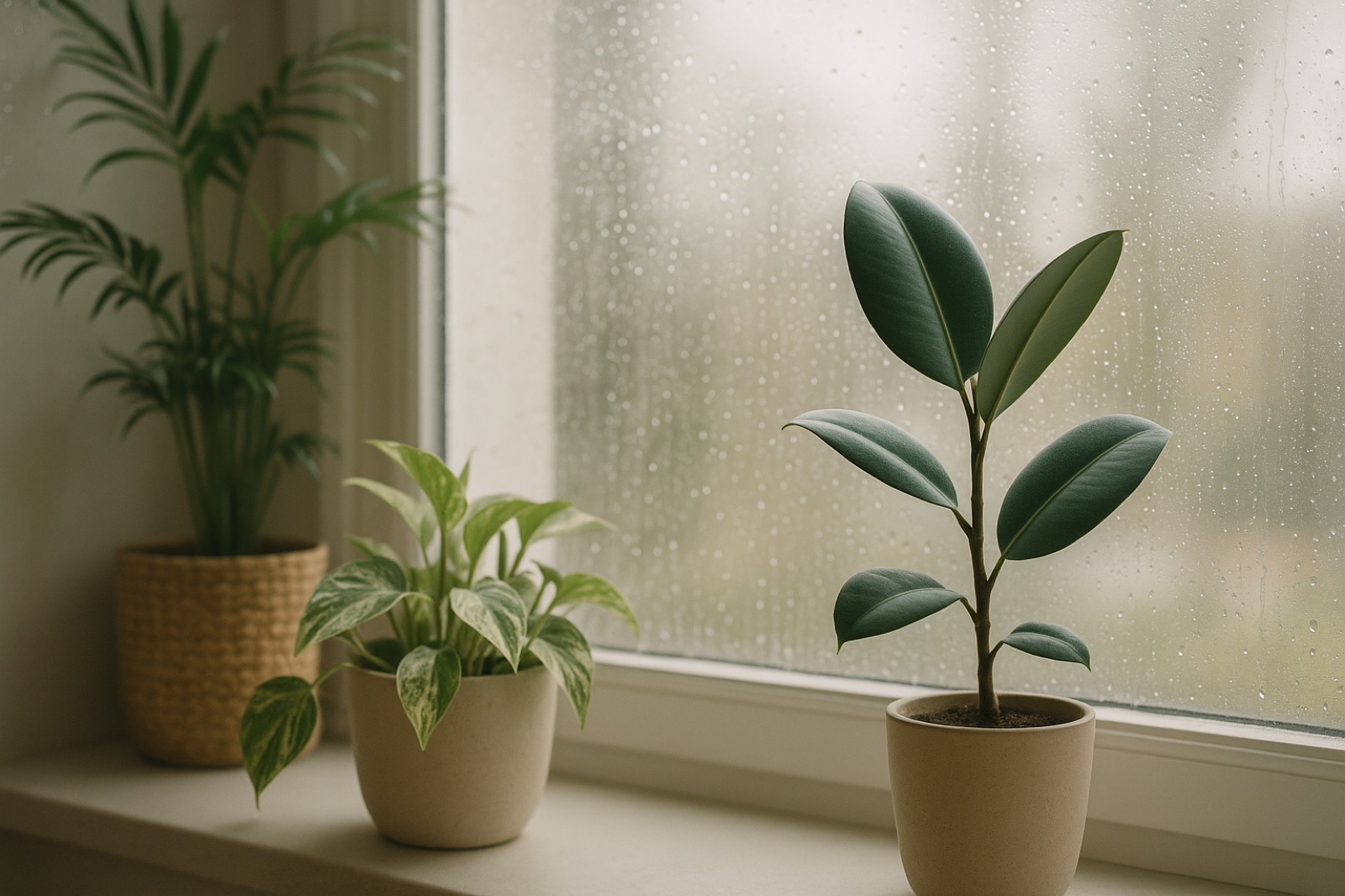
Indoor plants can contribute to a more comfortable environment. They not only improve air quality but also help regulate humidity levels. Species such as peace lilies or spider plants can thrive indoors and contribute to a sense of calm while providing slight cooling effects through transpiration.
Listening to Expert Advice
Experts recommend several additional strategies to cope with extreme heat. For example, as noted in the recent NPR article, "How to keep cool in this year's extreme summer heat even without air conditioning", there are numerous techniques that can help mitigate discomfort without relying on air conditioning. These insights can empower families to take proactive steps in managing their home environment.
Conclusion
As temperatures continue to rise, being equipped with effective cooling strategies can significantly enhance comfort and safety at home. By maximizing natural ventilation, using shades effectively, adapting daily schedules, staying hydrated, incorporating plants, and following expert advice, families can navigate extreme heat without relying solely on air conditioning. These practical approaches create a more pleasant and health-conscious living environment, allowing you and your family to thrive even during the hottest days of summer.