A large urban farm or eco-park can reshape how a community uses outdoor space. But the underlying idea also works at household scale: make nearby nature easier to reach, give people a reason to return, and remove practical obstacles.
On September 18, 2026, The Guardian reported on Northern Roots, a 65-hectare urban farm and eco-park in Greater Manchester intended to support health and wellbeing. The site had previously held cotton mills, coalmines, and an industrial railway. The Guardian story about the Northern Roots project shows how land with an industrial past can become a place for food, art, nature, and community life.
Most families cannot create an eco-park, of course. They can still borrow one useful principle from the project: outdoor wellbeing depends partly on design. A pleasant space helps, but access, seating, shade, timing, and a clear purpose often determine whether anyone actually uses it.
Begin with the easiest outdoor destination
Your destination does not have to be scenic. It might be a porch, apartment courtyard, bench near the mailbox, quiet sidewalk, community garden, or patch of shade at the end of the block. The best starting place is usually the one household members can reach without complicated planning.
Walk the route once with the person who will use it. Notice uneven pavement, steep steps, loose gravel, poor lighting, traffic, unleashed dogs, and places where water collects. Look for a resting point and check whether the route feels comfortable at the time of day you are likely to go.
This is especially helpful when planning for a young child, an older adult, or anyone whose energy and mobility vary. A shorter route used regularly may be more valuable than an ambitious outing that rarely happens.
Give the outing a simple purpose
“Spend more time outside” is easy to postpone. A small, specific activity is easier to repeat. Water two containers. Look for three kinds of leaves. Drink morning coffee on the step. Walk to a bench after lunch. Call a relative from the courtyard.
The activity does not need to be strenuous. Outdoor time can create an occasion for gentle movement, a change of scenery, or social contact. It may also help establish a daily rhythm. These are practical wellness supports, not treatments, and no single outdoor routine needs to accomplish everything.
Make comfort part of the plan
Before leaving, check the weather and current air conditions. Heat, cold, storms, pollen, and smoke can change whether an outing is sensible. Choose shade when it is warm, bring water when appropriate, and avoid the hottest part of the day. On poor-air days, move the routine indoors near a window rather than treating outdoor time as an obligation.
At home, keep frequently used items together. A small basket near the door might hold sunscreen, hats, insect repellent, tissues, and a water bottle. Follow product directions, and keep anything hazardous out of children’s reach. A stable chair near the entrance can make shoes and outerwear easier to manage.
Plan for the person, not an ideal schedule
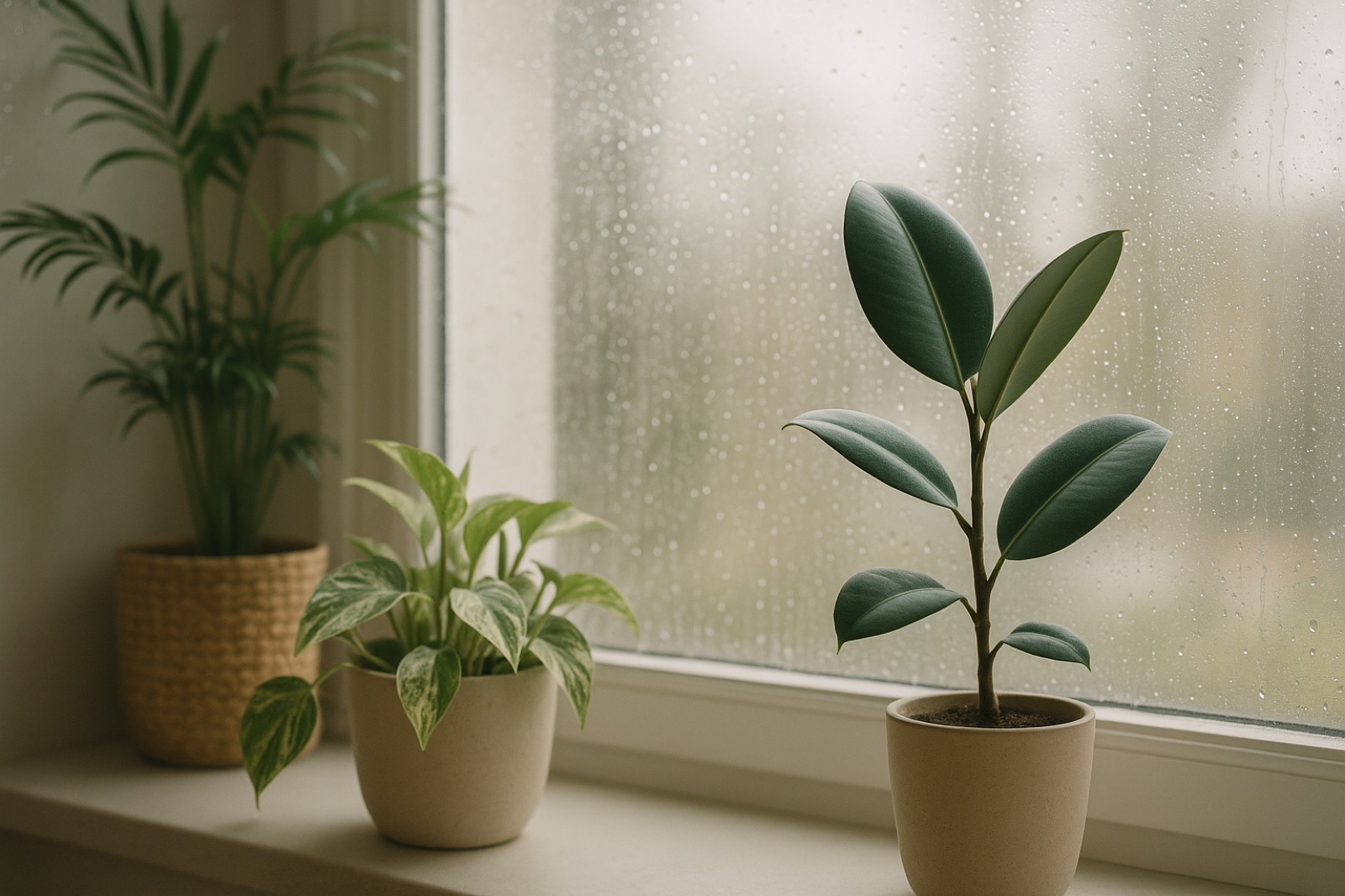
A routine should bend when someone is tired, uncomfortable, or unsteady. Create three versions: a regular outing, a short option, and an indoor substitute. For example, the regular plan could be a walk around the block, the short option could be five minutes on the porch, and the indoor option could be tending plants beside a bright window.
If an older relative needs assistance, decide who will help with the doorway, steps, mobility equipment, or return trip. Families already coordinating in-home companion and personal care in St. Louis may also want to discuss whether a brief outdoor activity fits naturally into the person’s established routine and care plan.
Improve one small thing at a time
After a week, ask what got in the way. The answer may be a missing chair, a heavy door, glare, insects, or simply poor timing. Fixing one point of friction can matter more than buying new equipment or setting a bigger goal.
The lesson from a major community green space is not that every household needs something grand. It is that environments influence habits. A safe route, a comfortable stopping place, and a modest reason to step outside can turn nearby space into part of everyday family life.