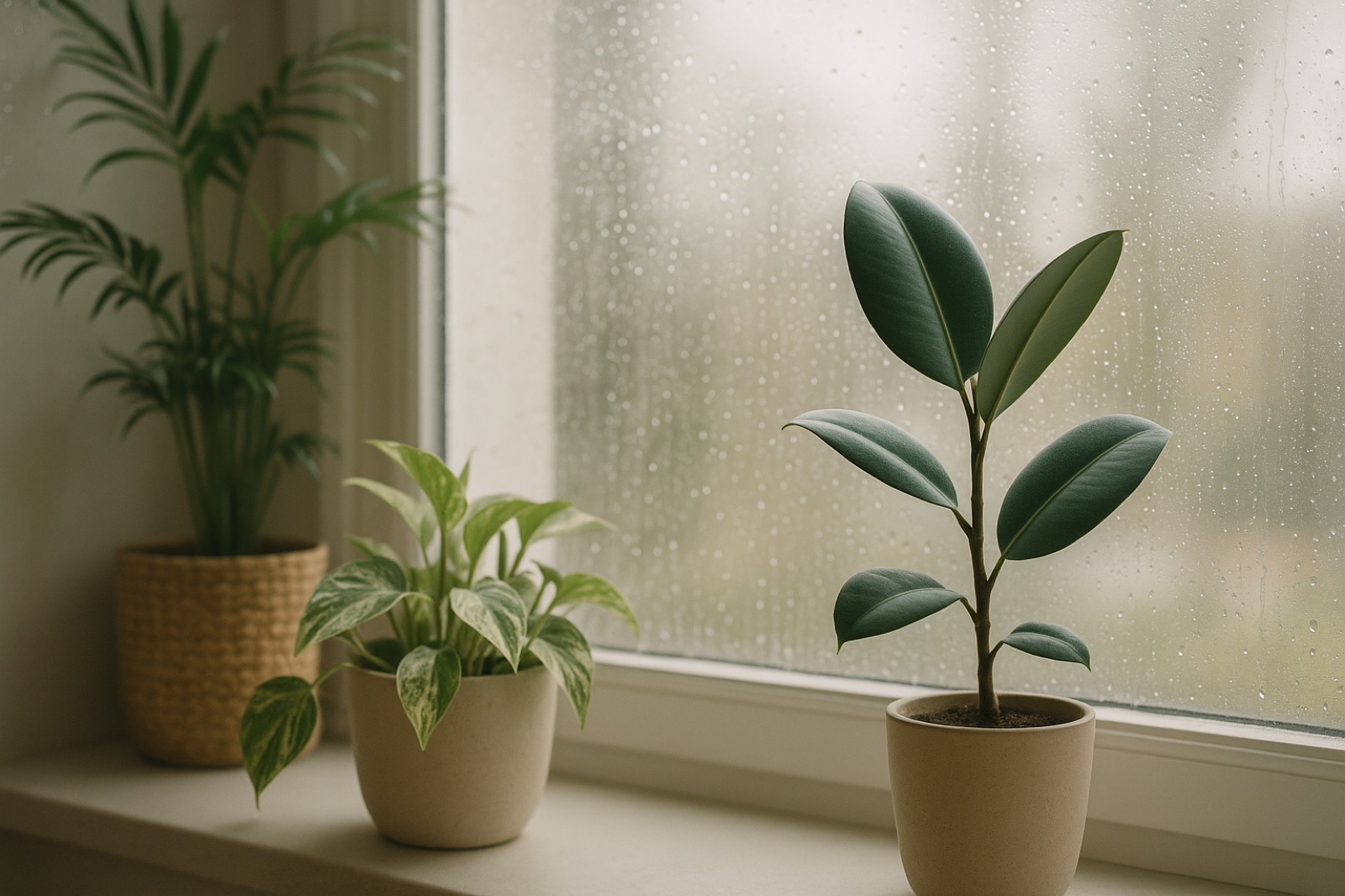
Indoor air quality is crucial for maintaining the health of your family. Many people might not realize that the air inside our homes can often be more polluted than outside air. This pollution can come from a variety of sources, including cleaning products, building materials, and even furniture. As recent discussions around health disparities and food-related diseases unfold, the connection between our home environment and overall health is more important than ever.
Understanding Indoor Pollutants
Indoor air pollutants can include volatile organic compounds (VOCs), particulate matter, mold spores, and allergens. These substances may contribute to respiratory issues, allergies, and other health problems. Reducing exposure to these pollutants can have significant health benefits. For instance, a recent article in The Guardian highlights that certain lifestyle changes can prevent serious health issues, emphasizing that health is multifaceted and influenced by various factors including diet and environment.
Simple Steps to Improve Indoor Air Quality
Here are practical steps you can take to improve your home’s air quality:
- Ventilation: Ensure your home is well-ventilated. Open windows when weather permits to let fresh air circulate. Using exhaust fans in kitchens and bathrooms can also help remove moisture and pollutants.
- Air Purifiers: Consider using air purifiers with HEPA filters. These can capture a variety of airborne particles, including dust, pollen, and even some chemicals.
- Choose Low-VOC Products: When purchasing paints, cleaning supplies, and other household products, look for those labeled as low-VOC. These products emit fewer harmful chemicals into the air.
- Regular Cleaning: Dust and vacuum your home regularly using a vacuum equipped with a HEPA filter. This will help reduce allergens and dust that can accumulate in your living space.
- Monitor Humidity Levels: Keep indoor humidity levels between 30-50% to prevent mold growth. Use a dehumidifier if necessary, especially in damp areas like basements.
The Larger Context of Health Research
Challenges in health research funding can also impact public health initiatives. For example, according to a recent report by NPR, 93% of cancer researchers studying disparities indicated that changes in federal funding have disrupted their work. This disruption can hinder progress in understanding the links between various health issues and their environmental contexts, including how indoor air quality affects well-being.
Conclusion
Improving your home’s air quality is a vital step towards better health for your family. By taking proactive measures to reduce indoor pollutants, you can create a healthier living environment. Keep in mind that every small action counts. Balancing indoor air quality with other aspects of health, such as nutrition and physical activity, contributes to a holistic approach to wellness.