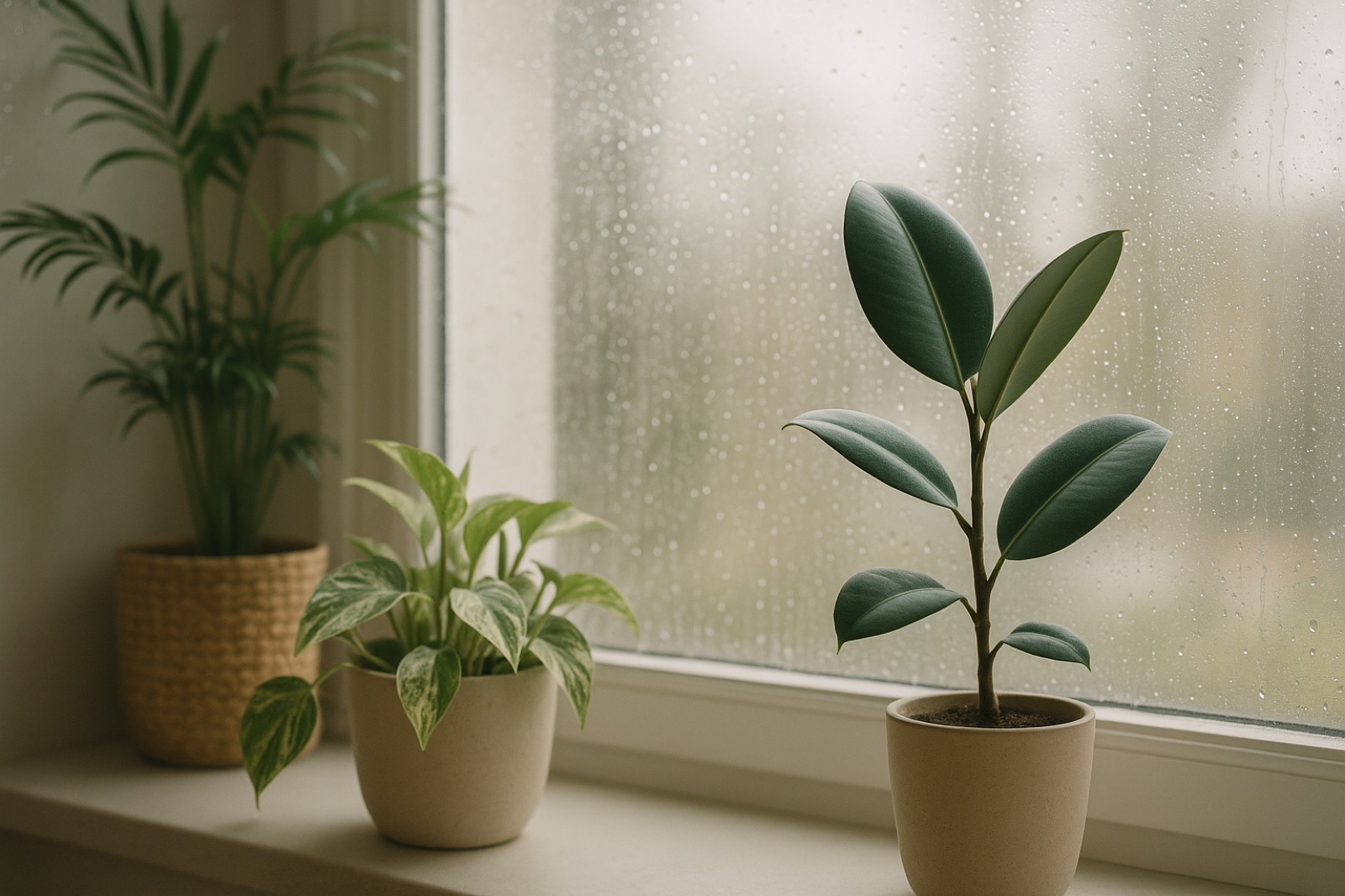
Creating a healthy home environment is essential for promoting family well-being. One crucial aspect often overlooked is the presence of household toxins, which can impact our health over time. By understanding these risks and taking actionable steps, families can create a safer living space.
Understanding Household Toxins
Household toxins can be found in various forms, including chemicals in cleaning products, pesticides, and even certain furniture and building materials. It is important to note that many of these chemicals are not immediately harmful but can accumulate over time, leading to potential health issues.
For instance, a recent report highlighted the importance of addressing dietary factors in public health, indicating that reducing ultra-processed foods could prevent thousands of heart disease deaths. While this focuses on nutrition, it underscores the broader message that what we expose ourselves to - whether through food or environment - can have significant health implications. Researchers noted that these factors could be “substantial and potentially preventable” contributors to health issues (The Guardian).
Practical Steps to Reduce Toxins
Here are several practical strategies to help minimize exposure to household toxins:
- Choose Natural Cleaning Products: Opt for cleaning products that are labeled as non-toxic or made from natural ingredients. You can also make your own cleaners using vinegar, baking soda, and essential oils.
- Avoid Synthetic Fragrances: Many air fresheners and scented candles contain chemicals that can irritate the respiratory system. Consider using essential oils or simply opening windows to improve indoor air quality.
- Be Cautious with Paints and Finishes: If you're renovating or redecorating, choose low-VOC (volatile organic compounds) paints and finishes to reduce harmful emissions.
- Invest in Air Quality Monitors: Devices that monitor indoor air quality can help you understand the levels of pollutants in your home and take steps to improve them.
- Proper Ventilation: Ensure your home is well-ventilated to help reduce indoor air pollutants. Regularly open windows and use exhaust fans in kitchens and bathrooms.
Stay Informed and Proactive
Staying informed about recent developments in public health can also guide your family's wellness choices. For example, recent discussions about changes in cancer research funding have raised concerns about how these shifts may affect ongoing studies into health disparities. Such disparities often relate to environmental influences on health, highlighting the importance of understanding how our surroundings can impact our well-being (NPR).
As families become more aware of potential risks, they can make informed choices about the products they use and the environment they create. By taking these steps, you can significantly reduce your household's exposure to harmful toxins.
Conclusion
Creating a healthy home does not have to be overwhelming. By focusing on reducing household toxins and staying informed about public health research, families can take control of their indoor environments. Simple changes, such as using natural cleaning products and improving ventilation, can lead to a healthier living space for everyone. For those considering larger projects like roofing or renovations, consulting experts in safe materials can also contribute to a healthier home environment. Visit Keys Roofing for more information on safe building practices.