When it comes to creating a healthy home environment, the quality of the air we breathe plays a crucial role. Poor indoor air quality can lead to various health issues, including respiratory problems, allergies, and overall discomfort. Fortunately, there are several practical steps you can take to enhance the air quality in your home, making it a safer and more pleasant place for your family.
Understanding Indoor Air Pollutants
Indoor air can be contaminated by various pollutants. Common sources include household cleaning products, mold, dust, pet dander, and allergens. According to the EPA, indoor air can be two to five times more polluted than outdoor air, which is a significant concern for families, especially those with children or individuals with respiratory issues.
Improving Ventilation
One of the simplest and most effective methods to improve indoor air quality is increasing ventilation. This can be achieved by opening windows and doors whenever possible to allow fresh air to circulate. If outdoor air quality is poor, using exhaust fans in kitchens and bathrooms can help reduce humidity and remove contaminants.
Using Air Purifiers
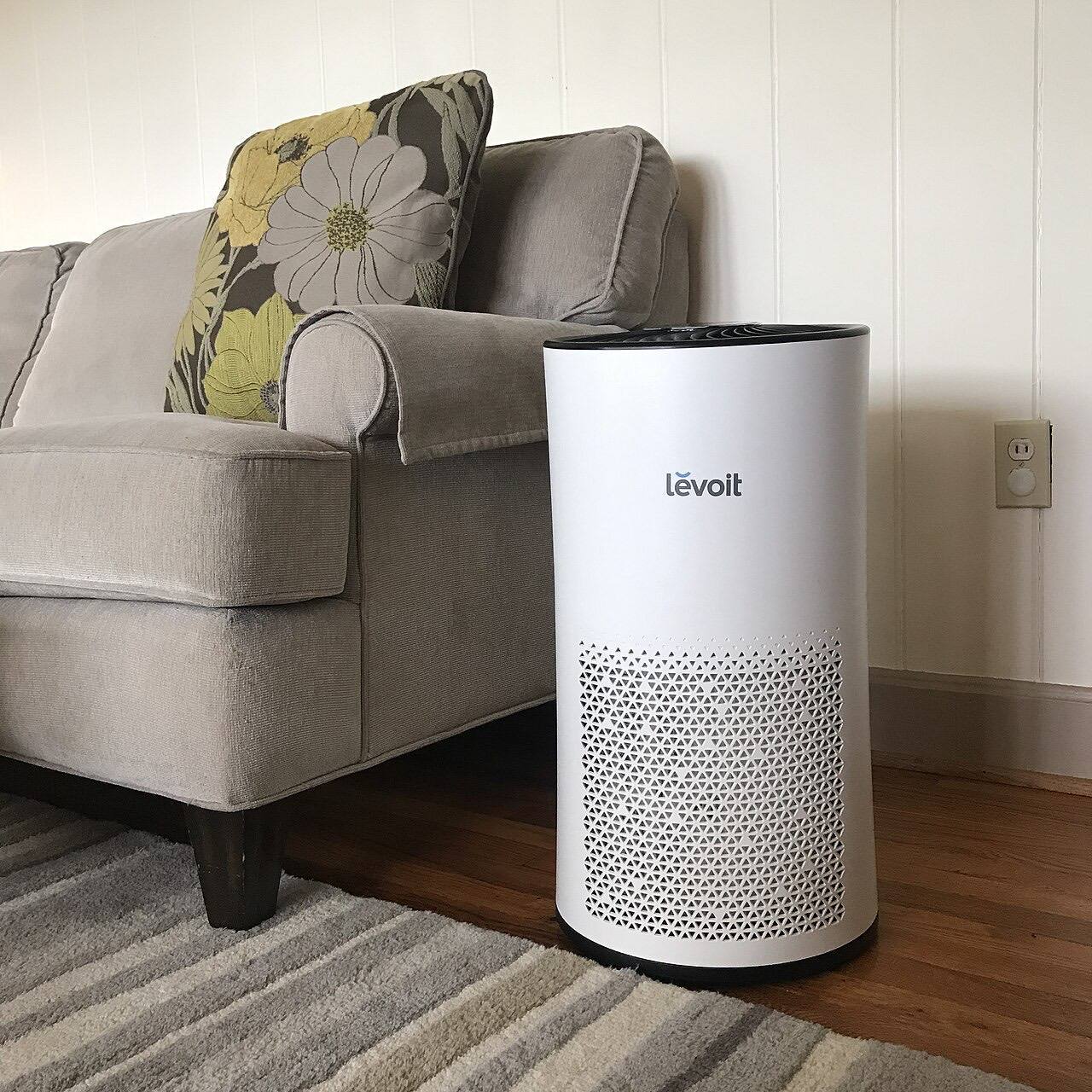
Air purifiers can be beneficial in reducing airborne pollutants. Look for units equipped with HEPA filters, which can capture small particles such as dust and pollen. A study highlighted by Dr. Zeke Emanuel discussed a back-to-basics approach to optimizing health, emphasizing the importance of clean air and its impact on overall wellness. Investing in a quality air purifier can be a wise choice for those concerned about allergens or pollutants in their home.
Regular Cleaning Practices
Keeping your home clean can significantly impact air quality. Regular vacuuming with a HEPA-filter vacuum cleaner and dusting surfaces can help minimize dust and dander. Additionally, washing bedding and curtains regularly can reduce the accumulation of allergens.
Controlling Humidity
Maintaining appropriate humidity levels in your home is essential. High humidity can lead to mold growth, while low humidity can cause dryness and irritation in the respiratory system. Aim for indoor humidity levels between 30% and 50%. Using dehumidifiers in damp areas, such as basements, can effectively prevent mold and mildew.
Choosing Low-Emission Products
When shopping for household items, consider choosing products that are labeled as low-emission or environmentally friendly. This includes paints, varnishes, and cleaning products that emit fewer volatile organic compounds (VOCs). Reducing your exposure to these chemicals can improve indoor air quality.
Incorporating Plants
Houseplants can contribute to better air quality by absorbing certain pollutants and providing oxygen. However, it is essential to choose low-maintenance plants that are known for their air-purifying properties, such as spider plants, peace lilies, or snake plants. These plants can be a beautiful addition to your home while also enhancing air quality.
Monitoring Air Quality
Finally, consider investing in an indoor air quality monitor. These devices can help you keep track of humidity, temperature, and the presence of pollutants, allowing you to take action when necessary. Regularly checking the air quality in your home can help ensure a healthy environment for your family.
In summary, improving indoor air quality is crucial for family health. By understanding common pollutants and implementing practical strategies such as improving ventilation, using air purifiers, and maintaining cleanliness, you can create a healthier atmosphere in your home. Keeping air quality in check not only enhances comfort but also contributes to the overall well-being of your family.