Indoor air quality is often an overlooked aspect of family health, yet it plays a significant role in overall well-being. Many families spend a large portion of their time indoors, making it essential to understand and improve the air they breathe.
Why Indoor Air Quality Matters
Poor indoor air quality can lead to a range of health issues, from respiratory problems to exacerbated allergies. Common indoor pollutants include dust, mold, pet dander, and volatile organic compounds (VOCs) emitted by household products. The effects of these pollutants can be especially pronounced in children, the elderly, and those with pre-existing health conditions. Ensuring good air quality in your home can help mitigate these risks and promote a healthier living environment.
Practical Steps to Improve Indoor Air Quality
1. **Ventilation**: Proper ventilation is key. Open windows when weather permits to allow fresh air to circulate. Use exhaust fans in kitchens and bathrooms to expel moisture and odors.
2. **Air Filters**: Invest in high-quality air filters for your HVAC system. These filters can trap dust, allergens, and other particles, improving overall air quality. Make sure to change them regularly as recommended.
3. **Regular Cleaning**: Frequent dusting and vacuuming can greatly reduce the buildup of allergens. Use a vacuum cleaner equipped with a HEPA filter to effectively capture small particles.
4. **Control Humidity**: Maintaining indoor humidity levels between 30% and 50% can help prevent mold growth and reduce dust mites. Consider using dehumidifiers in damp areas such as basements.
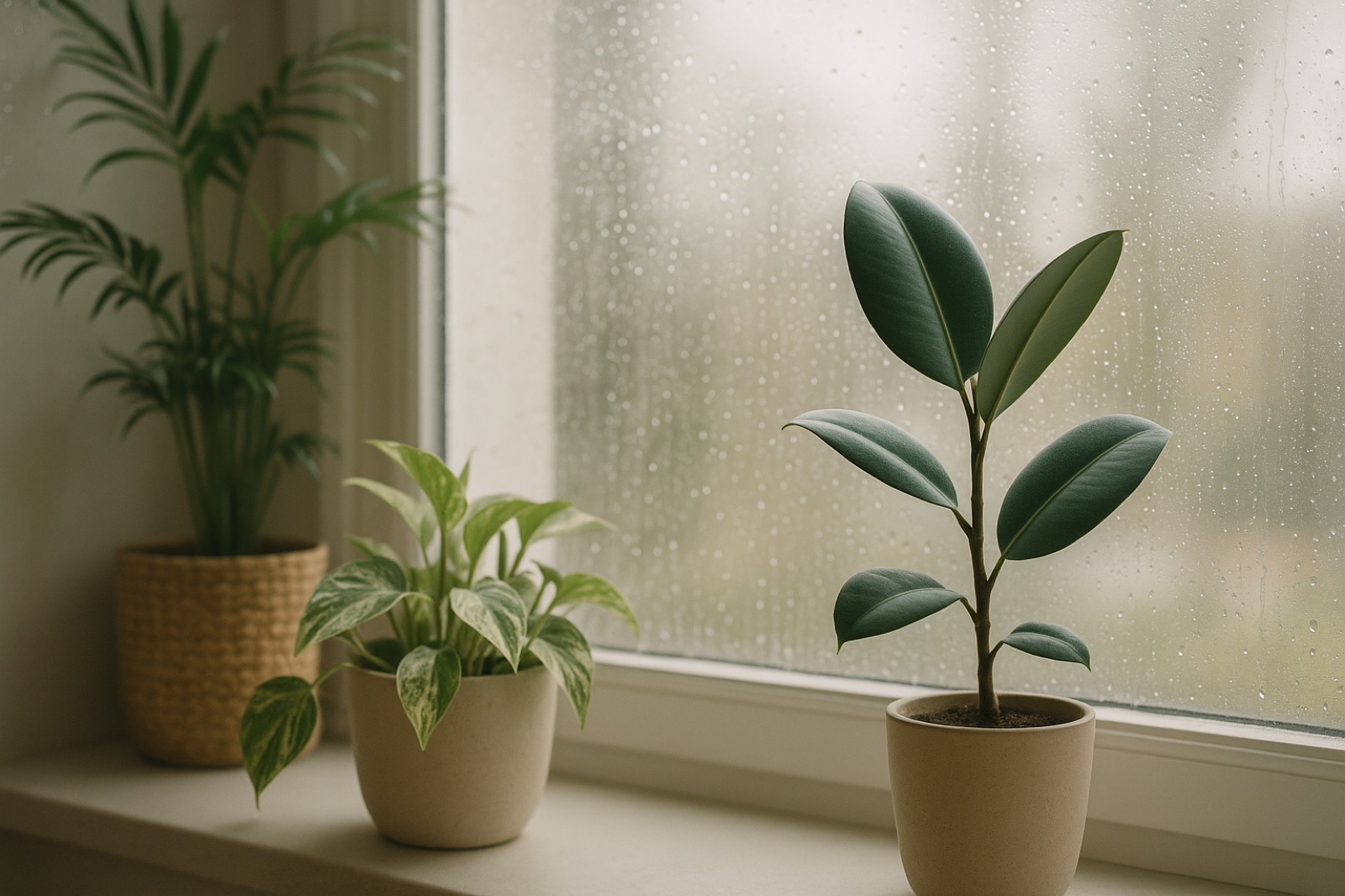
5. **Houseplants**: Certain houseplants can improve air quality by absorbing toxins. Look for plants like spider plants, peace lilies, and snake plants, which are known for their air-purifying abilities.
Recent Discussions and Context
While the importance of indoor air quality is well recognized, discussions around public health often touch on broader issues. For instance, The Guardian highlighted the need to prioritize public health over industry pressures in addressing widespread health concerns such as obesity. Although not directly related to air quality, the broader theme underscores the critical nature of health-focused policies and practices, including those affecting indoor environments.
In another context, the focus on harm reduction in drug policies, as reported by The Guardian, indicates a shift towards prioritizing health outcomes in challenging situations. This perspective aligns with the necessity of creating healthy living conditions at home as part of broader public health efforts.
Conclusion
By taking proactive measures to improve indoor air quality, families can significantly enhance their health and well-being. Simple steps such as ensuring proper ventilation, using quality air filters, and maintaining cleanliness can create a safer home environment. With a growing awareness of the impact of our surroundings on health, it is essential to prioritize the air we breathe, ensuring our homes are conducive to good health.
For families looking to maintain a healthy living environment, regular inspections of roofing and ventilation can also be beneficial. Resources like Keys Roofing can provide guidance on maintaining a safe and healthy home.