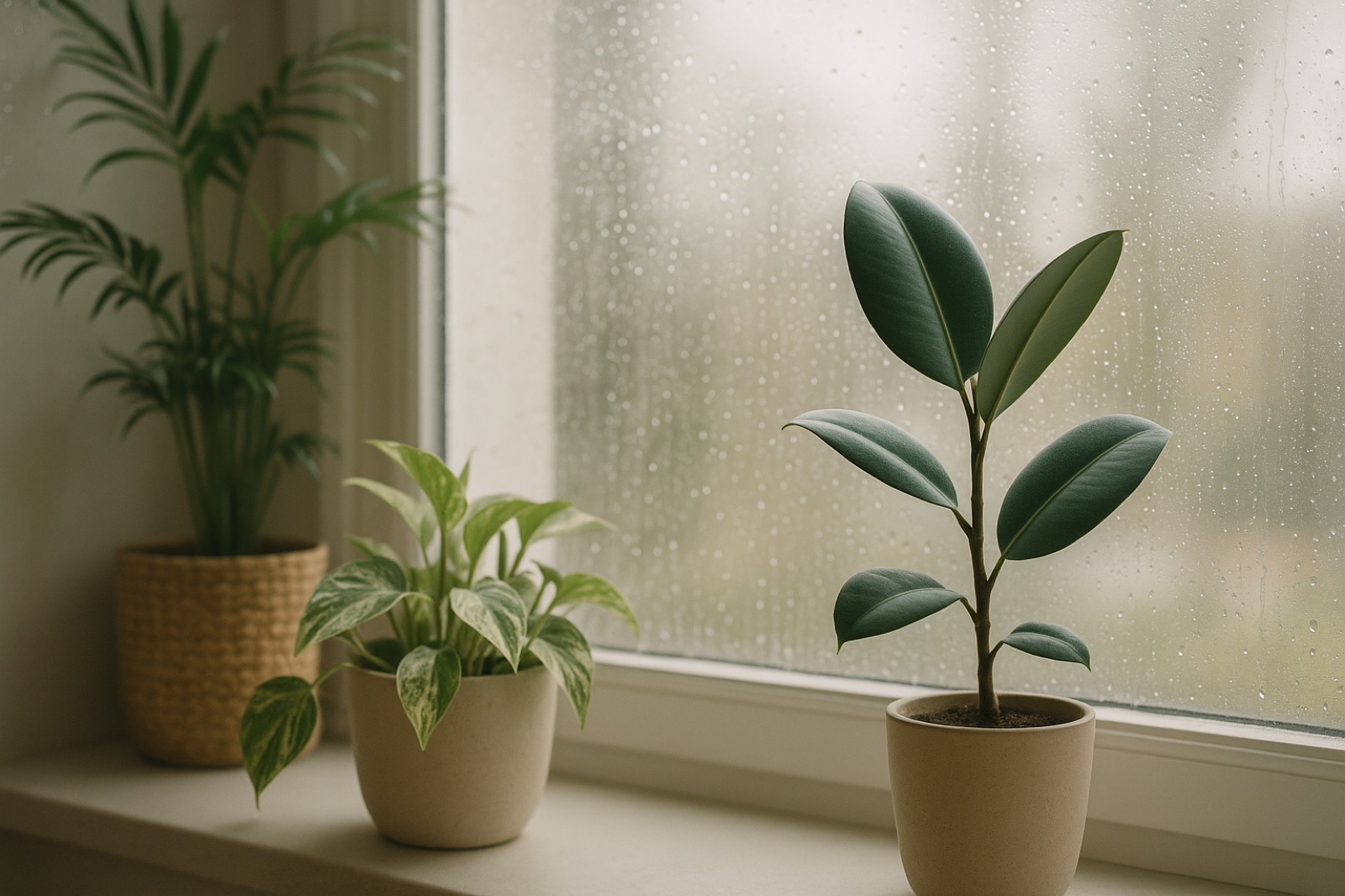
Indoor air quality is often overlooked, yet it plays a significant role in our overall health and well-being. Factors such as mold, dust, and pollutants can contribute to respiratory issues and other health concerns. Understanding how to manage and improve air quality in your home is essential for creating a healthier living environment.
Why Indoor Air Quality Matters
According to the U.S. Environmental Protection Agency (EPA), indoor air pollution can be two to five times worse than outdoor pollution. This can be particularly concerning for children, the elderly, and those with pre-existing health conditions. Regularly monitoring and improving the air quality in your home can lead to better health outcomes.
Common Indoor Air Pollutants
Several common indoor pollutants can affect air quality:
- Mold: Mold thrives in humid conditions and can cause various respiratory issues.
- Dust and Allergens: Dust mites, pet dander, and pollen can trigger allergies and asthma.
- Volatile Organic Compounds (VOCs): Found in many household products like paints, cleaners, and air fresheners, VOCs can affect air quality.
- Carbon Dioxide: High levels can lead to fatigue and decreased concentration.
Practical Tips to Improve Indoor Air Quality
Improving your home's air quality can be achieved through several practical steps:
- Ventilate Regularly: Open windows and doors when weather permits to allow fresh air to circulate. This is especially important if you're using products that can release VOCs.
- Control Humidity: Use dehumidifiers in damp areas of your home to combat mold growth. The ideal indoor humidity level is between 30 and 50 percent.
- Use Air Purifiers: Consider using HEPA air purifiers in high-traffic areas or bedrooms to help reduce allergens and pollutants.
- Regular Cleaning: Dust and vacuum your home regularly, using a vacuum with a HEPA filter to capture allergens effectively.
- Choose Low-VOC Products: When buying paints, cleaners, and other household items, look for low-VOC or VOC-free options to minimize exposure.
- Test for Radon: Radon is a colorless, odorless gas that can accumulate indoors. Testing kits are available to check levels in your home, and mitigation measures can be implemented if needed.
The Bigger Picture
Recently, there have been discussions in the health community regarding disparities in research funding, particularly in the field of cancer. According to a report by NPR, "93% of cancer researchers who study disparities said federal policy changes have affected them." This highlights the importance of continued research and funding to address health disparities that can also be linked to environmental factors, including air quality.
Conclusion
Improving indoor air quality is an achievable goal that can significantly impact your family's health. By making simple adjustments in your home like regular cleaning, monitoring humidity, and investing in air purifiers, you can create a safer and healthier environment. Remember, every small step counts towards enhancing your home’s air quality and ensuring the well-being of your loved ones.