Indoor air quality is a significant factor in creating a healthy home environment. With recent reports highlighting the growing concerns around health conditions and environmental factors, understanding how to manage air quality can help ensure the well-being of your family.
Why Indoor Air Quality Matters
Indoor air quality can directly affect our health and comfort. Poor air quality has been linked to various health issues, including respiratory problems, headaches, and even more serious conditions. Just as recent health discussions have highlighted issues like aortic dissection and public health challenges, it is important to consider how the air we breathe daily can impact our overall health.
Common Indoor Air Pollutants
Several common pollutants can affect air quality in your home. These include dust, pet dander, smoke from cooking or burning candles, and volatile organic compounds (VOCs) emitted from household products. The presence of mold can also contribute to poor air quality, making it essential to maintain a clean and dry environment.
Simple Steps to Improve Air Quality
1. **Ventilation**: Ensure your home is well-ventilated. Opening windows when weather permits can help bring in fresh air and reduce the concentration of indoor pollutants. Consider using exhaust fans in kitchens and bathrooms to expel stale air.
2. **Regular Cleaning**: Keeping your home clean can significantly improve air quality. Regularly dust surfaces and vacuum using a high-efficiency particulate air (HEPA) filter to capture allergens and pollutants. Don't forget to clean your air ducts periodically as well.
3. **Use Air Purifiers**: Investing in an air purifier can be an effective way to reduce indoor pollutants. Look for models that have HEPA filters to effectively trap dust and allergens.
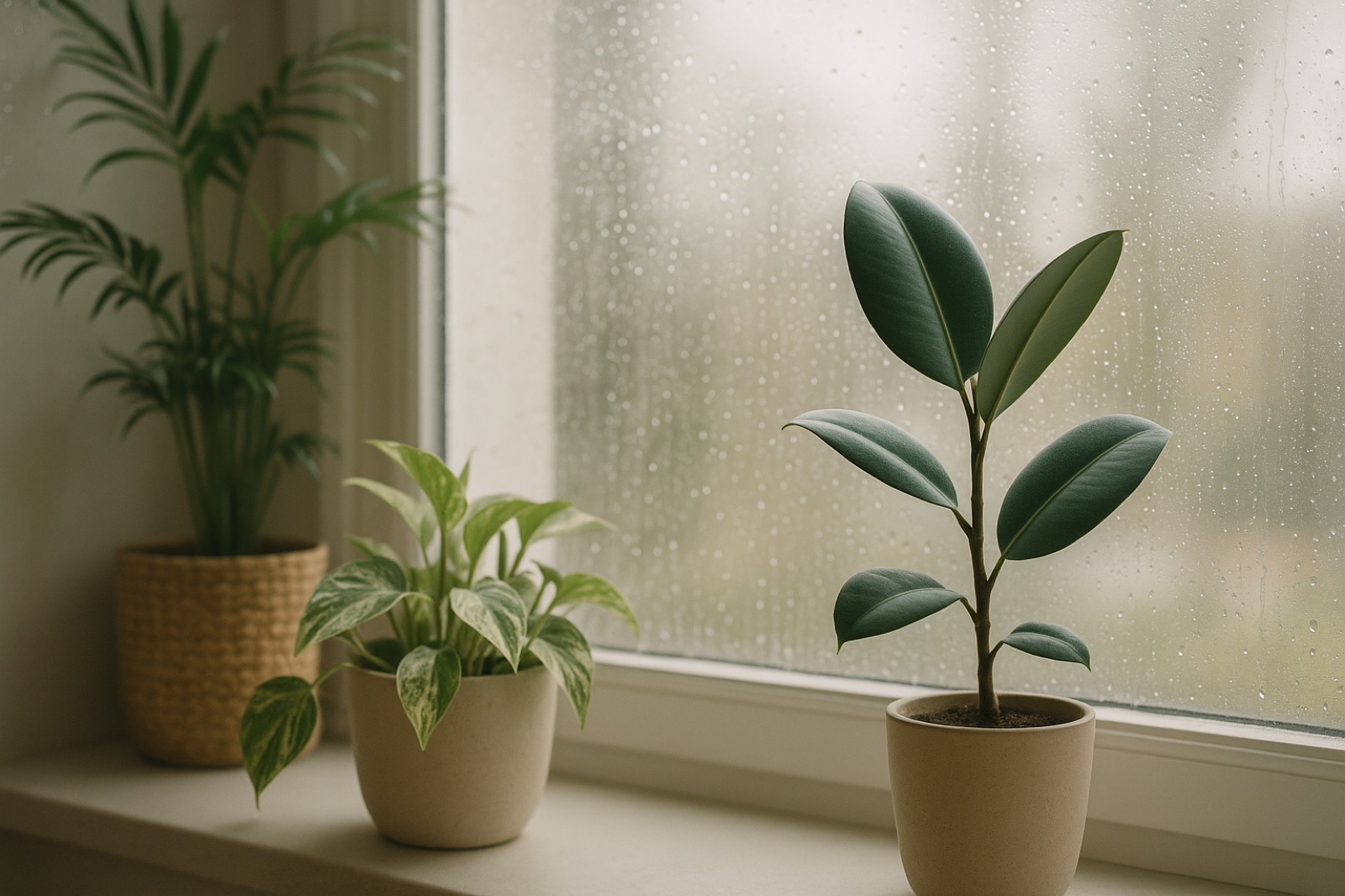
4. **Houseplants**: Certain houseplants can help filter indoor air. Species like spider plants, peace lilies, and snake plants are known for their air-purifying properties.
5. **Humidity Control**: Maintaining a balanced humidity level (between 30-50%) can help prevent mold growth and reduce dust mites. Using a dehumidifier in damp areas of the home can be particularly beneficial.
Staying Informed
In light of recent health reports, such as the spread of Ebola in eastern Congo, it is a timely reminder of the importance of being proactive about our health, including our living environments. As stated in a recent NPR summary, "Eighty percent of new Ebola cases in eastern Congo are emerging from unknown chains of transmission". While this may seem distant, it underscores the importance of maintaining health standards at home.
Conclusion
Improving indoor air quality is a manageable goal that can significantly enhance your family’s health. By following practical steps, you can create a healthier living environment that supports your overall well-being. Remember, a clean and well-ventilated home not only feels better but also contributes to a healthier lifestyle.