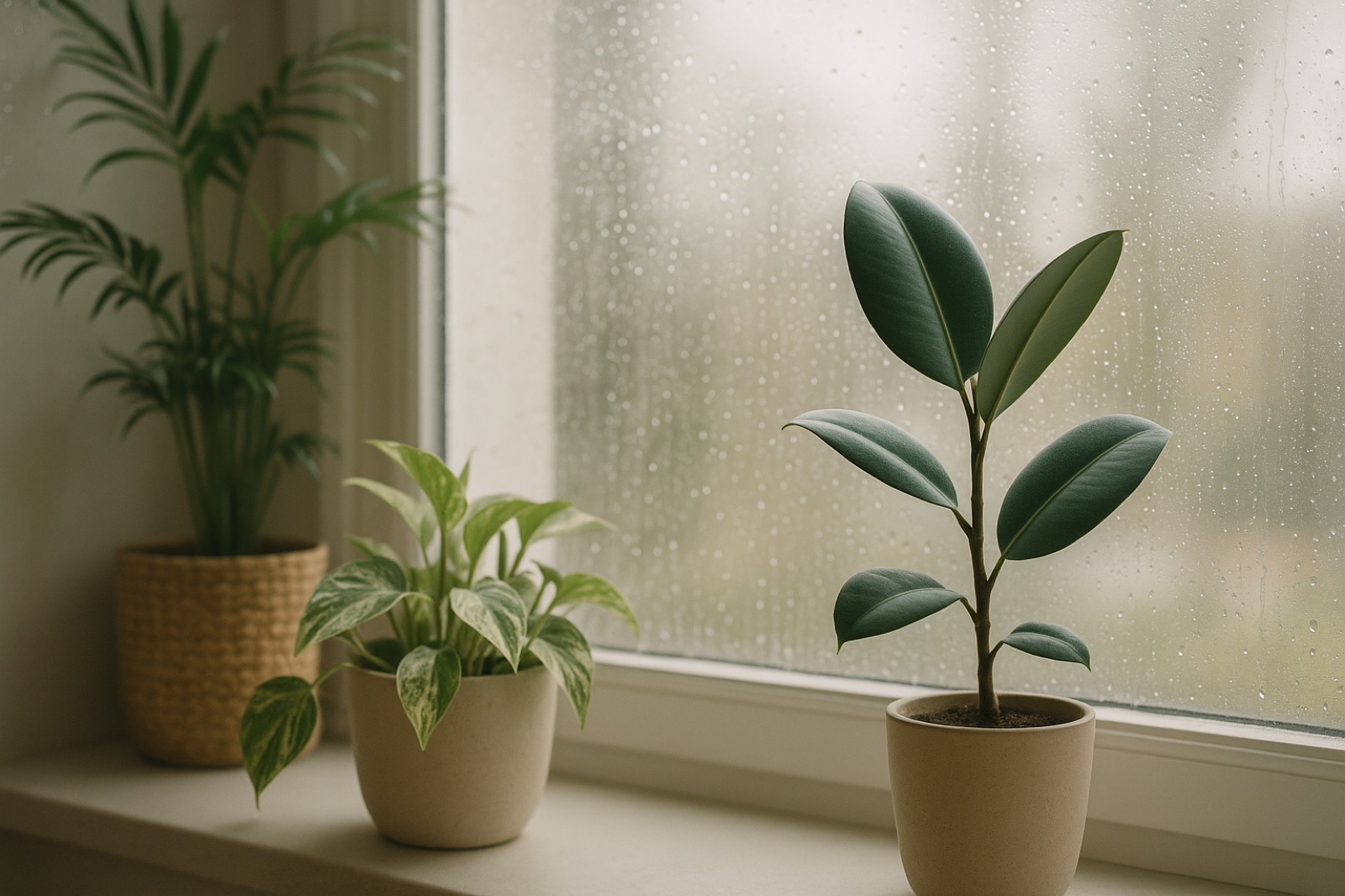
Indoor air quality is an essential aspect of maintaining a healthy home environment. Various factors contribute to the air we breathe inside our homes, from cleaning products to outdoor pollutants. Recent discussions in the public health community underscore the importance of being aware of these factors.
Why Indoor Air Quality Matters
Studies have shown that indoor air can be more polluted than outdoor air, with common pollutants including volatile organic compounds (VOCs), mold spores, dust, and allergens. Poor indoor air quality has been linked to a range of health issues, particularly in vulnerable populations such as children, the elderly, and those with pre-existing health conditions. As we become more aware of these factors, it is clear that monitoring and improving indoor air quality should be a priority for homeowners.
Recent Public Health Initiatives
Recent health discussions, such as the one led by the CDC regarding public health initiatives, highlight the need for comprehensive health strategies. While specific attention has been given to outdoor air quality and broader health implications, it is equally critical to address the environment within our homes. For instance, there is a growing consensus around monitoring health metrics that can indirectly influence indoor air quality, such as hormonal levels, which can affect overall health and wellbeing. As noted in a recent NPR article, understanding these metrics can help inform broader health strategies.
Practical Steps to Improve Indoor Air Quality
Improving your home’s air quality can be done through several practical steps:
- Ventilation: Ensure your home is well-ventilated. Open windows when weather permits to allow fresh air to circulate. Use exhaust fans in kitchens and bathrooms to remove moisture and contaminants.
- Air Purifiers: Consider using air purifiers with HEPA filters to reduce the levels of allergens and pollutants in your home.
- Houseplants: Certain houseplants can help purify indoor air. Plants like spider plants and peace lilies are easy to care for and can absorb harmful substances.
- Regular Cleaning: Dust and vacuum regularly to reduce dust mites and allergens. Use a vacuum equipped with a HEPA filter for best results.
- Humidity Control: Keep humidity levels between 30% and 50% to prevent mold growth. Dehumidifiers can help in areas prone to dampness.
- Choosing Products Wisely: Use low-VOC or VOC-free cleaning products and paints. Check product labels for any harmful chemicals.
Staying Informed
Being proactive about indoor air quality can lead to significant improvements in family health. As regulations evolve, such as the recent announcement regarding the ban on energy drinks for children in England, it reflects a growing trend towards enhanced health regulations that prioritize well-being at all ages. Ensuring a healthy indoor environment mirrors these efforts, emphasizing prevention and wellness.
Conclusion
Monitoring and improving indoor air quality is vital for nurturing a healthy home. By taking practical steps, homeowners can significantly enhance their family's well-being and make informed choices about their living environment. As public health discussions evolve, being aware of the factors affecting indoor air quality will empower families to create a safer, healthier space.