Maintaining a healthy indoor environment is crucial for family well-being, especially in the face of varying weather conditions. With extreme heat becoming more common, as highlighted by recent discussions on coping strategies without air conditioning from NPR, it is essential to consider how humidity levels in your home can affect comfort and health.
The Importance of Humidity Control
Indoor humidity can influence not just comfort but also health outcomes. High humidity levels can create an ideal environment for mold growth, dust mites, and other allergens, which may exacerbate respiratory issues and allergies. Conversely, low humidity can lead to dry skin, irritated sinuses, and respiratory discomfort. The ideal relative humidity level for most homes is between 30% and 50%.
Identifying Humidity Levels
To manage humidity, begin by measuring the current levels in your home. A hygrometer is an inexpensive tool that can help. Monitor humidity levels throughout the day, as they can fluctuate based on factors like temperature changes and household activities, such as cooking or showering.
Practical Strategies for Humidity Control
There are several practical steps you can take to maintain optimal humidity levels:
- Ventilation: Ensure that your home is well-ventilated. Use exhaust fans in areas prone to moisture like kitchens and bathrooms. Open windows when possible to allow fresh air to circulate, especially during cooler times of the day.
- Dehumidifiers: If you live in a particularly humid area, consider using a dehumidifier. These appliances can effectively reduce excess moisture in the air, improving comfort and reducing the risk of mold growth.
- Air Conditioning: If you have air conditioning, use it wisely. Air conditioning units can naturally dehumidify the air as they cool it. However, ensure they are properly maintained to function effectively.
- Moisture Absorbers: Products like silica gel or activated charcoal can be placed in closed spaces, like closets or basements, to absorb excess moisture. Regularly check and replace them as needed.
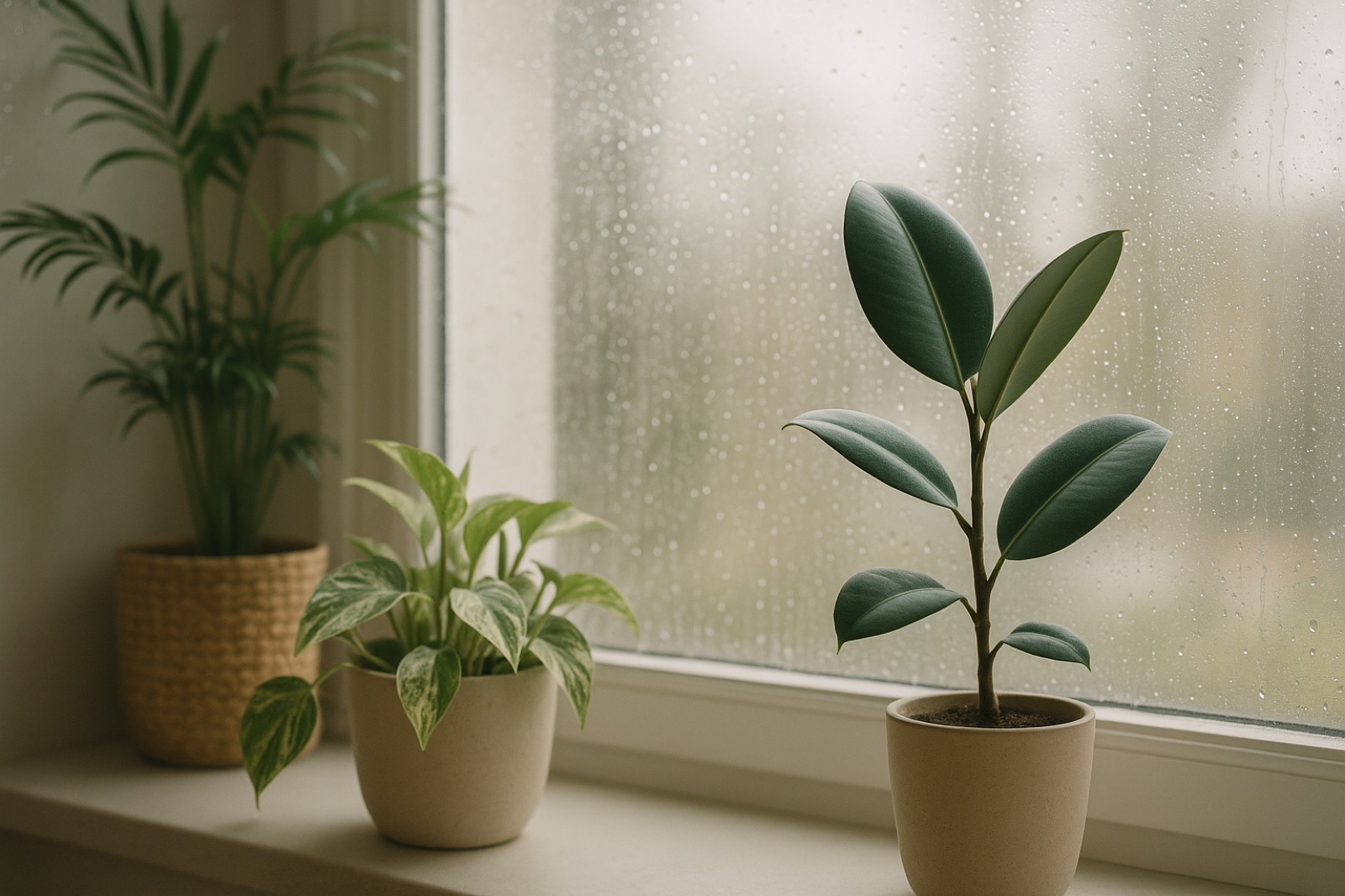
- Indoor Plants: While some indoor plants can contribute to humidity, others can help absorb moisture. Research which plants are best suited for your home environment.
Responding to Extreme Weather Conditions
As extreme weather patterns continue to emerge, being proactive about indoor humidity can provide significant benefits for family health. The current discussions regarding coping with extreme summer heat without air conditioning highlight the need for families to find alternative ways to stay cool and comfortable. Managing humidity can be a key part of this strategy, helping to create a healthier indoor environment.
Regular Maintenance
Regular checks on your home’s plumbing, roofs, and basements can help prevent leaks and dampness that contribute to high humidity levels. If you notice signs of mold or excessive moisture, addressing these issues promptly can help safeguard your family’s health.
By implementing these practical strategies and monitoring indoor humidity, families can enhance their overall comfort and well-being at home. Remember, a balanced indoor environment not only supports physical health but also contributes to a more pleasant living space.
For more insights into coping with the challenges of extreme weather, check out NPR's coverage on keeping cool during hot summers.