As extreme summer heat becomes more common, many households find themselves facing the challenge of maintaining comfort without air conditioning. According to a recent article from NPR, researchers offer practical advice for coping with high temperatures, especially for those without access to cooling systems. This situation highlights the importance of indoor air quality and the steps we can take to ensure a safe and comfortable environment.
Understanding the Importance of Indoor Air Quality
Indoor air quality (IAQ) is a critical aspect of maintaining a healthy home environment. High temperatures can lead to increased humidity levels, which can exacerbate indoor air quality issues. Poor air quality can affect everyone, but it can be especially challenging for vulnerable populations, including the elderly, children, and those with pre-existing health conditions.
Practical Tips for Managing IAQ During Hot Weather
Here are several strategies to help you maintain good indoor air quality when the heat is on:
- Ventilation: Ensure your home is well-ventilated. Open windows during cooler hours of the day to allow fresh air to circulate. If you are using exhaust fans, especially in kitchens and bathrooms, this can help remove humid air.
- Dehumidifiers: Consider using a dehumidifier to control moisture levels in your home. High humidity can lead to discomfort and promote the growth of mold and mildew.
- Air Purifiers: Invest in a good air purifier with a HEPA filter. This can help remove allergens and improve overall air quality, making it easier to breathe in hot conditions.
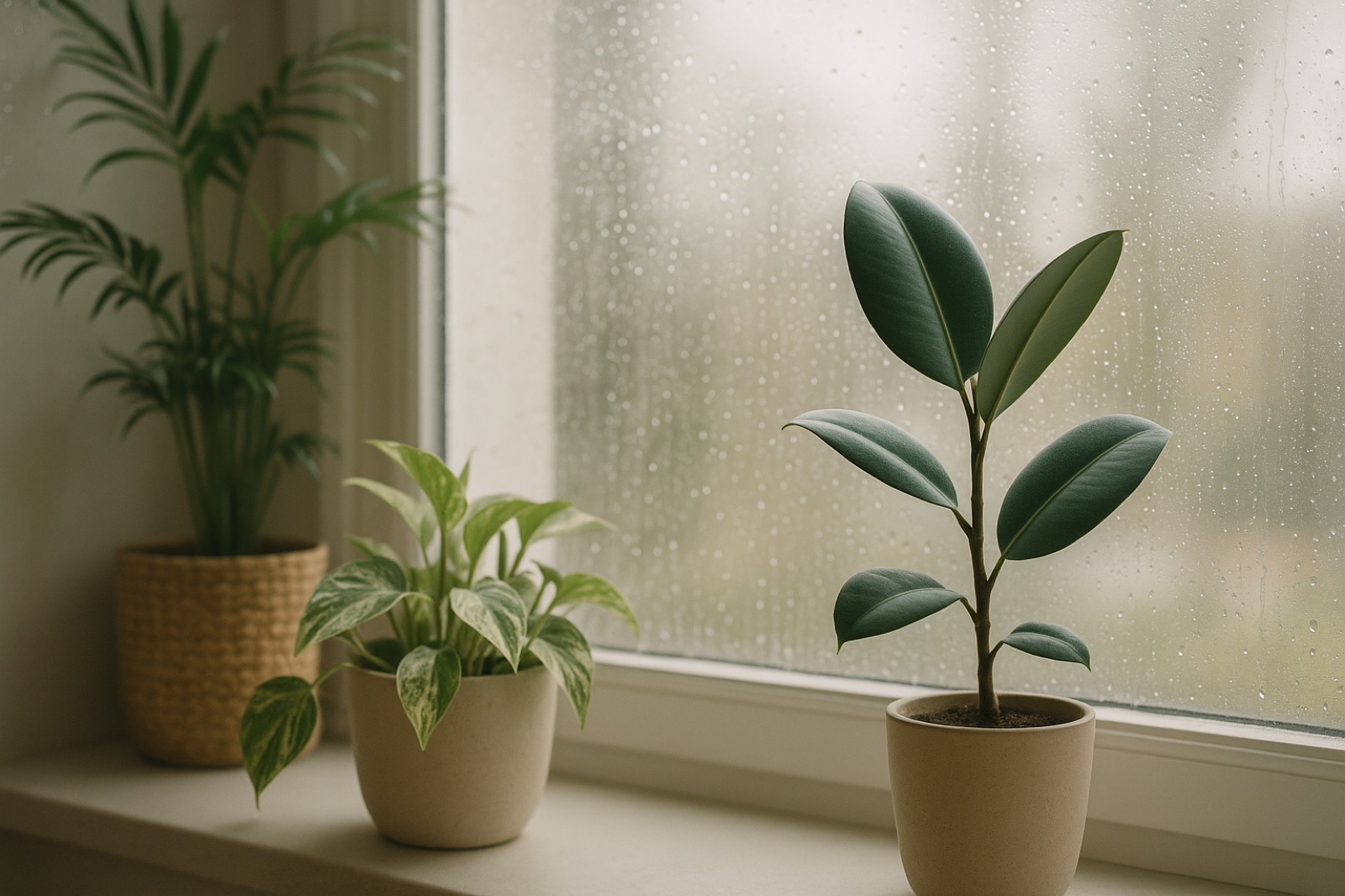
- Household Plants: Certain indoor plants can naturally purify air. However, be cautious with watering, as excessive moisture can lead to mold growth.
- Regular Maintenance: Keep your HVAC system well maintained, and change filters regularly. If you do not have air conditioning, fans can be a great alternative; just make sure they are cleaned frequently.
- Limit Pollutants: Avoid using strong cleaning agents, aerosol sprays, and other pollutants that can diminish air quality. Opt for natural cleaning solutions when possible.
Stay Informed and Prepared
As the climate changes and we experience more extreme heat events, staying informed can help you better prepare your home for the challenges ahead. A report by the CDC has identified rising health concerns linked to increased heat exposure. They note that "more than 1,600 cases of intestinal illness cyclosporiasis reported in the U.S." can also be connected to heat-related factors, highlighting the need for vigilance in our home environments.
For more information on these health concerns, refer to the NPR article discussing the implications of such illnesses in relation to environmental factors.
Conclusion
Managing indoor air quality during extreme heat can seem daunting, but with practical strategies and a proactive approach, it is achievable. Remember to ventilate, dehumidify, purify, and maintain your home environment. By taking these steps, you can protect your family’s health while keeping your home comfortable, regardless of the weather outside.