As temperatures rise during summer months, many households face challenges in maintaining comfortable indoor environments. Extreme heat can have significant impacts not just on comfort but also on indoor air quality. Understanding how to manage this air quality is essential for maintaining a healthy home, especially for those without air conditioning.
Why Indoor Air Quality Matters
Indoor air quality (IAQ) is a key factor in overall health and wellness. Poor IAQ can lead to respiratory problems, allergies, and other health issues. During periods of extreme heat, the risk of poor IAQ can increase due to various factors, including higher humidity, the use of fans, and the accumulation of pollutants.
Practical Steps to Enhance Indoor Air Quality
Here are some practical strategies to help maintain good indoor air quality during hot weather:
- Ventilation: Open windows and doors in the early morning or late evening when outdoor temperatures are cooler. This can help bring in fresh air and reduce indoor humidity levels.
- Air Purifiers: Consider using portable air purifiers with HEPA filters to help remove airborne particles. This can be especially beneficial for those who suffer from allergies or respiratory issues.
- Humidity Control: Use dehumidifiers in areas prone to moisture buildup, such as basements. Keeping humidity levels between 30% and 50% can help reduce the growth of mold and dust mites.
- Limit Pollutants: Reduce the use of candles, incense, and other sources of indoor air pollution. Opt for natural cleaning products and avoid smoking indoors.
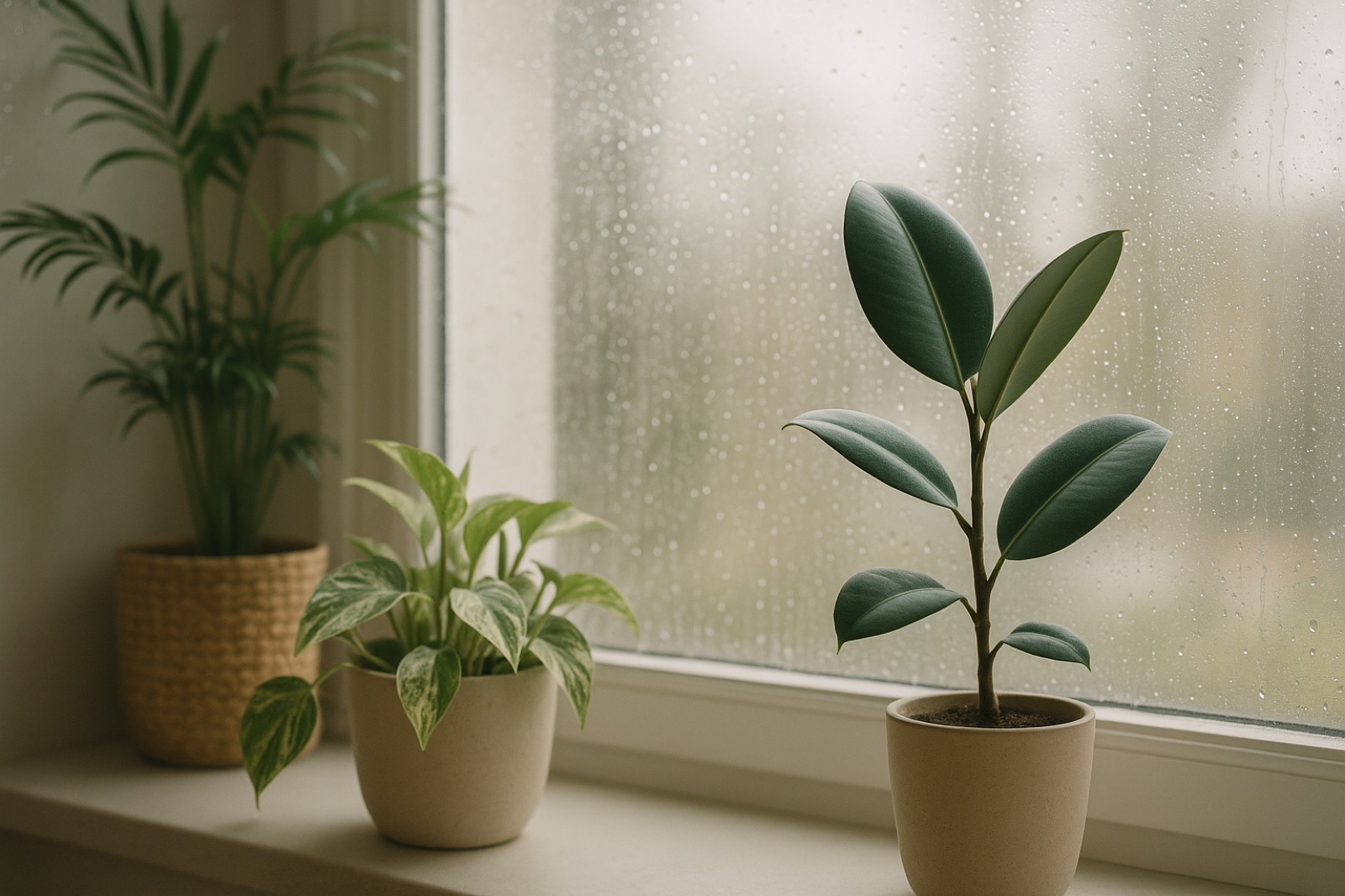
- Houseplants: Certain indoor plants can improve air quality by absorbing carbon dioxide and releasing oxygen. However, be mindful that some plants can also contribute to mold growth, so choose wisely.
Adapting to Heat Without Air Conditioning
For those without air conditioning, managing indoor temperatures becomes crucial. NPR recently highlighted strategies for coping with extreme heat without AC, emphasizing the importance of natural ventilation and using reflective materials to keep homes cooler. Consider using fans strategically to promote air circulation and use shades or curtains to block direct sunlight during peak hours.
Stay Informed and Prepared
In light of the ongoing challenges posed by extreme weather, it is essential to stay informed about the health risks associated with heat waves. The article titled “How to keep cool in this year's extreme summer heat even without air conditioning” from NPR provides valuable insights on coping strategies that could help reduce not only the discomfort of heat but also related air quality issues.
As you adapt to the changing climate, remember that maintaining good indoor air quality is a continuous process. By implementing these practical steps and staying proactive, you can create a safer and more comfortable living environment for you and your family, even during the hottest days of summer.