As extreme temperatures become more frequent due to climate change, understanding how to manage indoor air quality during heat waves is crucial for family health. Recent events in the UK illustrate this challenge; as reported by The Guardian, the recent heatwaves have led to serious public health concerns, highlighting the need for practical solutions.
The Importance of Indoor Air Quality
When outdoor temperatures soar, many families turn to fans and air conditioning to stay cool. However, it is equally important to ensure that the air quality inside our homes remains healthy. Poor indoor air quality can lead to a range of health issues, including respiratory problems and increased stress levels. Furthermore, as Dr Alessandro Massazza notes, extreme heat can be linked to poor mental health, making it even more vital to create a comfortable indoor environment.
Practical Steps to Improve Indoor Air Quality
Here are some evidence-based strategies to enhance indoor air quality during heat waves:
- Ventilation: Ensure proper air flow in your home. Open windows early in the morning or late in the evening when temperatures drop. Use exhaust fans in kitchens and bathrooms to remove excess humidity from cooking and bathing.
- Humidity Control: High humidity levels can exacerbate heat discomfort. Use dehumidifiers to maintain humidity between 30% and 50%. This range helps prevent mold growth and makes the air feel cooler.
- Air Filters: Regularly change air filters in your HVAC system to ensure efficient operation. Consider using high-efficiency particulate air (HEPA) filters to trap allergens and pollutants.
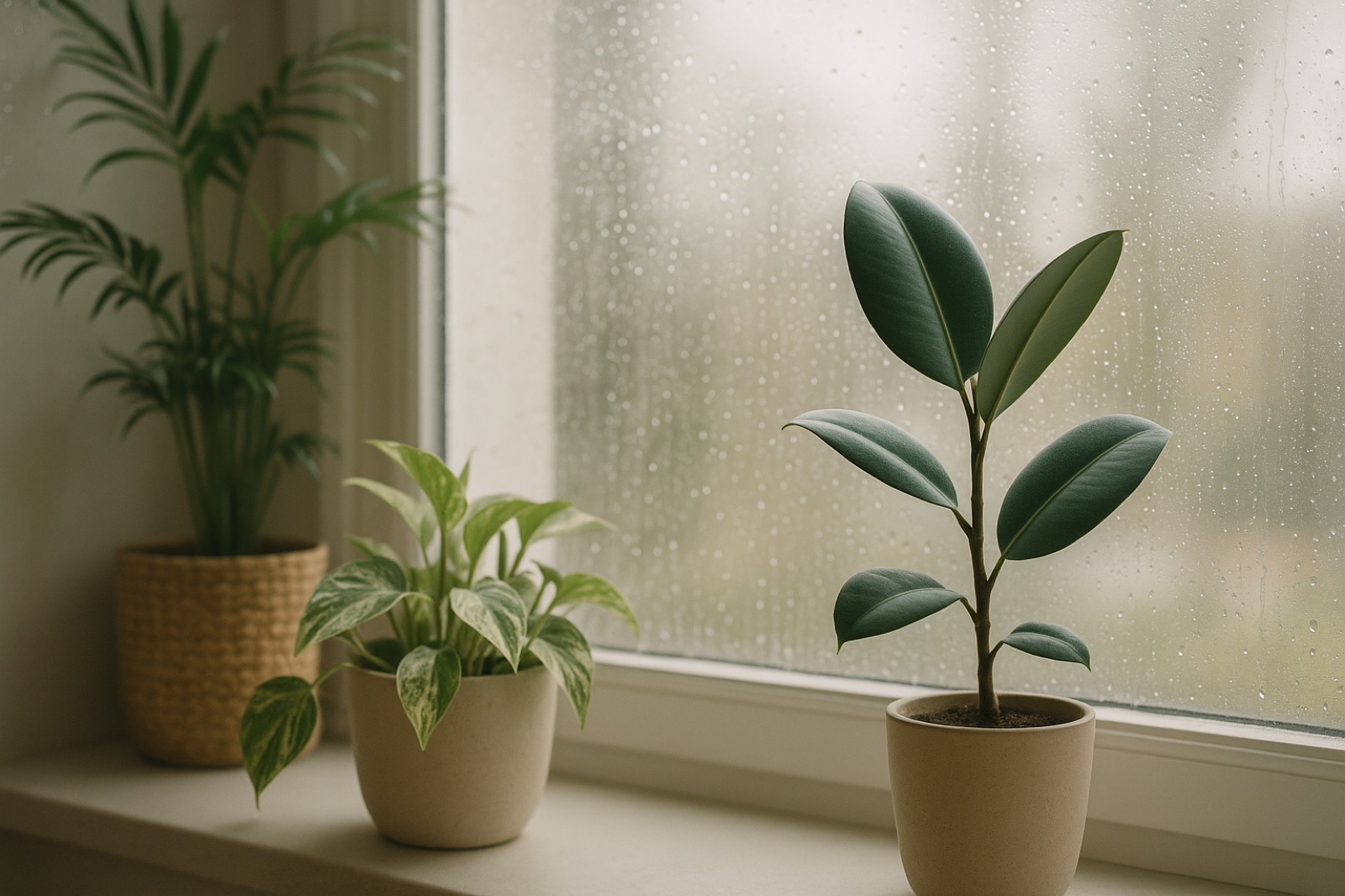
- Indoor Plants: Certain houseplants can improve air quality by absorbing toxins and providing oxygen. Plants like spider plants, peace lilies, and snake plants are easy to care for and can enhance your indoor environment.
- Avoid Indoor Pollutants: During heat waves, be mindful of indoor pollutants. Limit the use of candles, incense, and harsh cleaning products. Instead, opt for natural cleaning solutions and ensure that rooms are well-ventilated when using any chemicals.
Staying Cool Without Compromising Air Quality
Staying cool is essential during extreme heat, but it should not come at the expense of indoor air quality. Here are some additional tips for maintaining comfort without sacrificing health:
- Use Ceiling Fans Wisely: Ceiling fans can create a wind chill effect, making you feel cooler without lowering the room temperature. Set fans to run counterclockwise in summer.
- Close Blinds and Curtains: Keeping blinds or curtains closed during the hottest part of the day can block heat from entering your home. Consider using thermal curtains for added insulation.
- Limit Cooking: Cooking indoors can increase temperatures and humidity levels. Instead, prepare meals that require minimal cooking or opt for outdoor grilling when possible.
Monitoring Your Home's Environment
Investing in an indoor air quality monitor can help you keep track of temperature, humidity, and air quality levels. Being proactive about monitoring these factors enables you to make timely adjustments to maintain a healthy environment.
Conclusion
As extreme heat events become increasingly common, maintaining good indoor air quality is essential for family health and well-being. By implementing the practical steps outlined above, you can create a cooler and healthier home environment during heat waves. For more information on water quality and other home wellness tips, check out Jones Water.