As summer temperatures soar, maintaining a comfortable and healthy home environment becomes increasingly important. With recent reports of extreme heat being forecasted, many families are looking for practical ways to stay cool while also ensuring good indoor air quality. This is especially relevant as air conditioning may not be accessible to everyone. In a recent article, NPR outlined ways people can cope without air conditioning, emphasizing the need for creative solutions to beat the heat.
Understanding Indoor Air Quality
Indoor air quality refers to the condition of the air inside buildings and homes and is crucial for health and comfort. Pollutants can include dust, mold, pollen, and volatile organic compounds (VOCs) from household products. In the context of extreme heat, indoor air quality can be affected by factors such as ventilation, humidity, and the use of certain cooling methods.
Strategies for Improving Indoor Air Quality
Here are some practical tips to improve indoor air quality while managing heat:
- Ventilation: Open windows during cooler parts of the day to allow fresh air in. However, be cautious of outdoor air pollution and allergens. Use exhaust fans in kitchens and bathrooms to reduce humidity and eliminate odors.
- Air Purifiers: Consider using air purifiers with HEPA filters to reduce airborne particles. This can be particularly helpful during heat waves when windows might need to be closed.
- Humidity Control: High humidity can make temperatures feel warmer and may lead to mold growth. Use dehumidifiers in damp areas to maintain an ideal humidity level between 30 and 50 percent.
- Natural Cooling Techniques: Fans can help circulate air. Positioning fans near windows can create a cross-breeze that helps cool down a room. Placing a bowl of ice in front of a fan can also provide a temporary cooling effect.
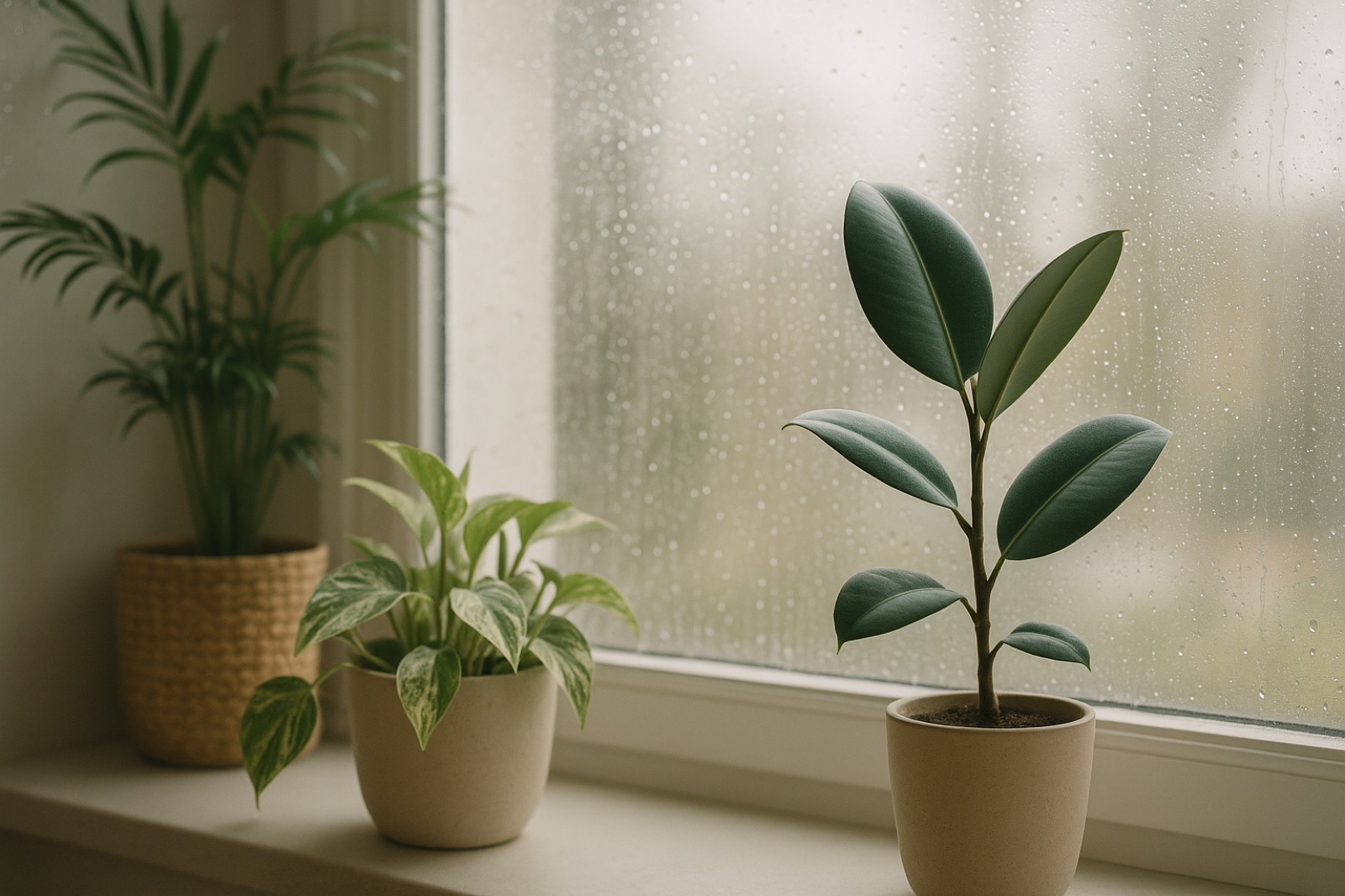
- Houseplants: Certain plants can help improve indoor air quality by absorbing toxins and releasing oxygen. Consider adding plants like spider plants or peace lilies to your home.
Staying Safe During Extreme Heat
In addition to improving air quality, it is essential to take measures to stay safe during extreme heat. Make sure to stay hydrated and wear light clothing. If possible, limit outdoor activities during peak sun hours.
For families without air conditioning, alternatives like visiting public cooling centers or spending time in air-conditioned spaces can provide relief. According to NPR, "How to keep cool in this year's extreme summer heat even without air conditioning," there are many suggestions that can help individuals manage heat without relying solely on cooling systems.
Conclusion
While extreme summer heat poses challenges, it also offers an opportunity to focus on indoor air quality and explore natural cooling methods. By implementing these strategies, families can create a healthier home environment that promotes well-being during the hot months ahead.