Indoor air quality is a crucial yet often overlooked aspect of home health. With many people spending the majority of their time indoors, it is essential to understand how to create a healthier living environment. Poor indoor air quality can lead to various health issues, including respiratory problems, headaches, and fatigue. Fortunately, there are practical steps you can take to improve the air in your home.
Understanding Common Indoor Air Pollutants
Common indoor air pollutants include dust, mold, pet dander, and volatile organic compounds (VOCs) emitted from household products. Ensuring that your living space is free from these pollutants will not only enhance your comfort but also support overall family health. For instance, recent discussions around public health have highlighted how environmental factors play a significant role in well-being. Local governments and health experts are increasingly focused on reducing harmful exposures, as seen in initiatives like those reported by The Guardian, where MPs called for restrictions to promote healthier environments.
Practical Steps for Improving Air Quality
Here are some straightforward methods to improve indoor air quality:
- Regular Cleaning: Dust surfaces and vacuum floors regularly with a vacuum cleaner equipped with a HEPA filter to trap fine particles.
- Keep Humidity Levels in Check: Maintaining indoor humidity between 30 and 50 percent can help prevent mold growth. Use dehumidifiers in damp areas, like basements.
- Ventilation: Ensure proper ventilation by opening windows and using exhaust fans when cooking or bathing. This helps to reduce indoor air pollutants.
- Air Purifiers: Consider using air purifiers with HEPA filters to capture airborne particles. This is especially beneficial in homes with pets or smokers.
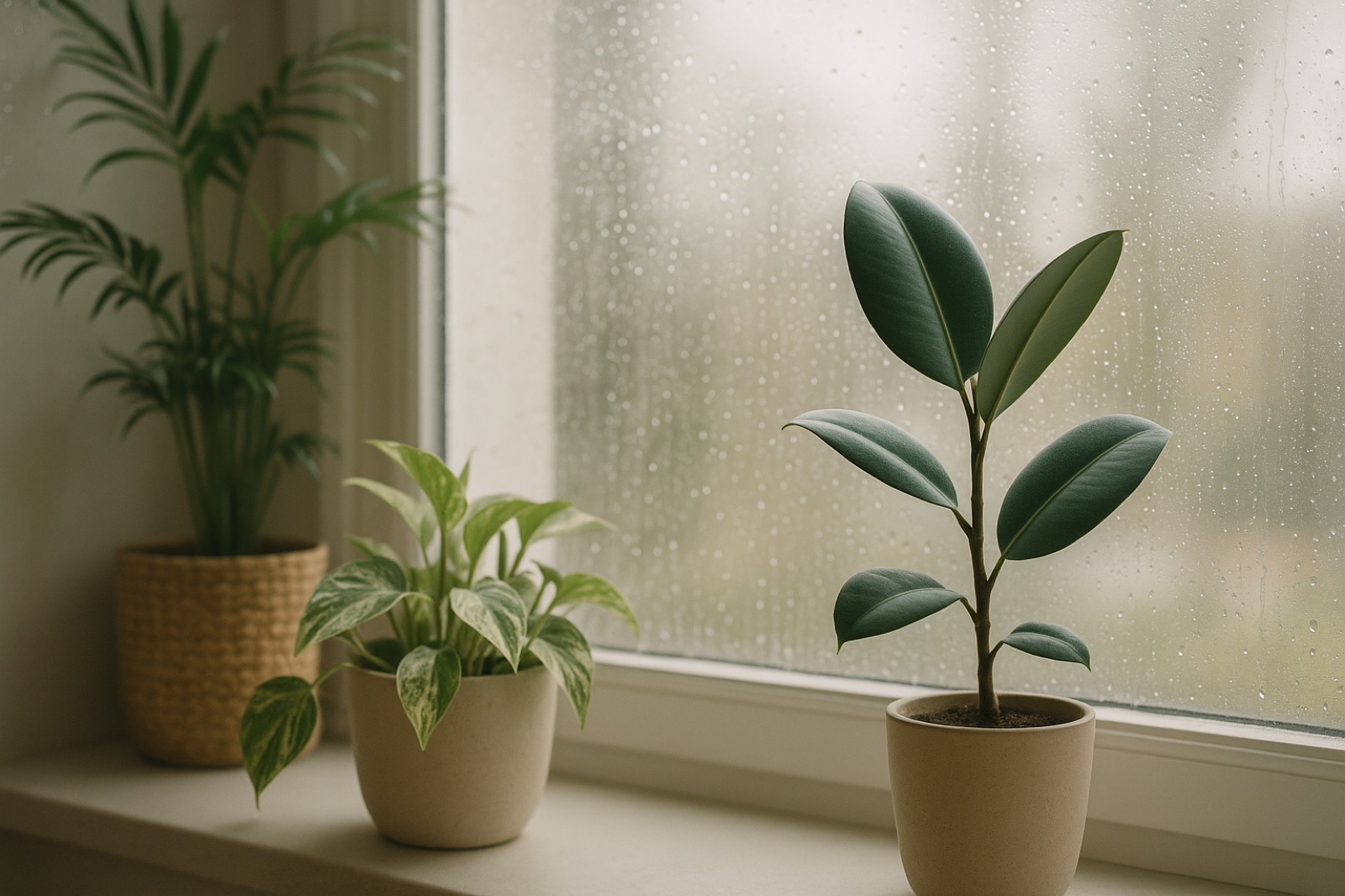
- Houseplants: Introducing houseplants can help improve air quality. Certain plants, such as peace lilies and spider plants, are particularly effective at filtering out common pollutants.
- Be Mindful of Household Products: Choose low-VOC or VOC-free products when possible. This includes paints, cleaners, and furnishings.
Staying Informed
Awareness of household air quality is growing, and incorporating these changes can lead to a healthier home environment. As the conversation about public health continues to evolve, it's essential to stay informed about how our surroundings affect our well-being. For instance, the recent call to action regarding fast food outlets near schools underlines a broader understanding of how environmental factors influence health. The Commons health committee highlighted that tackling obesity requires comprehensive strategies that can also apply to improving air quality at home, since both are tied to lifestyle and health outcomes.
Conclusion
Improving indoor air quality is a manageable goal that can have a positive impact on your family's health. By taking simple, actionable steps, you can create a safer and more comfortable living space. For additional resources on water quality and other home environment factors, visit Jones Water. Remember, small changes can lead to significant benefits in your home environment.