As summer brings extreme heat, many families find it challenging to maintain a comfortable indoor environment. With temperatures soaring, understanding how heat and humidity affect your home is essential for ensuring a safe and healthy living space.
The Impact of Heat and Humidity
High temperatures can lead to discomfort, but humidity can make the situation even worse. Humidity levels above 60 percent can create a breeding ground for mold and mildew, while also making the air feel warmer than it is. As the NPR report suggests, coping with extreme heat requires thoughtful strategies, especially for those without air conditioning. Understanding how to manage both heat and humidity can improve your family's health and comfort.
Practical Strategies to Reduce Humidity
1. **Ventilation**: Ensure your home has adequate ventilation. Opening windows during cooler parts of the day can help lower indoor humidity levels. However, be cautious about outdoor humidity; if it's higher outside than inside, it's better to keep windows closed.
2. **Dehumidifiers**: Consider using a dehumidifier in areas prone to moisture, such as basements or bathrooms. This appliance can help reduce humidity levels significantly, ultimately making your home more comfortable.
3. **Air Conditioning**: While not an option for everyone, air conditioning can lower both temperature and humidity. If you have access to air conditioning, use it strategically. Close blinds or curtains during the day to block out heat, and keep doors and windows closed to maintain a cool environment.
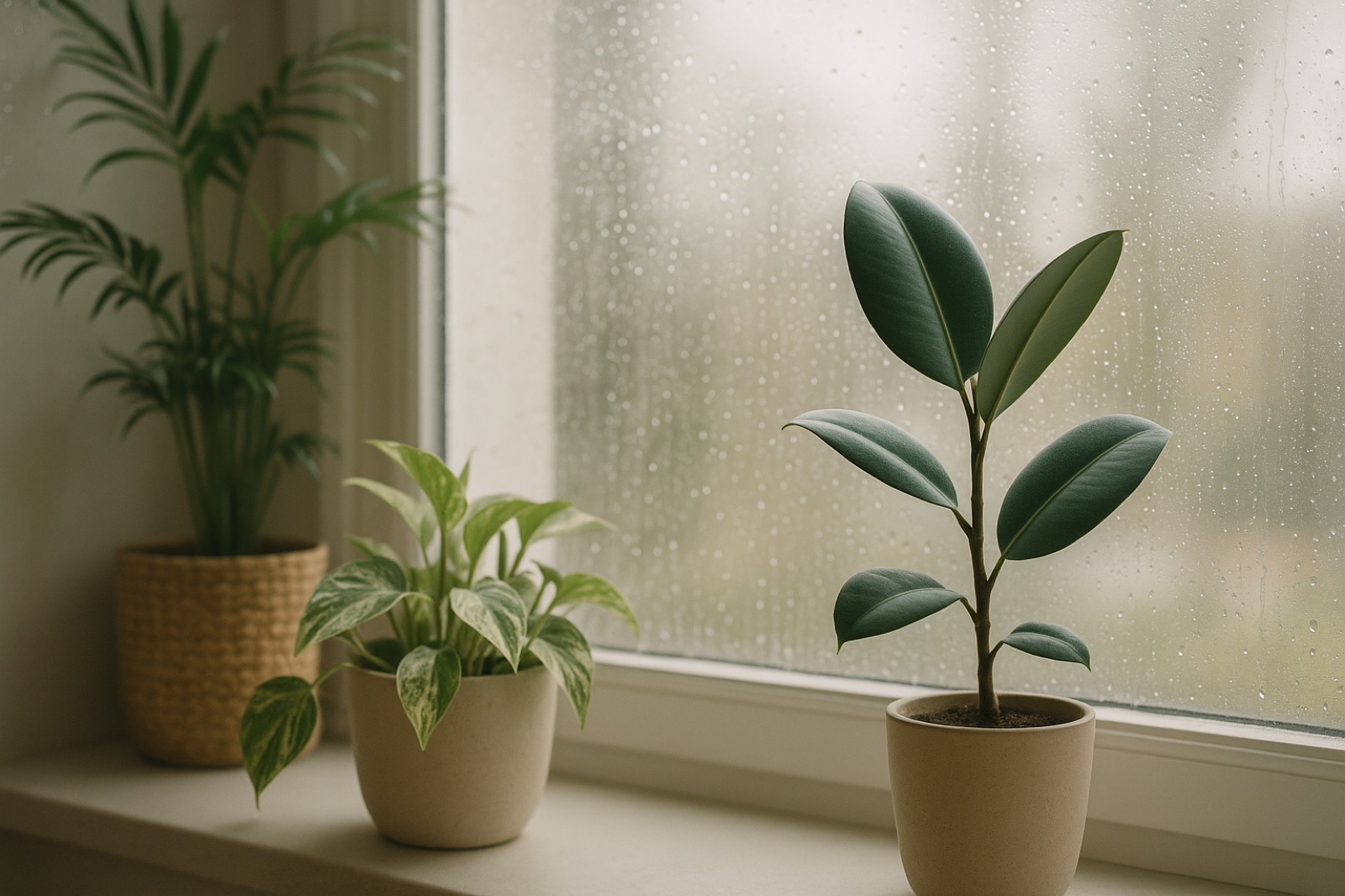
4. **Houseplants**: Interestingly, some houseplants can help regulate humidity levels. Plants such as peace lilies or spider plants absorb moisture from the air, contributing to a more balanced indoor environment.
Staying Cool Without Air Conditioning
If air conditioning is not available, there are still ways to stay cool. According to strategies shared by a heat researcher in NPR, using fans effectively can circulate air and create a wind-chill effect. Placing a bowl of ice in front of a fan can also help cool down the air being circulated.
Additionally, wearing light, breathable clothing and staying hydrated are crucial for coping with extreme heat. Drinking water frequently, even if you do not feel thirsty, can help maintain your body's temperature and prevent heat-related illnesses.
Conclusion
Managing heat and humidity in your home is essential for maintaining comfort and ensuring a healthy environment, especially during extreme weather conditions. By implementing the strategies mentioned, you can create a more pleasant indoor atmosphere while mitigating the risks associated with high humidity levels. Remember, it's crucial to stay informed and adaptable as weather patterns change, and prepare your home to withstand the heat.