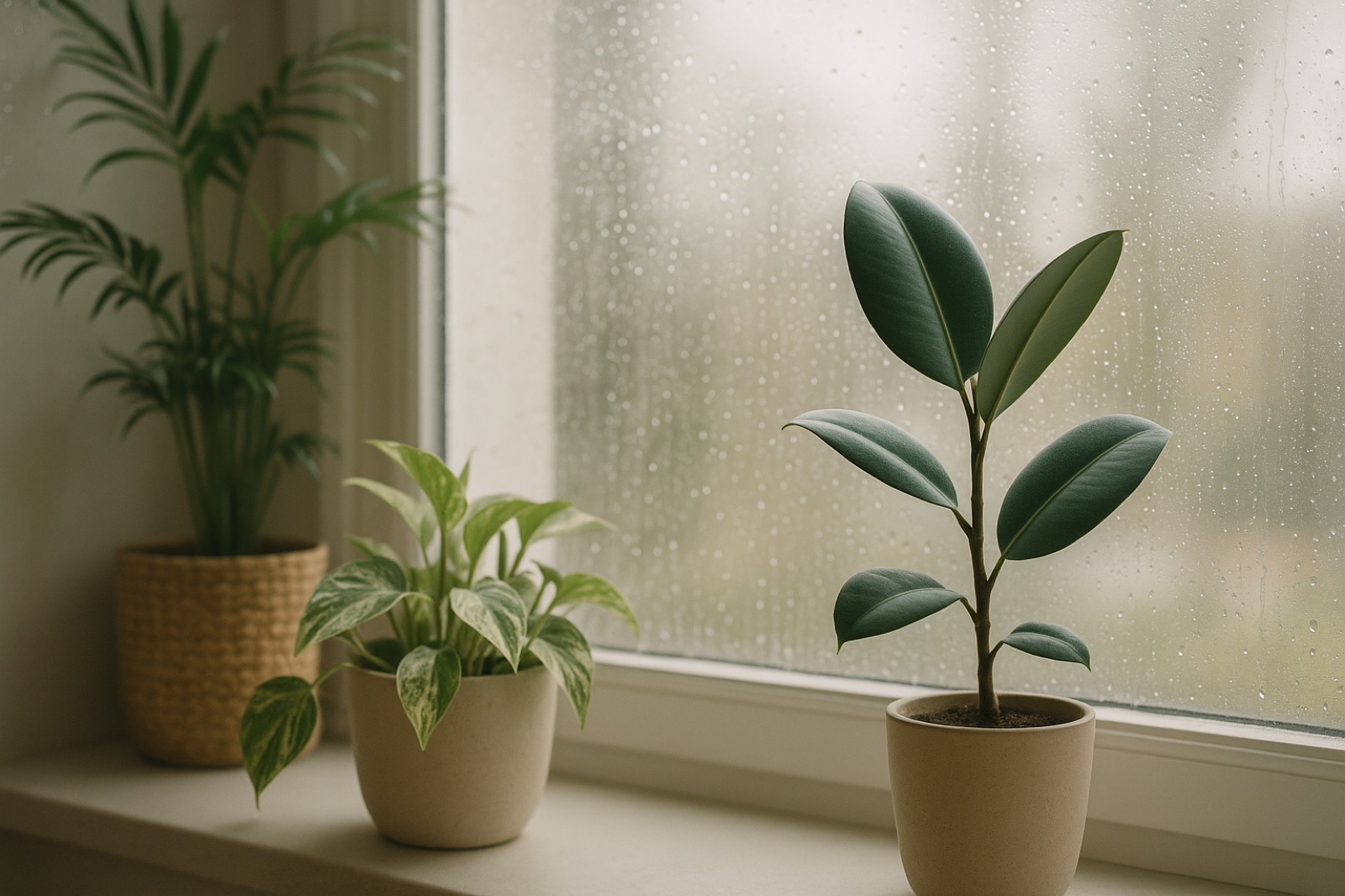
Air quality is a crucial aspect of home wellness that is often overlooked. Poor indoor air can lead to a range of health issues, from allergies to respiratory problems. Understanding how to maintain optimal air quality in your home can significantly benefit your family's well-being.
Common Indoor Air Pollutants
Indoor air can be contaminated by various pollutants, including dust, mold, pet dander, and chemicals from household products. Additionally, ventilation issues can cause these pollutants to accumulate. According to the Centers for Disease Control and Prevention, good air quality is essential for health but can be compromised by everyday activities.
Practical Steps to Improve Air Quality
1. **Ventilate Your Home**: Regularly open windows to allow fresh air to circulate, especially when cooking or using cleaning products. If outdoor air quality is poor, consider using air purifiers with HEPA filters.
2. **Control Humidity**: Maintain indoor humidity levels between 30% and 50% to prevent mold growth. Use dehumidifiers in damp areas like basements and bathrooms.
3. **Regular Cleaning**: Dust and vacuum your home frequently to minimize dust and allergens. Choose vacuum cleaners equipped with HEPA filters to trap small particles effectively.
4. **Mind Your Products**: Opt for low-VOC (volatile organic compound) paints, cleaning products, and furnishings. These products release fewer harmful chemicals into the air.
Awareness of Current Health Trends
Staying informed about health issues related to food and water can help you understand the broader context of home wellness. For example, recent outbreaks of cyclospora, a parasitic infection causing severe gastrointestinal issues, have highlighted the importance of food safety and hygiene. The Centers for Disease Control and Prevention noted that "Cyclospora outbreaks causing diarrhea in the US are expected to continue through August" as they investigate potential sources, possibly linked to contaminated food products like lettuce. You can read more about it in this detailed article from The Guardian.
Air Quality and Health
Numerous studies have shown a direct link between air quality and health outcomes. Poor indoor air quality can lead to increased respiratory illnesses, headaches, and fatigue. By taking actionable steps to improve the air quality in your home, you can create a healthier environment for your family.
In summary, maintaining good indoor air quality is essential for health and comfort. By implementing simple practices such as regular ventilation, controlling humidity, cleaning frequently, and selecting safer products, you can enhance your home's air quality. With increased awareness of health issues like those highlighted by recent health alerts, it's clear that a proactive approach to air quality can significantly impact overall well-being.