As summer temperatures rise, the importance of maintaining indoor air quality becomes even more pronounced. For many households, especially those without air conditioning, the challenge of keeping cool is compounded by the need to ensure that the air they breathe remains healthy. Recent discussions about extreme heat highlight the significance of practical strategies for improving air quality during heat waves.
Understanding the Risks
Extreme heat can exacerbate existing indoor air quality issues. High temperatures can lead to an increase in the concentration of indoor pollutants, such as volatile organic compounds (VOCs) from household products and materials. As the temperature rises, the natural ventilation in homes may decrease, trapping these pollutants inside. According to a recent article from NPR, those living without air conditioning face unique challenges in coping with heat, necessitating strategies that also address air quality.
Simple Strategies for Better Air Quality
1. **Ventilate Wisely**: Open windows during the cooler parts of the day, like early morning or late evening, to allow fresh air to circulate. This can help dilute indoor pollutants and improve air quality. However, be mindful of outdoor air quality as well. If outdoor conditions are poor, it may be better to keep windows closed.
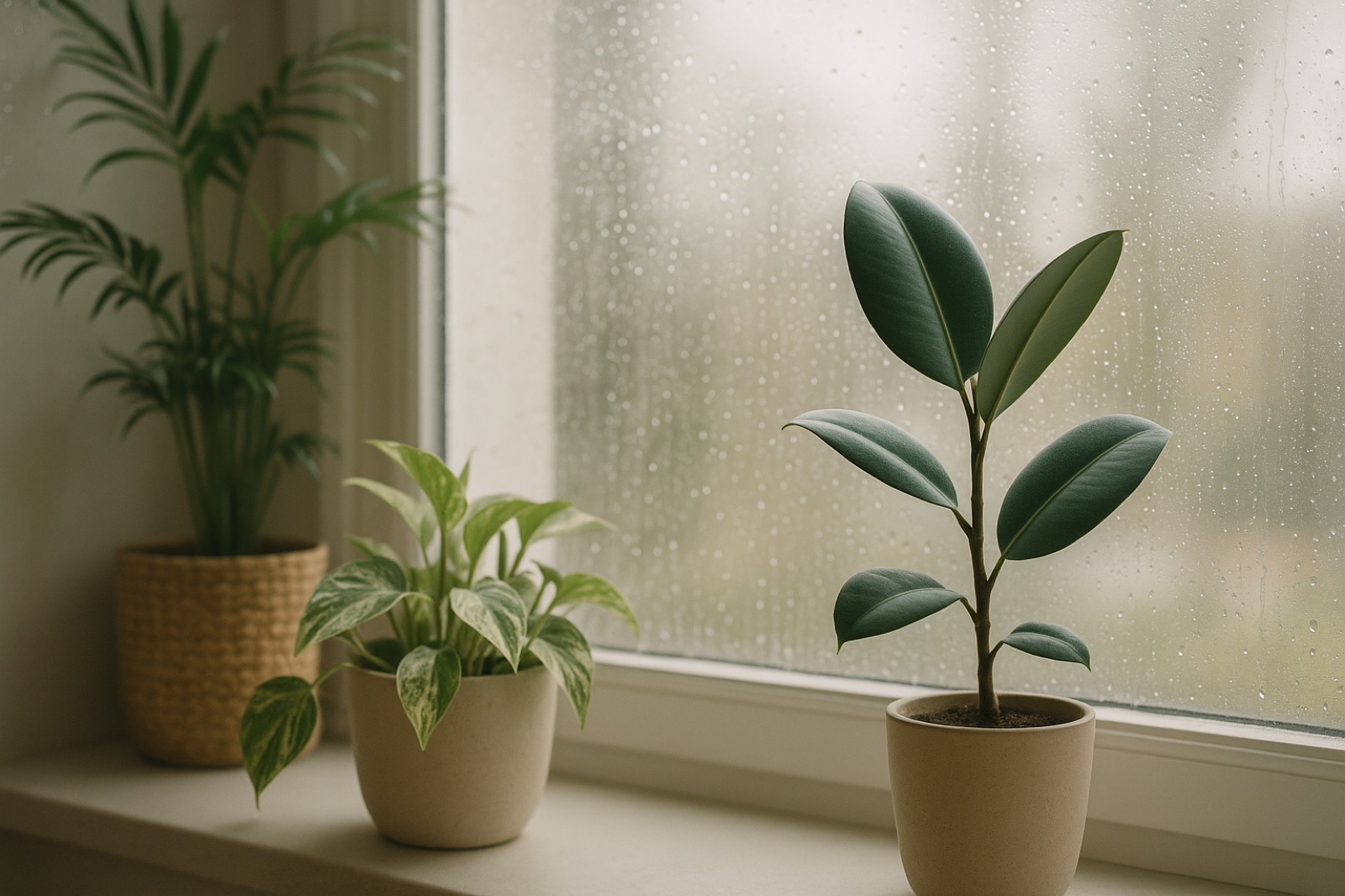
2. **Use Air Purifiers**: Investing in an air purifier can be beneficial. Look for models with HEPA filters that can effectively remove particles from the air, including dust, pollen, and pet dander. Some air purifiers also come with activated carbon filters that can reduce odors and VOCs. 3. **Houseplants as Natural Filters**: Certain houseplants can help improve indoor air quality by absorbing pollutants. Plants such as spider plants, peace lilies, and snake plants not only enhance aesthetic appeal but also contribute to cleaner air. Just be cautious of water accumulation in plant pots, as this can lead to mold growth if not properly managed. 4. **Limit Indoor Pollutants**: Reducing the use of aerosol sprays, scented candles, and synthetic air fresheners can decrease indoor air pollution. Opt for natural alternatives whenever possible. Additionally, regular cleaning can help minimize dust accumulation and other allergens. 5. **Monitor Humidity Levels**: High humidity can lead to mold growth and worsen indoor air quality. Utilizing dehumidifiers can help maintain an optimal indoor humidity level, ideally between 30% and 50%. This range discourages mold and dust mites, both of which thrive in humid conditions.Stay Informed and Prepared
As the summer heat intensifies, being proactive about indoor air quality can make a significant difference. Families should remain informed about their local air quality index and adjust their indoor activities accordingly. For example, if outdoor air quality is poor, it may be best to avoid opening windows or engaging in outdoor activities.
In summary, while extreme heat poses challenges for many households, especially those without air conditioning, there are practical steps that can be taken to maintain and improve indoor air quality. By implementing these strategies, families can create a healthier indoor environment that mitigates the effects of heat, ensuring a comfortable and safe living space.