As summer temperatures rise, many households turn to air conditioning as the primary solution for staying cool. However, not everyone has access to air conditioning, and extreme heat conditions can pose challenges for those without this resource. Recent discussions have highlighted the need for alternative strategies to cope with rising temperatures.
The Challenge of Extreme Heat
This summer, forecasts indicate that many regions are likely to face periods of extreme heat. In an NPR article, Gulrez Shah Azhar emphasizes that many people manage to keep cool without air conditioning by employing various techniques. Understanding these methods can help you create a more comfortable environment at home during the hottest months.
Practical Tips for Staying Cool
1. **Use Fans Wisely**: Ceiling fans or portable fans can circulate air effectively. To maximize their cooling effect, run fans counterclockwise in the summer. This creates a wind-chill effect that can make you feel cooler.
2. **Close Windows and Shades**: During the hottest parts of the day, keep windows and blinds closed to minimize heat entering your home. Light-colored shades can reflect heat away, while insulated curtains can keep cooler air in.
3. **Create Cross-Ventilation**: If it cools down at night, open windows to create a cross-breeze. You can enhance this effect by placing fans in windows to pull in cooler air, pushing warmer air out.
4. **Stay Hydrated**: Keep your body cool by drinking plenty of water. Hydration helps regulate body temperature and can make you feel more comfortable.
5. **Adjust Your Routine**: Plan activities for cooler times of the day. If possible, do chores like cooking or laundry during early morning or late evening when temperatures are lower.
Natural Cooling Techniques
Embracing natural methods can also contribute to a cooler indoor environment. Consider these suggestions:
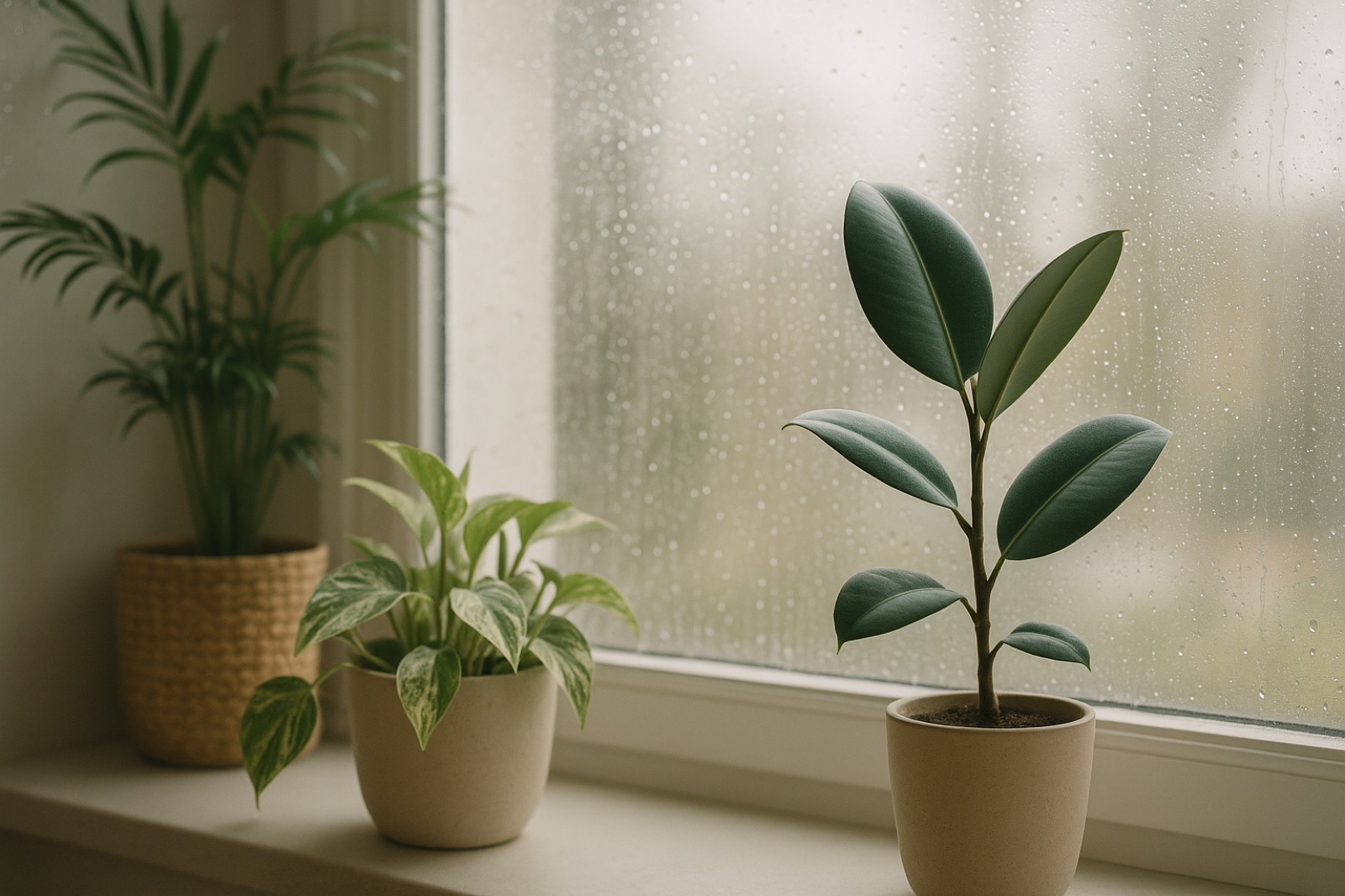
1. **Houseplants**: Not only do plants improve indoor air quality, but they can also offer a cooling effect through the process of transpiration. Adding greenery to your home can make the atmosphere feel fresher.
2. **Avoid Heat-Producing Appliances**: Reduce the use of ovens and stoves, which can add unnecessary heat to your home. Instead, choose no-cook meals or use microwave ovens and slow cookers that generate less heat.
3. **Cool Showers**: Taking a cool shower can provide immediate relief from the heat. You can also soak your feet in cool water to help lower body temperature.
Community Resources and Support
For those particularly struggling with extreme heat, local community programs may offer cooling centers or support services. It is essential to stay informed about available resources, especially during heat waves.
In summary, while air conditioning can be a great relief in the summer heat, there are many practical ways to keep your home cool without it. By utilizing fans, creating cross-ventilation, and staying hydrated, you can find comfort during hot days. The insights shared in the NPR article underscore the adaptability needed to navigate extreme weather effectively, ensuring you can maintain a pleasant living environment throughout the summer months.