Indoor air quality is an essential aspect of maintaining a healthy home environment. Poor air quality can lead to various health issues, including respiratory problems, fatigue, and headaches. Fortunately, there are straightforward steps you can take to enhance the air quality in your home without needing to resort to expensive or complicated solutions.
What Affects Indoor Air Quality?
Several factors can influence the quality of the air inside your home. Common pollutants include dust, mold, pet dander, and volatile organic compounds (VOCs) emitted from household products such as cleaning supplies, paints, and furnishings. Additionally, outdoor air pollution can seep into indoor spaces, further impacting air quality.
Practical Steps to Improve Air Quality
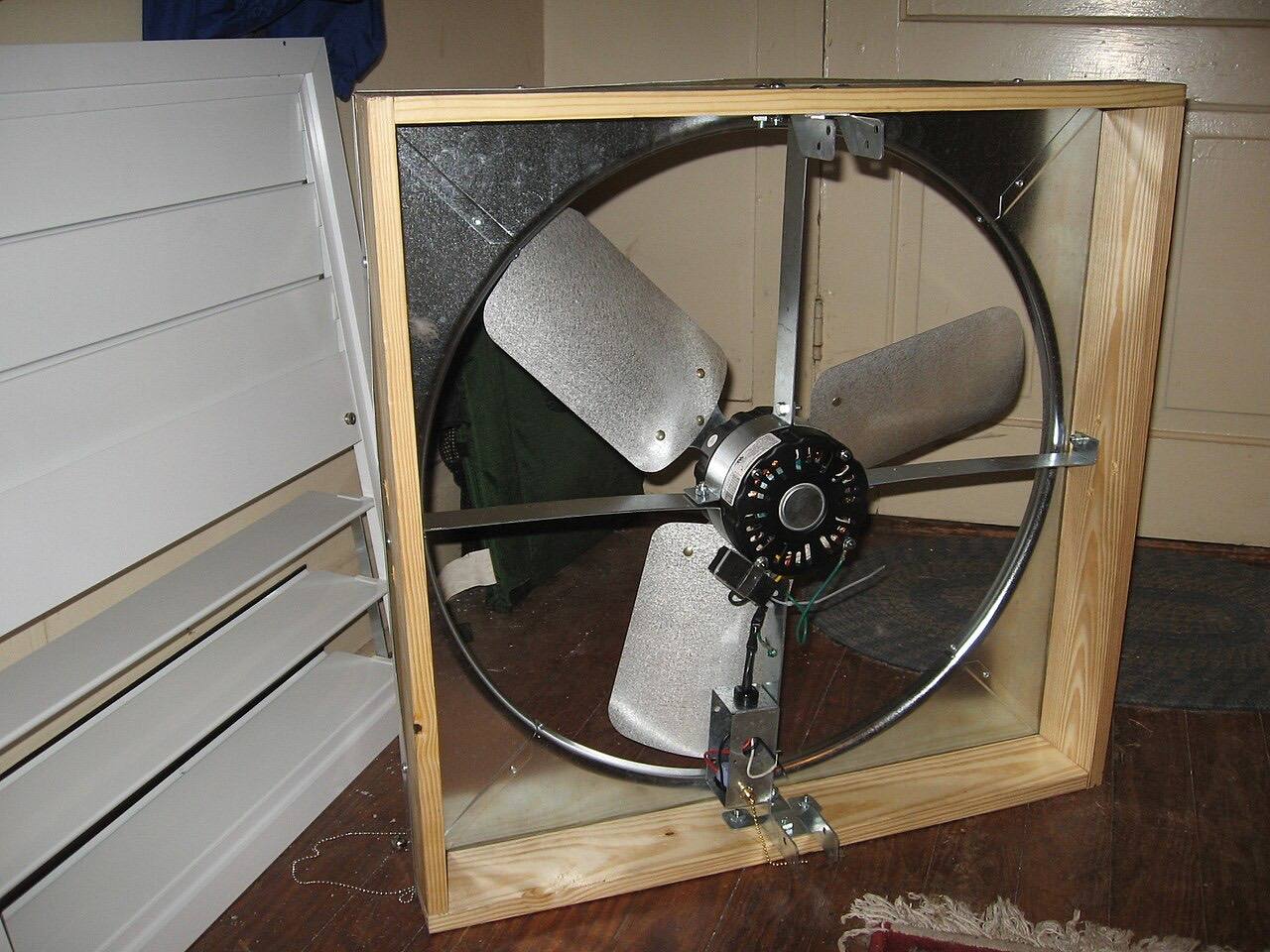
1. Ventilation: One of the simplest methods to improve indoor air quality is to ensure proper ventilation. Open windows when weather permits to allow fresh air circulation. Use exhaust fans in kitchens and bathrooms to remove excess moisture and odors.
2. Air Purifiers: High-quality air purifiers can help remove particulate matter from the air. Look for models with HEPA filters, which are designed to capture small particles that can affect respiratory health.
3. Humidity Control: Maintaining indoor humidity levels between 30% and 50% is recommended for optimal comfort and health. Use a dehumidifier in damp areas, like basements, to prevent mold growth. Regularly check for leaks and repair them promptly to avoid moisture buildup.
4. Regular Cleaning: Keep your home clean by dusting and vacuuming regularly. Use a vacuum with a HEPA filter to capture allergens. Wash bedding and rugs frequently to minimize dust mites and allergens.
5. Choose Low-VOC Products: When purchasing furniture, paint, or cleaning supplies, look for low-VOC or non-toxic options. These products can significantly reduce the number of harmful chemicals released into your indoor air.
Stay Informed with Current Research
Research continually sheds light on how environmental factors affect health. For example, an article from NPR discusses how the extreme biology of pythons may have implications for understanding human health. While this may seem unrelated, it underscores the importance of studying environmental impacts on health, including those found in our homes.
Conclusion
Improving indoor air quality does not require drastic measures. By taking simple actions like ensuring good ventilation, using air purifiers, controlling humidity, and choosing safer products, you can create a healthier home environment. Staying informed about how various factors can affect your health will empower you to make choices that benefit both your family and your well-being.