Indoor air quality is an essential aspect of a healthy home environment. With many of us spending over 90% of our time indoors, it is crucial to ensure that the air we breathe is clean and free from pollutants. This article will provide practical steps to enhance indoor air quality based on current understanding and best practices.
Common Indoor Air Pollutants
Before diving into solutions, it is essential to recognize common indoor air pollutants. These include volatile organic compounds (VOCs) emitted from paints, cleaning products, and furnishings, as well as particulate matter from dust, mold, and pet dander. Additionally, outdoor pollutants can enter the home, especially in urban areas.
Ventilation is Key
One of the simplest and most effective ways to improve indoor air quality is through proper ventilation. This can be achieved by opening windows and doors to allow fresh air to circulate. If outdoor air quality is a concern, using exhaust fans in kitchens and bathrooms can help remove excess moisture and contaminants. Additionally, consider using air purifiers with HEPA filters, which can capture fine particles and some VOCs.
Control Humidity Levels
Maintaining appropriate humidity levels is vital for preventing mold growth and improving comfort. Ideally, indoor humidity should be kept between 30% and 50%. You can use dehumidifiers in damp areas like basements or bathrooms to control moisture levels. Regularly check for leaks in plumbing and roofs to prevent conditions that promote mold.
Choose Low-Emission Products
When selecting furniture, paints, and cleaning products, look for low-VOC or zero-VOC options. Many manufacturers now offer products designed to have less impact on indoor air quality. Additionally, consider using natural cleaning solutions, such as vinegar and baking soda, which can effectively clean without introducing harmful chemicals into your home.
Regular Cleaning Practices
Implementing regular cleaning routines can also help in reducing indoor air pollutants. Vacuum carpets and rugs frequently, using a vacuum cleaner equipped with a HEPA filter. Dust surfaces with a damp cloth to avoid stirring up allergens. Don't forget to clean air vents and replace filters in heating and cooling systems as recommended by manufacturers.
Be Mindful of Indoor Plants
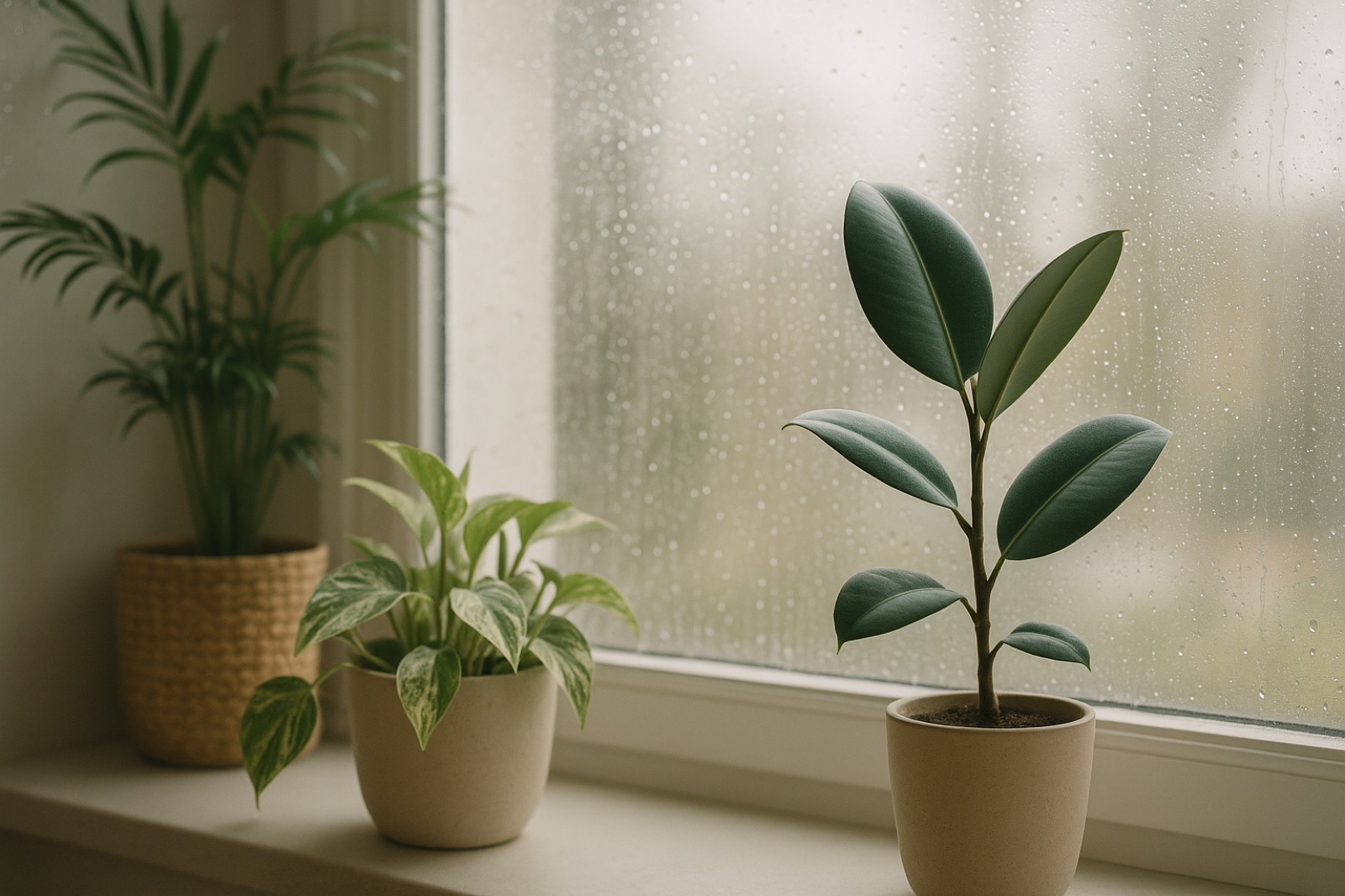
Indoor plants can improve air quality by absorbing carbon dioxide and releasing oxygen. However, be cautious with certain species that can contribute to mold growth or may be harmful to pets. Popular air-purifying plants include spider plants, peace lilies, and snake plants, which are generally safe and effective.
Stay Informed about Outdoor Air Quality
Finally, staying aware of outdoor air quality can help inform when to ventilate your home. If air quality alerts are issued in your area, particularly regarding pollutants like ozone or particulate matter, it may be wise to keep windows closed and use air conditioning to circulate filtered air instead.
By taking these steps, you can create a healthier indoor environment for you and your family. Acknowledge that while some pollutants are unavoidable, proactive measures can significantly enhance your home's air quality and overall well-being.
For further information on health-related topics, be sure to refer to resources from reputable outlets. For instance, a recent NPR article discusses health concerns surrounding infectious diseases, emphasizing the importance of maintaining a safe home environment.