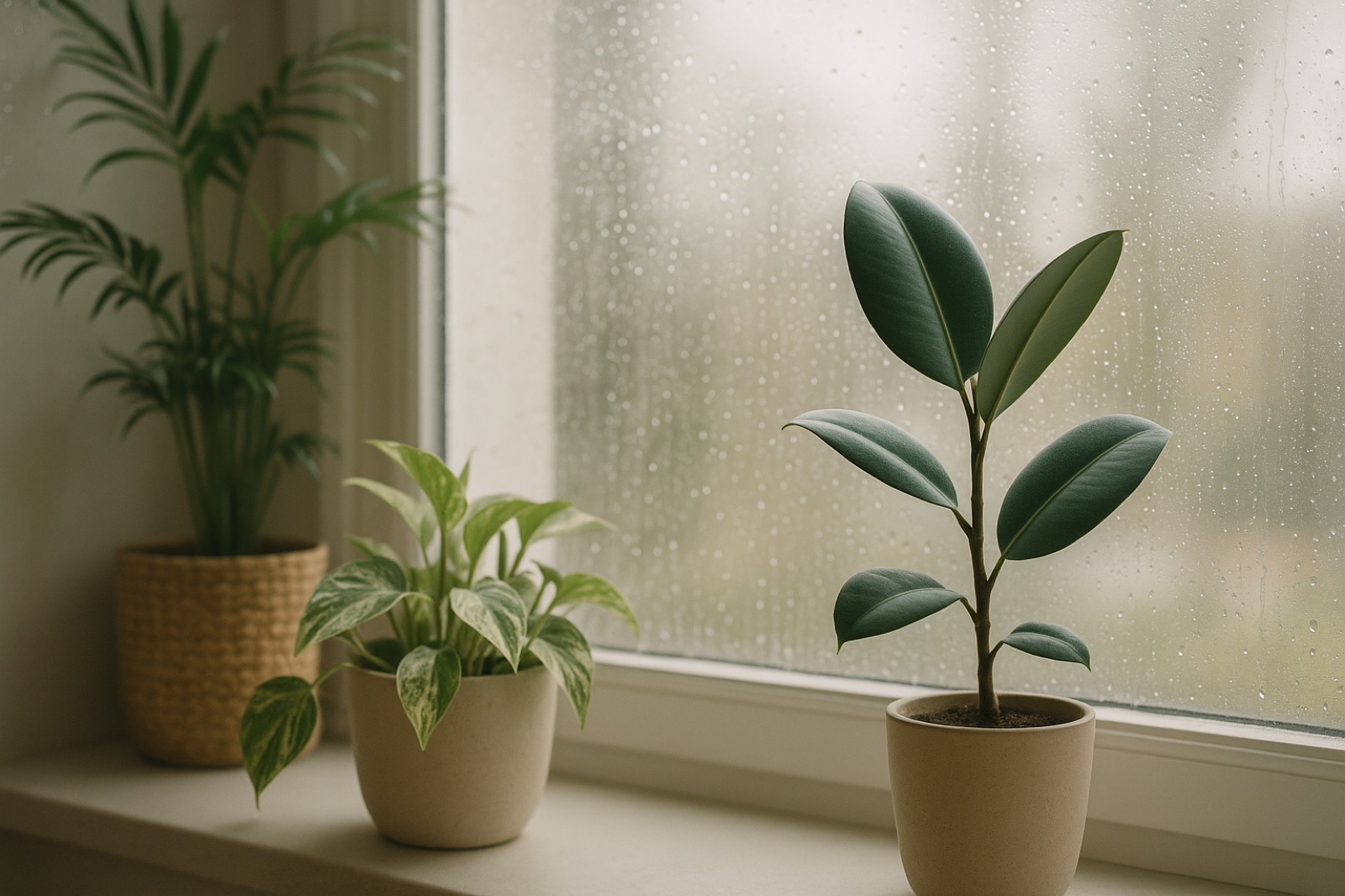
Indoor air quality is an essential aspect of maintaining a healthy home environment. Many people may not realize that the air inside their homes can be more polluted than the air outside. As awareness grows about the importance of indoor air quality, families can take practical steps to ensure their living spaces support their health.
Why Indoor Air Quality Matters
Numerous factors contribute to indoor air pollution, including dust, pet dander, mold, and chemical pollutants from household products. According to the Centers for Disease Control and Prevention (CDC), poor indoor air quality can exacerbate asthma and allergic reactions, and may lead to other health problems over time. Given the current discussions surrounding public health, including the confirmation hearings for CDC director nominee Erica Schwartz, it is essential to recognize the need for effective leadership in addressing health issues that include environmental concerns such as air quality.
Common Sources of Indoor Air Pollution
Indoor air pollution can arise from various sources. Some common contributors include:
- Household cleaners and chemicals: Many cleaning products and air fresheners release volatile organic compounds (VOCs) into the air, which can irritate the respiratory system.
- Mold: Mold can grow in damp areas of the home and release spores into the air, causing allergies and other respiratory issues.
- Dust and allergens: Dust mites, pet dander, and pollen can accumulate in the home, aggravating allergies and asthma.
- Cooking and combustion: Gas stoves and fireplaces can emit carbon monoxide and nitrogen dioxide, which are harmful when inhaled indoors.
Practical Steps to Improve Indoor Air Quality
Improving indoor air quality does not require extensive renovations. Simple, practical measures can significantly enhance the air you breathe:
- Ventilation: Ensure proper ventilation by opening windows when weather permits. This allows fresh air to circulate and helps reduce indoor pollutants.
- Air purification: Consider using air purifiers with HEPA filters to capture airborne particles such as dust, pollen, and pet dander.
- Regular cleaning: Dust and vacuum regularly, using vacuums equipped with HEPA filters. This practice can help minimize the buildup of allergens.
- Control humidity: Maintain indoor humidity levels between 30-50% to discourage mold growth. Dehumidifiers can be beneficial in damp areas.
- Choose low-VOC products: When purchasing paints, finishes, and cleaning supplies, look for products labeled as low-VOC or VOC-free to reduce harmful emissions.
Staying Informed and Engaged
Given the recent concerns highlighted in stories about health leadership and public awareness, such as the CDC director nominee Erica Schwartz's confirmation hearing, it is crucial for families to remain informed about health issues that affect their environments. Engaging with community resources and updates about air quality can empower families to take action towards healthier homes.
Conclusion
Improving indoor air quality is achievable and essential for family well-being. By taking simple steps to address common sources of pollution, families can create a healthier living environment. As public health discussions evolve, maintaining clean indoor air should be a priority for all households.