When it comes to maintaining a healthy home environment, indoor air quality is a crucial factor that can influence overall family wellness. Recent discussions surrounding health disparities shed light on how these issues intersect with air quality, particularly for marginalized communities.
The Importance of Indoor Air Quality
Indoor air quality refers to the condition of the air within buildings and structures, especially as it relates to the health and comfort of the occupants. Poor air quality can result from various sources, including mold, pet dander, dust mites, and volatile organic compounds (VOCs) emitted from household products. Maintaining optimal indoor air quality can significantly reduce the risk of respiratory problems, allergies, and other health concerns.
Health Disparities and Environmental Factors
Research has shown that certain groups face more significant health risks due to environmental factors, including air quality. According to a report from NPR, funding disruptions have impacted cancer disparities research, highlighting how systemic issues can slow progress in addressing health inequities. These disparities can be exacerbated by poor air quality in urban environments, where lower-income households often reside near industrial areas or high-traffic roads, leading to increased exposure to pollutants.
Practical Steps to Improve Indoor Air Quality
Improving indoor air quality is a practical step that homeowners can take to enhance the health of their family members while also contributing to broader health equity efforts. Here are some straightforward strategies:
- Ventilation: Ensure your home is well-ventilated. Open windows when weather permits or use exhaust fans in kitchens and bathrooms to help remove moisture and pollutants.
- Air Purifiers: Consider using HEPA air purifiers to reduce allergens and pollutants in your home, especially if you have pets or family members with allergies.
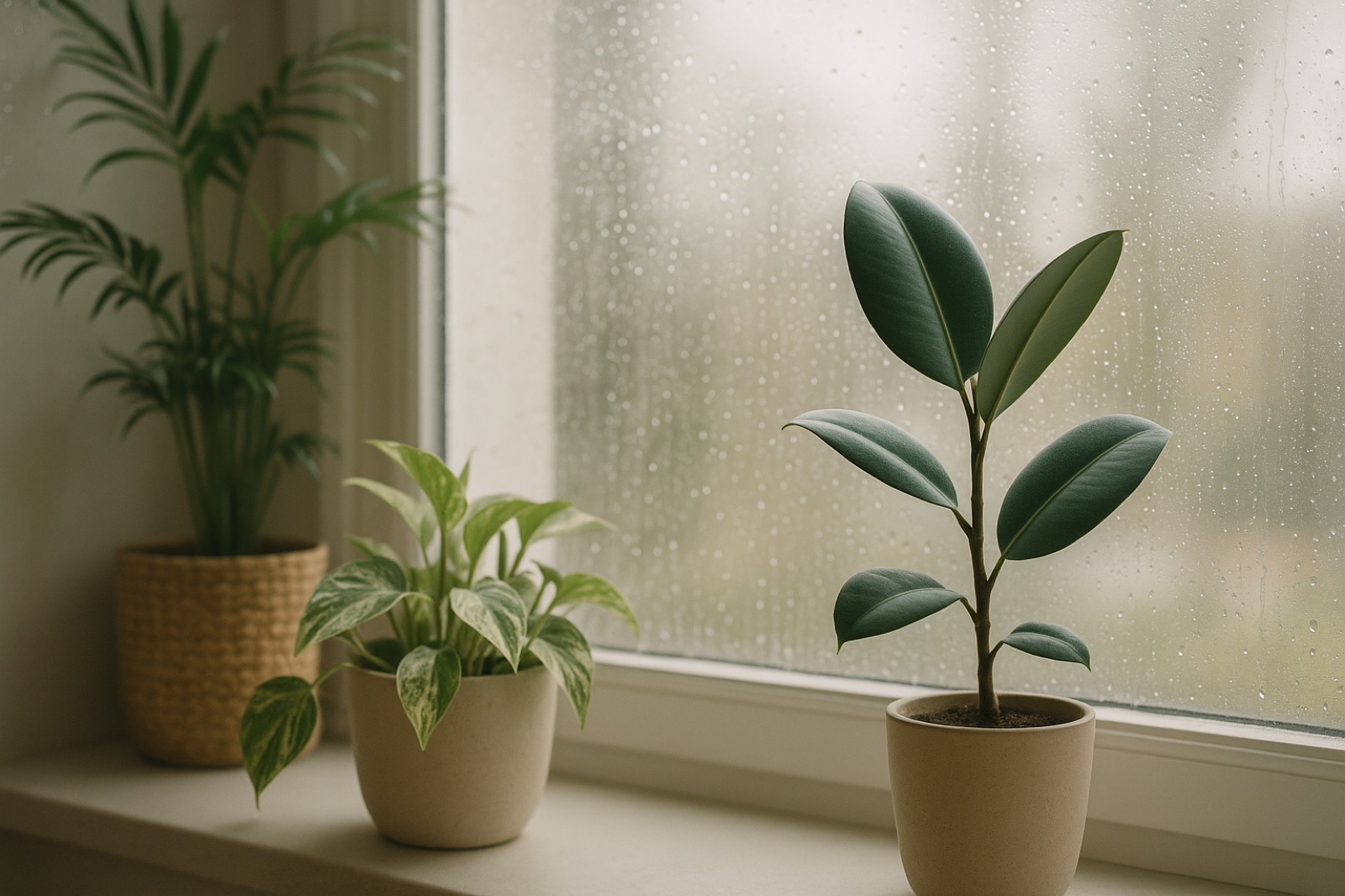
- Houseplants: Certain indoor plants can help improve air quality by filtering out toxins and increasing humidity. Examples include spider plants, peace lilies, and snake plants.
- Regular Cleaning: Regularly clean your home to reduce dust buildup. This includes vacuuming carpets, washing bedding, and dusting surfaces.
- Monitor Humidity: Keep indoor humidity levels between 30% and 50% to prevent mold growth. Use dehumidifiers in damp areas like basements.
Advocating for Change
Individual actions are essential, but larger systemic change is also necessary to address health disparities. Communities can advocate for policies that enhance air quality standards and promote green spaces, especially in areas that face environmental injustice. As noted in a The Guardian article, disparities extend beyond health into training and employment opportunities for black doctors in England. This highlights how interconnected our health systems are and the importance of addressing inequalities holistically.
By focusing on improving indoor air quality in homes and advocating for equitable environmental policies, we can contribute to better health outcomes for all, particularly those disproportionately affected by poor air conditions. As we prioritize our health at home, we also help build a fairer and healthier society.