Indoor air quality (IAQ) is an often-overlooked aspect of maintaining a healthy home. While many people focus on the quality of food and water, the air we breathe indoors can significantly affect our health. Poor air quality can exacerbate respiratory issues, allergies, and even impact mental well-being. This article will provide practical tips for improving indoor air quality, helping you create a healthier living environment for your family.
What Affects Indoor Air Quality?
Several factors can influence the quality of air inside your home. Common indoor air pollutants include volatile organic compounds (VOCs), mold, dust mites, pet dander, and tobacco smoke. These pollutants can originate from various sources, such as cleaning products, building materials, and even furniture.
Recent discussions around health, particularly in response to the COVID-19 pandemic, have highlighted the significance of protecting frontline workers and the general public from environmental hazards. For instance, a letter to The Guardian describes a midwife's ongoing frustration about inadequate protection during the pandemic. This reflects a broader concern about how environments, including air quality, can impact health outcomes.
Practical Steps to Improve Indoor Air Quality
Improving indoor air quality does not have to be complicated. Here are some practical steps you can take:
- Ventilation: Ensure proper ventilation in your home. Opening windows, using exhaust fans in kitchens and bathrooms, and utilizing air exchange systems can help maintain fresh air flow.
- Control Humidity: Keep indoor humidity levels between 30% and 50%. This can prevent mold growth and dust mites. Use dehumidifiers or air conditioners, particularly in damp areas like basements.
- Regular Cleaning: Dust and vacuum your home regularly using a vacuum with a HEPA filter. This helps to reduce allergens such as dust mites and pet dander.
- Choose Low-VOC Products: Opt for paints, finishes, and cleaning products that are labeled as low-VOC. This reduces the number of harmful chemicals released into your indoor air.
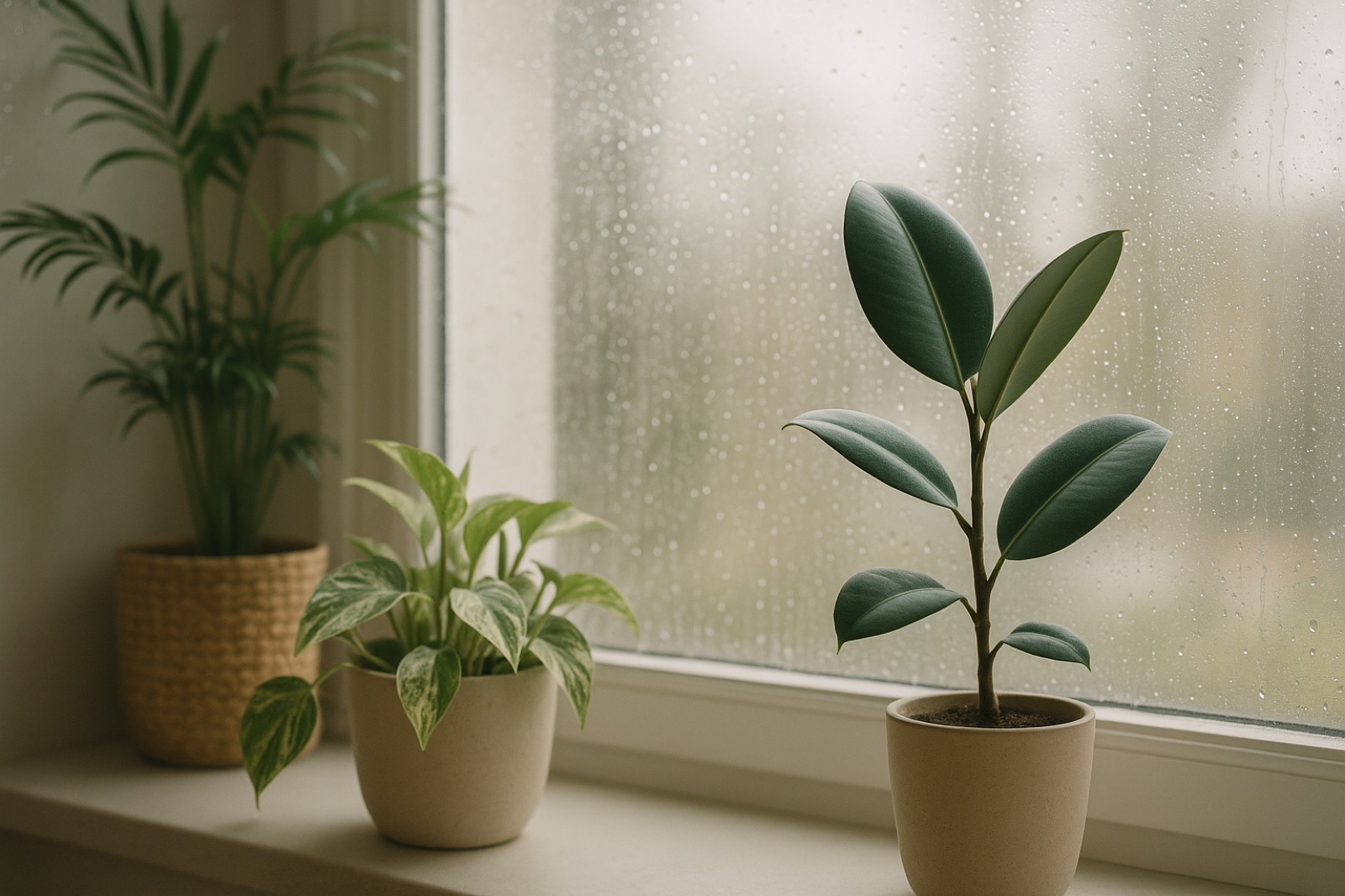
- Houseplants: Incorporating houseplants can improve air quality. Some plants, like spider plants and peace lilies, are known for their ability to absorb certain toxins.
Staying Informed about Air Quality
As we continue to grapple with the ongoing impacts of environmental health issues, staying informed is essential. Recent advancements in health discussions, such as the FDA's approval of new medications for chronic conditions, emphasize the connection between overall health and environmental factors. For example, Merck recently announced FDA approval for a new cholesterol-fighting drug, highlighting the importance of integrating health interventions with broader public health initiatives. You can find more details about this in The Guardian.
Conclusion
Indoor air quality plays a critical role in family health and wellness. By taking proactive steps to improve air quality at home, you can help safeguard your family's health against the impacts of pollutants and allergens. It is essential to stay informed and make small changes that can lead to significant improvements in your home environment.