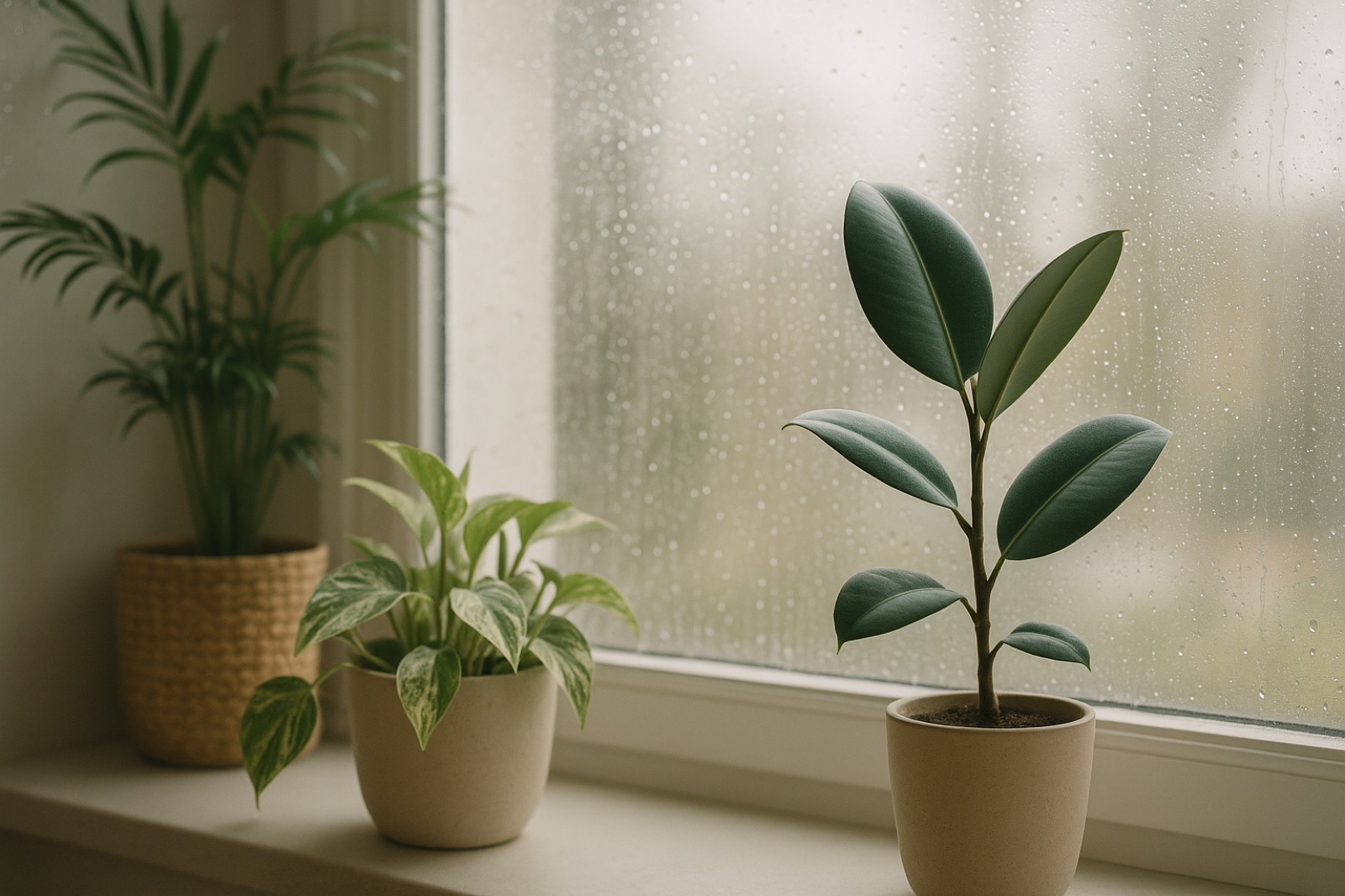
Indoor air quality (IAQ) is a crucial aspect of maintaining a healthy home environment. The air we breathe indoors can significantly impact our overall health and well-being. Poor indoor air quality can lead to a range of health issues, including respiratory problems, allergies, and even long-term diseases.
Understanding Indoor Air Quality
Indoor air quality refers to the condition of the air inside buildings and structures, particularly as it relates to the health and comfort of occupants. Factors that can affect IAQ include pollutants such as dust, mold, pet dander, and volatile organic compounds (VOCs) from household products. Ensuring good ventilation, reducing indoor pollutants, and regularly maintaining heating and cooling systems are vital steps in promoting healthier air.
Current Insights from Health Discussions
Recent discussions around public health have highlighted the importance of addressing environmental factors that can influence our well-being. For instance, a recent report from The Guardian emphasizes the need for healthier environments around schools to combat obesity, which indirectly highlights how our surroundings can affect our overall health. Although this article specifically targets external environmental influences, it underscores a broader trend where public health discussions recognize the importance of creating healthier environments, including the air we breathe at home.
Practical Steps for Improving Indoor Air Quality
Improving indoor air quality doesn't have to be overwhelming. Here are some practical steps you can take to enhance the air quality in your home:
- Increase ventilation: Open windows when weather permits to let fresh air in. Use exhaust fans in kitchens and bathrooms to reduce humidity and remove pollutants.
- Regularly change filters: Ensure that air filters in your HVAC system are changed regularly. This can help to trap dust, allergens, and other harmful particles.
- Control humidity: Use dehumidifiers in areas prone to moisture, such as basements, to prevent mold growth.
- Choose low-VOC products: When purchasing paints, cleaning supplies, and furniture, look for products labeled as low in volatile organic compounds.
- Clean regularly: Regular dusting and vacuuming can help reduce dust and allergens. Consider using a vacuum with a HEPA filter for more effective cleaning.
Connecting Indoor Air Quality and Family Health
The air we breathe at home plays a critical role in our family’s health. By taking proactive steps towards improving indoor air quality, you can help mitigate potential health risks. The consensus among health experts is clear: a clean and well-ventilated home environment is vital for preventing respiratory issues and supporting overall family wellness.
As you consider these factors, remember that making small changes can lead to significant improvements over time. Prioritizing indoor air quality is not just about comfort; it is about creating a nurturing environment for every member of your family.