As extreme weather events become more frequent, understanding how to maintain indoor air quality is essential for health and comfort. Intense heat can exacerbate indoor air quality issues, especially in homes without air conditioning. The importance of fresh air, humidity control, and pollutant reduction cannot be overstated.
Understanding Indoor Air Quality
Indoor air quality refers to the condition of the air within and around buildings, which can significantly impact health and well-being. During extreme weather, factors such as temperature, humidity, and ventilation play critical roles in determining air quality. According to the NPR, “Extreme heat” this summer has prompted discussions about how individuals cope with rising temperatures, particularly in homes lacking air conditioning.
Strategies for Maintaining Indoor Air Quality
Here are some practical strategies to consider for maintaining good indoor air quality in your home:
- Ventilation: Ensure proper ventilation by opening windows when outdoor air quality is good. Use exhaust fans in kitchens and bathrooms to reduce humidity and eliminate indoor pollutants.
- Humidity Control: Maintain indoor humidity levels between 30% and 50%. A dehumidifier can help in managing excess moisture, which can lead to mold growth and dust mites.
- Air Filtration: Use high-efficiency particulate air (HEPA) filters in air purifiers or HVAC systems. These filters can trap dust, pollen, and other allergens, improving air quality.
- Regular Cleaning: Dust and vacuum regularly using a vacuum equipped with a HEPA filter. This helps to reduce allergens and improve air quality.
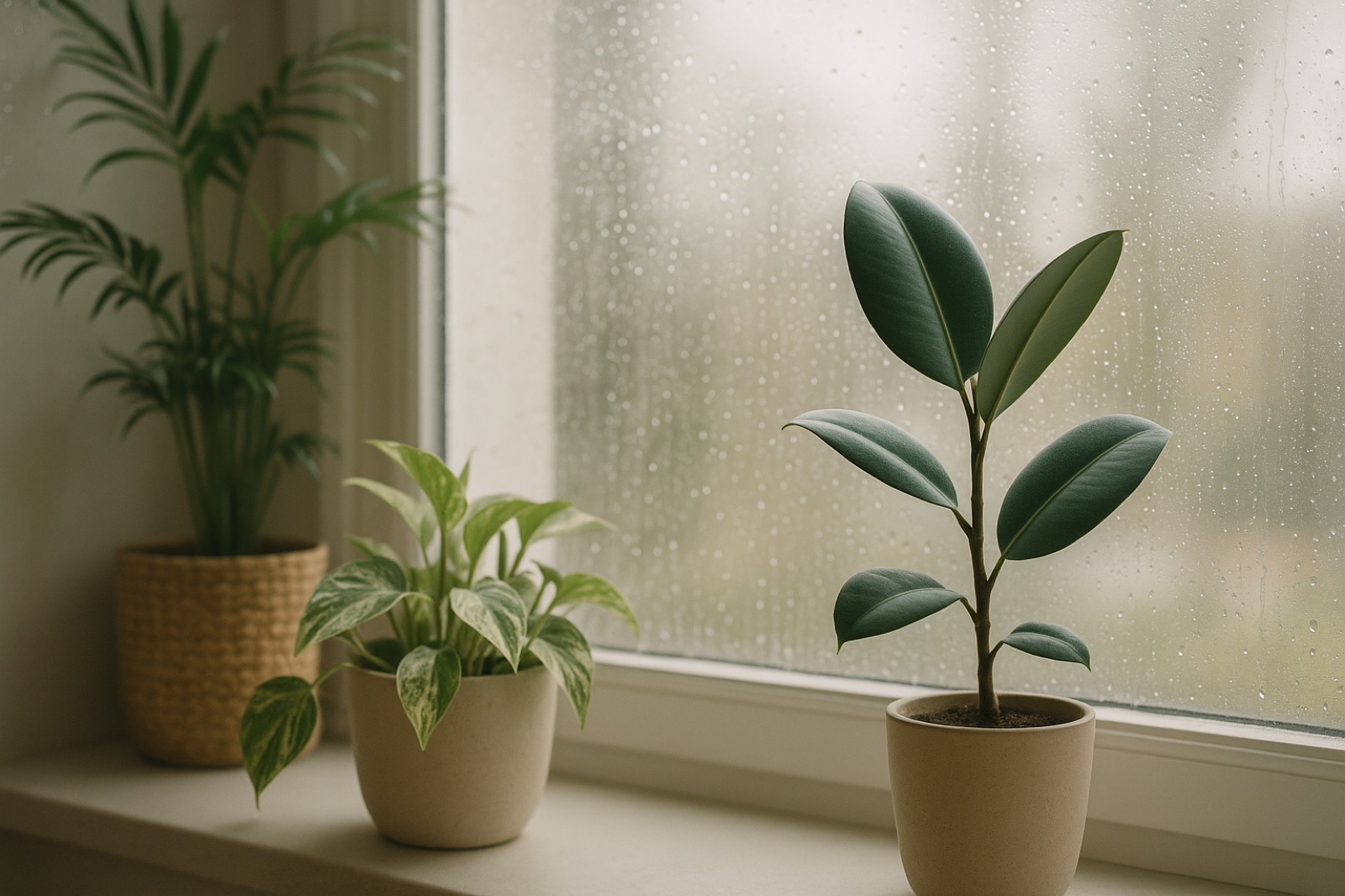
- Plant Life: Consider maintaining indoor plants, which can help improve air quality by absorbing carbon dioxide and releasing oxygen.
Monitoring Air Quality
Utilizing indoor air quality monitors can provide valuable insights into the levels of pollutants in your home. These devices measure factors such as particulate matter, volatile organic compounds, and humidity levels, helping you make informed decisions about when to ventilate or use air purifiers.
Addressing Seasonal Changes
As seasons change, so do air quality challenges. During winter months, for example, heating systems can circulate dust and allergens. Conversely, during the summer, increased humidity can lead to mold growth, particularly in damp areas. It is important to adapt your indoor air quality strategies according to the season.
Conclusion
Maintaining good indoor air quality is crucial for health and comfort, especially during extreme weather events. By incorporating proper ventilation, humidity control, and regular cleaning into your routine, you can create a healthier home environment. As the NPR points out, with the right strategies, you can better cope with the challenges brought on by extreme heat and ensure your indoor environment remains healthy.