As extreme heat becomes more common, ensuring a comfortable and healthy indoor environment is more important than ever. According to a recent report on how to cope during extreme summer heat, many people face challenges in keeping cool without air conditioning. However, maintaining good indoor air quality can help improve comfort levels even during sweltering days.
Understanding Indoor Air Quality
Indoor air quality (IAQ) refers to the condition of the air within and around buildings, particularly as it relates to the health and comfort of the occupants. Poor IAQ can lead to various health issues, including respiratory problems, headaches, and fatigue. During extreme heat, the risk of compromised air quality can increase due to reduced ventilation and elevated outdoor pollutants.
Tips for Improving Indoor Air Quality
Here are several practical strategies to enhance your home's air quality while dealing with high temperatures:
1. Keep Windows Closed During Peak Heat
While it might seem tempting to open windows for a breeze, outdoor air can bring in heat and humidity, which may worsen indoor comfort. Instead, keep windows and doors closed during the hottest parts of the day to maintain cooler indoor temperatures.
2. Use Fans Wisely
Ceiling fans and portable fans can be effective in creating a wind-chill effect, making you feel cooler. Ensure that ceiling fans rotate counterclockwise in summer to push cool air down. Positioning fans near open windows can help channel cooler outdoor air into your home during the evening when temperatures drop.
3. Utilize Exhaust Fans
Exhaust fans in kitchens and bathrooms can help remove excess humidity and pollutants. Running these fans when cooking or showering can significantly improve indoor air quality, especially when combined with other cooling strategies.
4. Incorporate Air Purifiers
Air purifiers equipped with HEPA filters can help remove airborne particles, allergens, and pollutants, thereby improving air quality. This is particularly beneficial during high heat days when air conditioning is not an option.
5. Maintain Indoor Humidity Levels
Keeping indoor humidity levels between 30% and 50% is ideal for comfort and health. Dehumidifiers can be helpful in reducing moisture levels, especially in areas prone to excess humidity, such as basements.
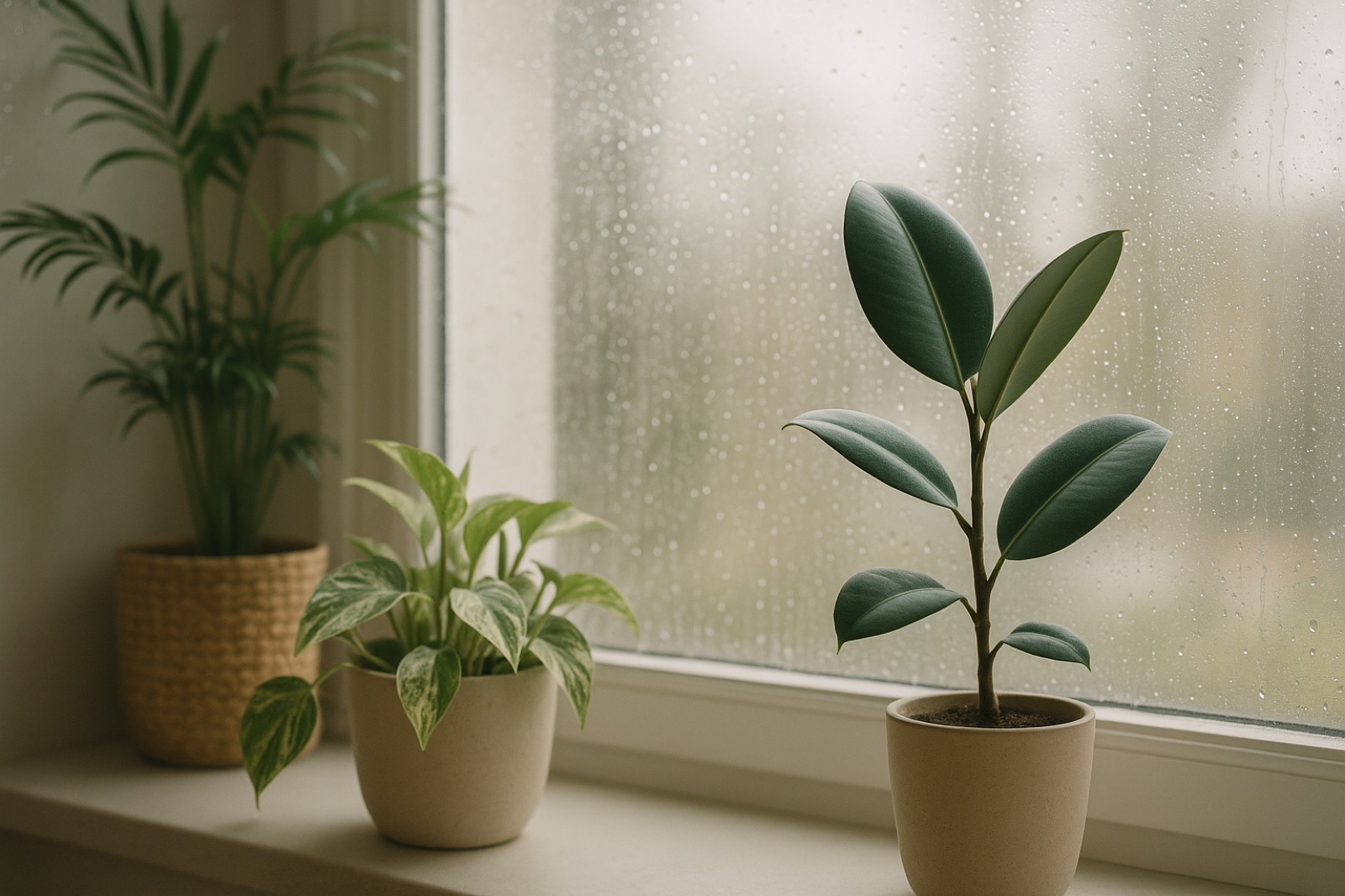
6. Indoor Plants
Certain houseplants can improve air quality by absorbing toxins and releasing oxygen. Some popular choices include spider plants, peace lilies, and snake plants, which are also known for their ability to thrive in various indoor conditions.
7. Limit Indoor Pollutants
Avoid smoking indoors, limit the use of candles and air fresheners, and use non-toxic cleaning products to prevent indoor pollution. These practices help create a healthier indoor environment.
Conclusion
As temperatures rise and heat waves become more frequent, it is crucial to take steps to not only stay cool but also maintain good air quality inside your home. By implementing these strategies, you can enhance your indoor comfort and safeguard your family's health, even during extreme heat. For more insights on staying cool this summer, check out a recent article from NPR that discusses ways to keep cool without air conditioning and offers tips from a heat researcher. You can read it here.