Ensuring that the air in your home is clean and healthy is vital for your family's overall well-being. Poor indoor air quality can lead to various health concerns, including respiratory issues and allergic reactions. Fortunately, there are practical steps you can take to improve the air quality in your home without needing specialized knowledge or expensive equipment.
Recognize Common Sources of Indoor Air Pollution
Many household items can contribute to poor air quality. These include cleaning products, paints, and even furniture. Volatile organic compounds (VOCs) are often found in these items, and they can evaporate into the air, leading to health issues. As a starting point, consider switching to non-toxic, eco-friendly cleaners and paints whenever possible. Additionally, allowing freshly painted rooms to ventilate before using them can help decrease VOC levels.
Maintain Proper Ventilation
Good ventilation is essential for improving indoor air quality. Regularly open windows to let fresh air circulate throughout your home. If outdoor air quality is poor, using exhaust fans in kitchens and bathrooms can help remove indoor pollutants. During periods of high outdoor pollution, consider using air purifiers equipped with HEPA filters to trap harmful particles.
Control Humidity Levels
Excess moisture can promote the growth of mold and dust mites, both of which can adversely affect air quality and trigger allergies. Aim to keep indoor humidity levels between 30% and 50%. You can use dehumidifiers in damp areas or bathrooms, and ensure that areas prone to moisture, such as basements, are well-ventilated. Regularly checking for leaks and fixing them promptly can also help control moisture levels.
Invest in Indoor Plants
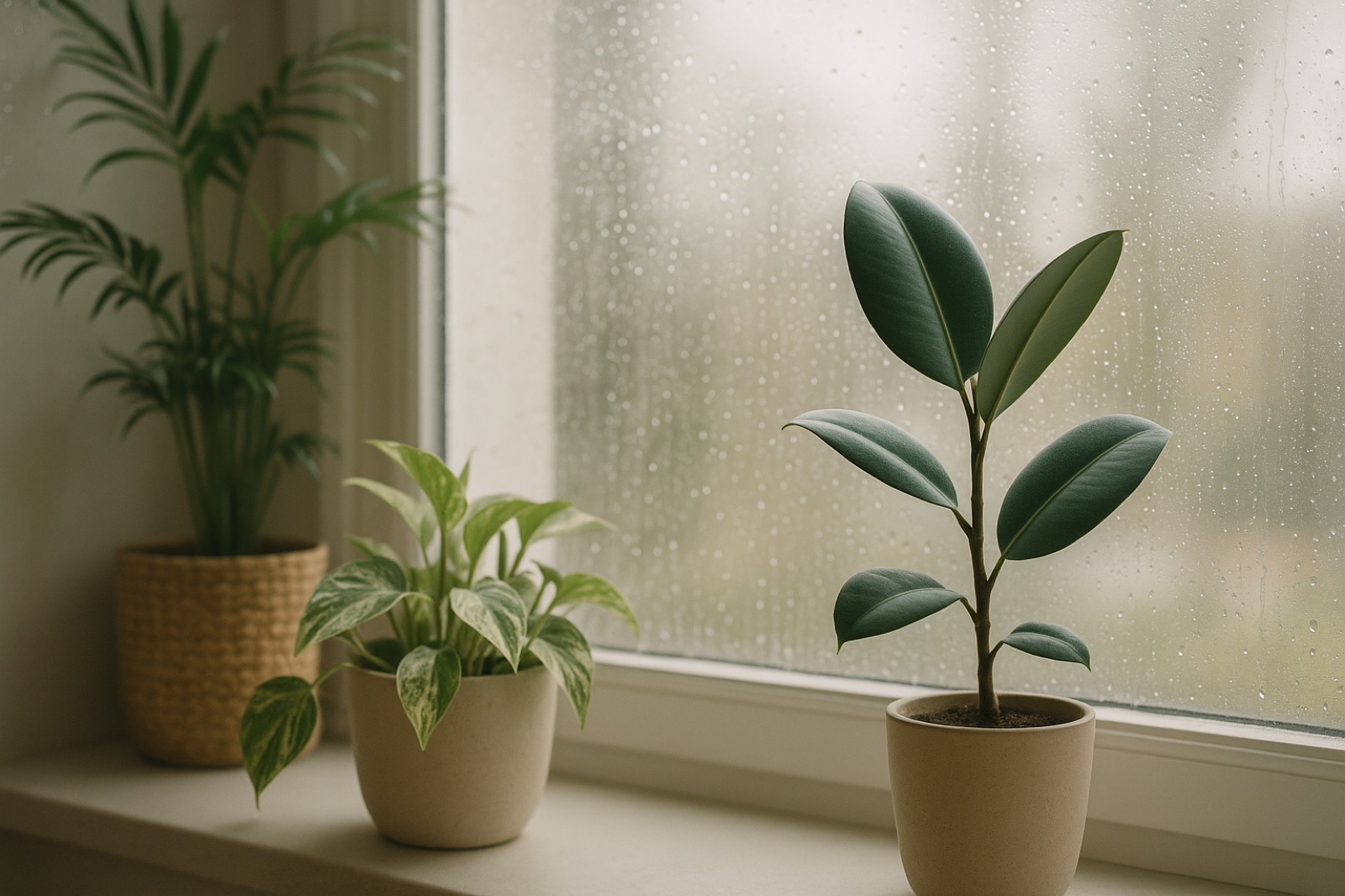
Plants do more than just beautify your space; they can also enhance air quality. Certain plants are particularly effective at filtering out pollutants. For instance, spider plants and peace lilies can help remove formaldehyde and benzene from the air. While the impact of indoor plants may not completely replace the need for proper ventilation or air purifiers, they can certainly contribute positively to your home's air quality.
Stay Informed About Environmental Issues
Keeping an eye on broader environmental issues can also play a role in your family's health. For example, discussions around health disparities, as highlighted in recent coverage by NPR, underscore how systemic issues can impact health research and community health outcomes. Understanding the context of environmental policies can empower you in making informed decisions about your home environment.
Regular Maintenance and Cleaning
Regular cleaning can significantly reduce the number of allergens in your home. Vacuum carpets and upholstery frequently, and consider using a vacuum equipped with a HEPA filter. Dust surfaces regularly and wash bedding in hot water to eliminate dust mites. Additionally, replacing air filters in your HVAC system every few months can help improve air quality by trapping more pollutants.
In conclusion, enhancing your indoor air quality is a manageable goal that can lead to significant health benefits for your family. By recognizing sources of pollution, maintaining proper ventilation, controlling humidity, investing in plants, and staying informed, you can create a healthier home environment. Every small step counts towards making your home a safer place to live.