Indoor air quality is a crucial aspect of maintaining a healthy home environment. Poor air quality can lead to a variety of health issues, including respiratory problems, allergies, and fatigue. Fortunately, enhancing the quality of the air in your home doesn't require massive renovations or expensive gadgets. Here are some practical steps you can take to ensure the air you breathe indoors is clean and safe.
Understanding the Sources of Indoor Air Pollution
Various factors can contribute to indoor air pollution, including inadequate ventilation, the use of certain cleaning products, and the presence of allergens like dust, mold, and pet dander. For instance, according to recent discussions highlighted in the media, air quality remains a significant concern for those exposed to harmful pollutants. The Guardian has reported on the ongoing health challenges arising from inadequate protective measures during the pandemic, emphasizing how important it is to be proactive about our environments.
Simple Steps to Improve Air Quality
To begin improving your indoor air quality, consider implementing the following strategies:
- Ventilation: Ensure that your home is well-ventilated. Open windows when air quality permits, and consider using exhaust fans in kitchens and bathrooms to reduce humidity and remove allergens.
- Regular Cleaning: Dust and vacuum your home frequently to minimize allergen accumulation. Use a vacuum with a HEPA filter, which can capture smaller particles effectively.
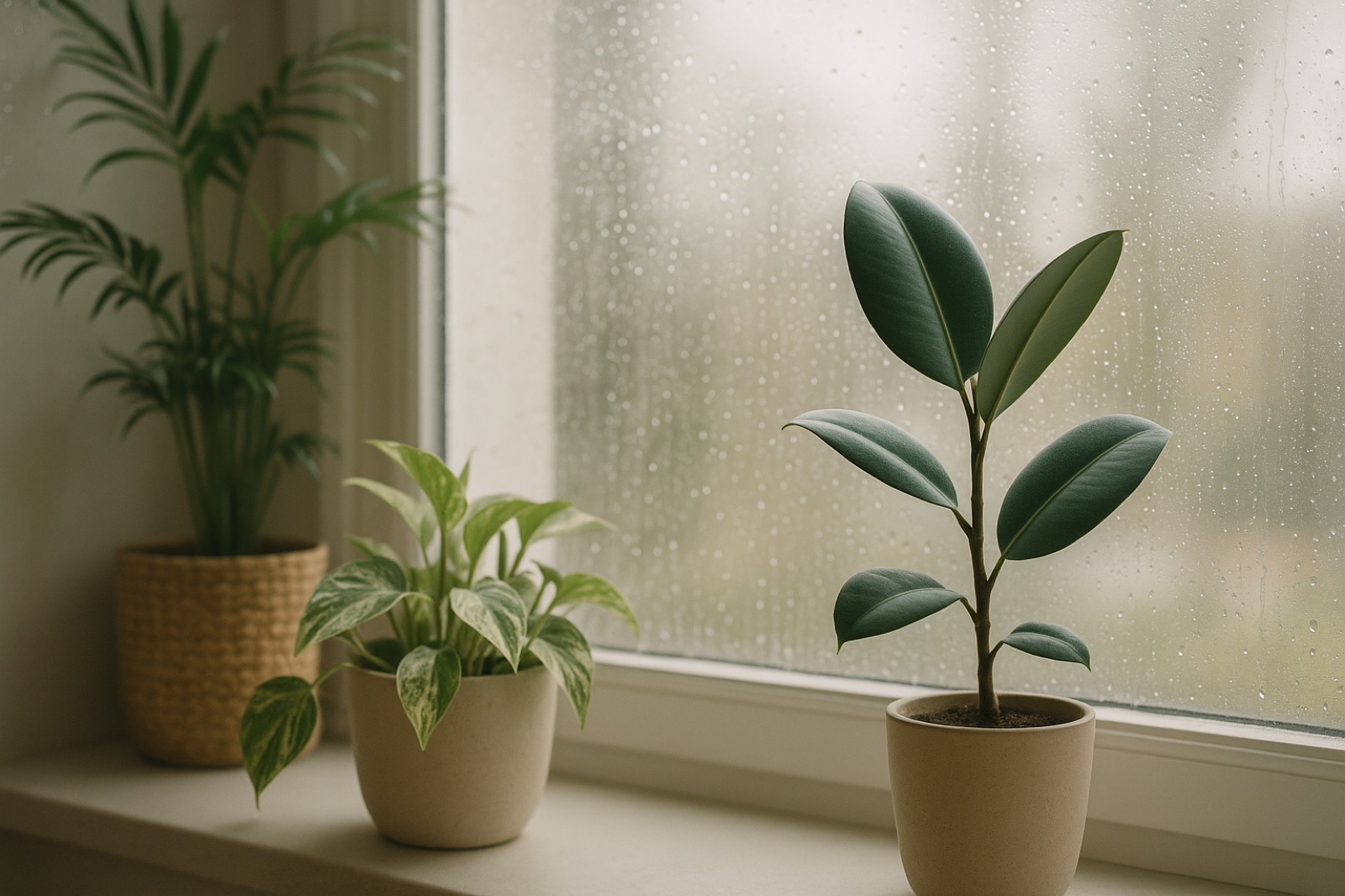
- House Plants: Incorporate houseplants into your decor. Certain plants, such as spider plants and peace lilies, can help filter airborne toxins and improve overall air quality.
- Air Purifiers: If you live in an area with high outdoor pollution or have specific allergies, an air purifier can be a beneficial addition. Look for models with HEPA filters to capture fine particles.
- Use Natural Products: Opt for cleaning products that are free from harsh chemicals. Many commercial cleaners release volatile organic compounds (VOCs) that can linger in the air long after use.
Monitoring Air Quality
Consider investing in an indoor air quality monitor to keep track of pollutants and humidity levels. These devices can provide insights into your home’s air quality and help you identify when you need to take action.
Stay Informed and Engaged
As air quality remains a prominent topic, staying informed about its implications is essential. For instance, recent reports indicate a growing awareness around health conditions linked with inadequate indoor environments. Engaging with ongoing public health discussions, such as those highlighted by The Guardian regarding the importance of safeguarding health in various contexts, helps us understand the broader implications of indoor air quality.
Conclusion
Improving the air quality in your home is a manageable and impactful way to support your family's health. By making small, consistent changes, you can create a healthier indoor environment. Remember, your home should be a sanctuary that promotes wellbeing, not a source of pollution.
For more information on health policies affecting the public, consider exploring discussions from reputable sources like The Guardian, which often provide valuable insights on current health initiatives and their implications for our living conditions.
By taking these steps, you can ensure that the air you breathe at home is as clean and safe as possible.