In recent years, our understanding of mental health has evolved significantly. It is now widely accepted that our living environments play a critical role in shaping our mental wellbeing. From the design of our spaces to the colors we choose and the activities we engage in, each element can impact how we feel and function on a daily basis.
Creating a Supportive Home Environment
Research indicates that a well-organized and aesthetically pleasing home can reduce stress and promote a sense of calm. For instance, the natural light that pours in through windows, the colors on our walls, and the arrangement of furniture can all contribute to a more serene atmosphere. It is helpful to consider how your home reflects your personal style while also promoting comfort and tranquility.
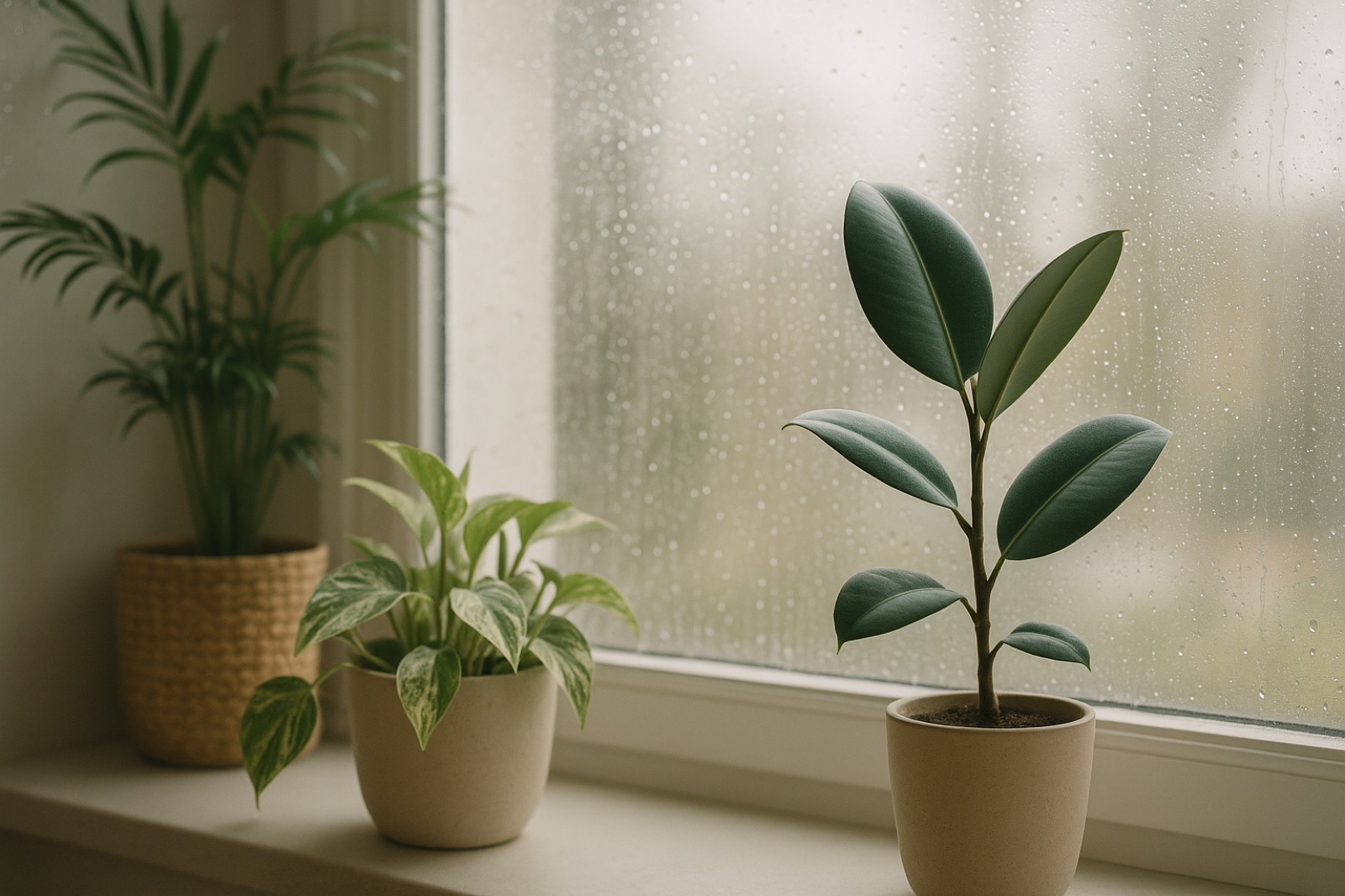
Indoor plants, for example, have been shown to improve air quality and boost mood. According to various studies, being around greenery can enhance feelings of relaxation and overall happiness. Incorporating nature into your home environment through houseplants or even natural imagery can foster a sense of connection to the outdoors, which is vital for mental health.
The Role of Routine and Activity
Establishing a daily routine that includes physical activity and mindfulness practices can also positively influence mental wellbeing. Engaging in activities such as yoga or meditation can provide significant benefits. For example, a recent article from The Guardian highlights how starting a practice like yoga can transform one’s relationship with their body, offering a new perspective on personal health challenges.
When we create spaces in our homes dedicated to activities like yoga or meditation, we are fostering a culture of wellness. A quiet corner with a mat and some cushions can become a personal retreat for mindfulness, helping us to decompress from daily stresses.
Reducing Clutter and Enhancing Focus
Clutter in our living spaces can contribute to feelings of anxiety and overwhelm. Organizing and decluttering can lead to a more peaceful environment. Simple strategies, such as creating designated spaces for items and minimizing distractions, can help improve focus and mental clarity.
One practical tip is to adopt the 'one in, one out' rule. For every new item you bring into your home, consider removing an old one. This practice not only helps to keep your space tidy but also encourages mindful consumption.
Community and Social Connections
Our homes are also central to our social lives. The connections we nurture within our households and with neighbors contribute significantly to our mental health. Regularly inviting friends and family over can foster a sense of community and belonging, which is essential for emotional wellbeing.
Moreover, when we engage with local initiatives or community services, such as those focusing on harm reduction as seen in the recent developments in Bristol reported by The Guardian, we can enhance our sense of purpose and community. This local engagement can provide a positive outlet for stress and contribute to a more fulfilling life.
Final Thoughts
In conclusion, understanding the connection between our home environment and mental wellbeing is crucial for leading a balanced life. By making small changes and fostering healthy routines, we can create spaces that not only support our physical health but also enhance our emotional and mental resilience. The journey towards a healthier home is ongoing, and each step contributes to a more harmonious living experience.