In our quest for a healthier home environment, many homeowners may overlook one critical aspect: indoor air quality. As we spend a significant amount of time indoors, ensuring that our living spaces are filled with clean air is vital for promoting family health and well-being.
Understanding Indoor Air Quality
Indoor air quality (IAQ) refers to the air quality within and around buildings and structures, affecting the health and comfort of occupants. Poor IAQ can lead to a range of issues, from respiratory problems to decreased productivity. Common indoor air pollutants include dust, mold spores, pet dander, volatile organic compounds (VOCs) from household products, and outdoor pollutants that infiltrate our homes.
Why Clean Air Matters
Recent discussions around public health emphasize the importance of maintaining a healthy lifestyle, including our environment. For instance, Dr. Zeke Emanuel's work on optimizing health focuses on foundational practices that contribute to long-term well-being, suggesting that simple changes can lead to significant improvements in health outcomes. This sentiment applies to our indoor environments as well - clean air is a foundational element of good health.
Practical Steps to Improve Indoor Air Quality
Improving the air quality in your home can be achieved through several practical approaches:
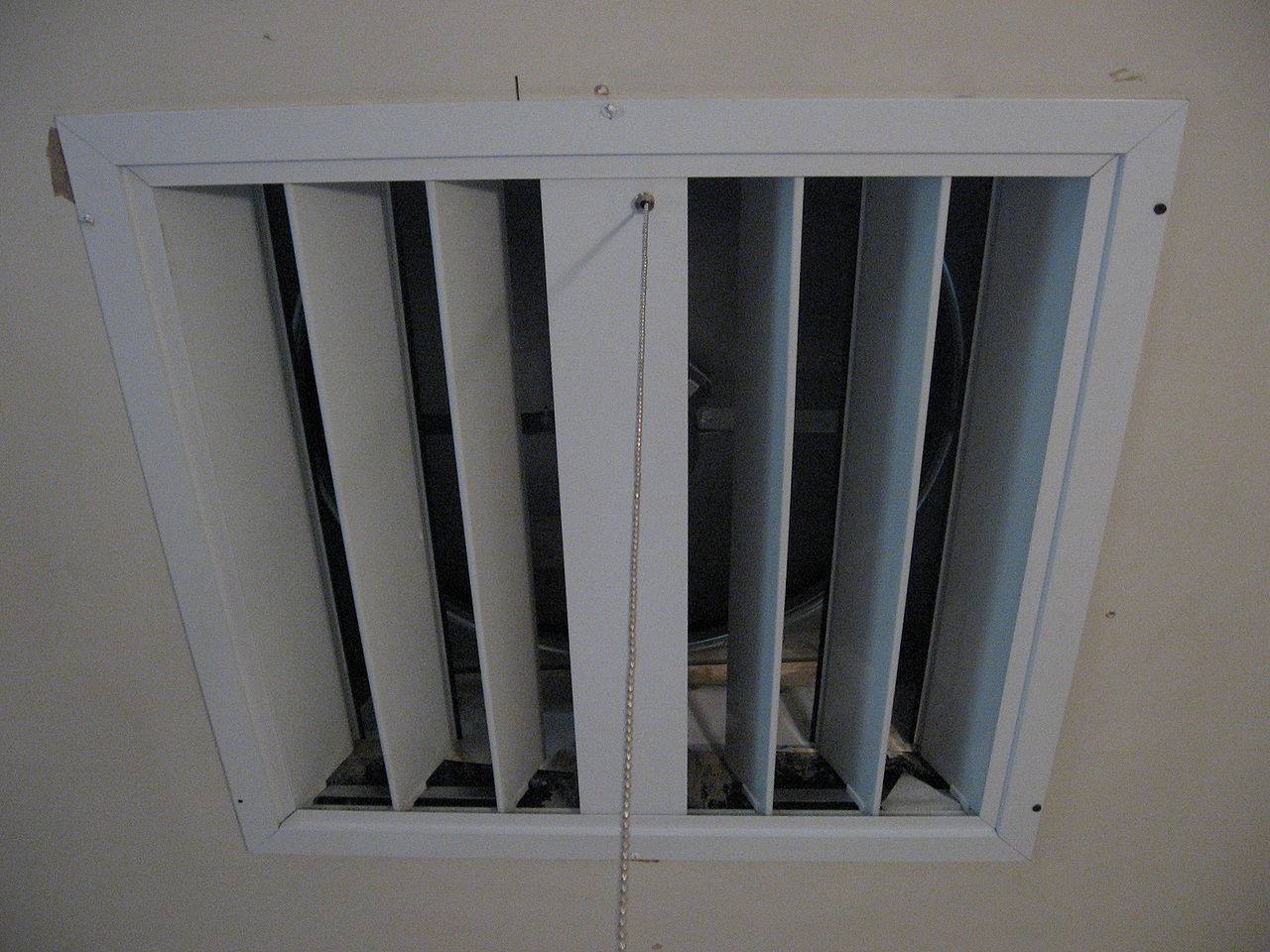
- Ventilation: Ensure that your home is well-ventilated. This can be as simple as opening windows on pleasant days or using exhaust fans in kitchens and bathrooms to remove moisture and pollutants.
- Regular Cleaning: Regularly clean your home to reduce dust and allergens. Vacuum with a vacuum cleaner fitted with a HEPA filter to capture smaller particles.
- Control Humidity: Keep indoor humidity levels between 30% and 50% to discourage mold growth and dust mites. Use dehumidifiers if necessary.
- Air Purifiers: Consider using air purifiers with HEPA filters to help remove airborne particles, particularly in bedrooms and areas where family members spend a lot of time.
- Houseplants: Certain houseplants can help improve indoor air quality by absorbing pollutants. However, choose plants that are non-toxic to pets and children.
- Reduce VOCs: Select low-VOC paints, cleaning products, and building materials. Look for products labeled as low-emission to minimize harmful chemicals in your home.
Staying Informed
It is essential to stay informed about the health impacts of our indoor environments. As highlighted by the recent call from MPs to ban fast food outlets near schools to address obesity, public health policies increasingly recognize the importance of our surroundings in shaping health outcomes. Similarly, understanding and improving indoor air quality can contribute to a healthier, safer home for families.
Conclusion
By taking steps to enhance indoor air quality, you can create a more health-conscious home environment. Regular maintenance, informed product choices, and simple habits can make a substantial difference. As we learn more about the links between our environments and health, making these changes can contribute positively to the well-being of our families.