Creating a healthy home environment involves making conscious decisions that contribute to the well-being of everyone in your household. It’s not just about the food you eat or the air you breathe; it also encompasses factors like water quality, moisture levels, and overall household organization. Here are some practical strategies to enhance your home’s healthfulness.
Improve Indoor Air Quality
Indoor air quality can significantly affect your family’s health. Dust, allergens, and pollutants can accumulate in your home, leading to respiratory issues and other health problems. To improve indoor air quality, consider the following:
- Regularly change your HVAC filters according to the manufacturer’s recommendations.
- Use exhaust fans in kitchens and bathrooms to minimize moisture and reduce mold growth.
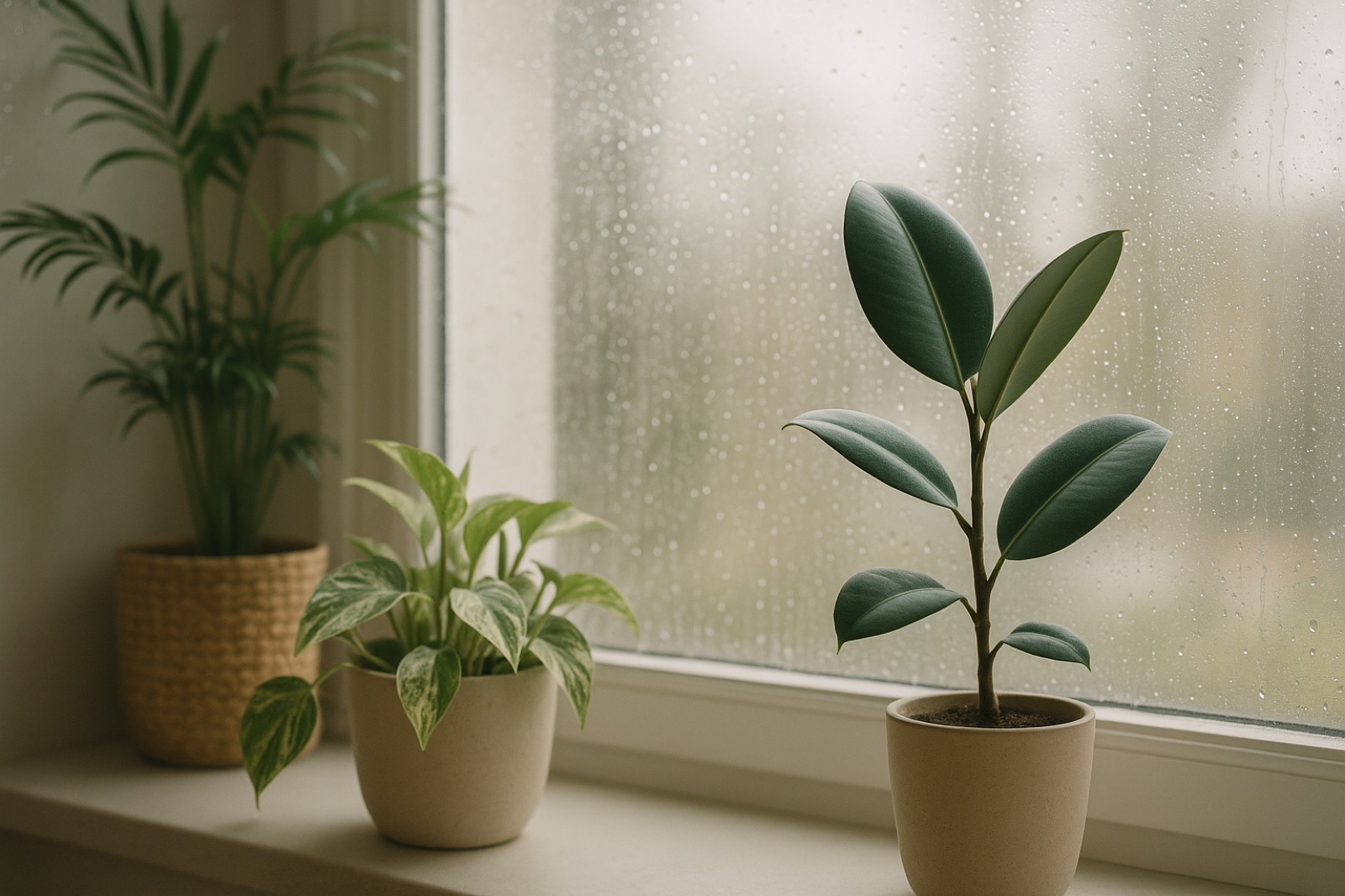
- Incorporate houseplants that can help purify the air, such as spider plants or peace lilies.
- Limit the use of synthetic fragrances and cleaning products that may emit harmful chemicals.
Manage Moisture Levels
Excess moisture can lead to mold and mildew, which pose health risks. To control moisture levels:
- Ensure proper ventilation in areas prone to dampness, such as basements and attics.
- Invest in a dehumidifier if humidity levels consistently exceed 60%.
- Fix leaks promptly, whether from plumbing, roofs, or windows.
- Avoid overwatering plants indoors, as this can contribute to excess moisture.
Focus on Water Quality
Access to clean drinking water is essential for health. Contaminated water can lead to various health issues, so ensuring your water is safe to consume is vital. Here are some steps to enhance water quality:
- Consider installing a water filtration system that meets your household’s needs.
- Be aware of local water quality reports to understand potential contaminants.
- Regularly clean and maintain any water storage tanks or systems in your home.
- Use a water testing kit to check for common contaminants, such as lead or bacteria, especially if you have older plumbing.
Encourage Healthy Eating Habits
The environment in which you prepare and eat food can influence dietary choices. To create a supportive eating environment:
- Stock your kitchen with healthy snacks and whole foods to encourage better choices.
- Limit the availability of processed foods that are high in sugar and unhealthy fats.
- Involve your family in meal planning and preparation to make healthy eating a shared responsibility.
- Create a designated eating area that is free from distractions like television or electronic devices.
Reduce Clutter
A tidy home can lead to a clearer mind and a more peaceful environment. Reducing clutter is more than just aesthetics; it can also impact your family’s overall health:
- Implement a regular decluttering routine, focusing on one room or area at a time.
- Encourage family members to donate or recycle items they no longer use.
- Establish organizational systems that make it easy to keep spaces tidy.
- Consider the emotional impact of clutter and how a clean space can improve mood and productivity.
In light of recent discussions about public health, such as The Guardian's editorial emphasizing the need to prioritize health over industry pressure regarding obesity, it remains crucial to create environments that support healthy choices at home. While we cannot control every external factor, we can certainly influence our immediate surroundings to foster well-being.
By implementing these straightforward strategies, you can make meaningful improvements to your home environment. A little effort can lead to a healthier, happier living space for you and your family.