Indoor air quality is a crucial aspect of home wellness that often goes unnoticed. As families spend more time indoors, especially during colder months, understanding how to maintain a healthy indoor environment becomes essential. Poor air quality can lead to various health issues, including respiratory problems, allergies, and even fatigue. Here are some practical steps to enhance air quality at home, ensuring a comfortable and healthy living space.
Understanding Pollutants
Indoor air can harbor a variety of pollutants, including dust, pet dander, mold spores, and volatile organic compounds (VOCs) emitted from household products. According to the U.S. Environmental Protection Agency (EPA), indoor air can be more polluted than outdoor air, making it vital to manage these contaminants effectively.
Ventilation is Key
One of the simplest ways to improve indoor air quality is through proper ventilation. Opening windows when weather permits can help circulate fresh air and reduce indoor pollutants. If outdoor air quality is not favorable, consider using exhaust fans in kitchens and bathrooms to remove odors and excess moisture. Additionally, using air purifiers equipped with HEPA filters can help trap airborne particles, providing cleaner air.
Maintain Humidity Levels
Humidity plays a significant role in air quality. High humidity can encourage the growth of mold and dust mites, while low humidity can lead to dry skin and respiratory discomfort. Aim to keep indoor humidity levels between 30 and 50 percent. You can use a hygrometer to monitor humidity levels and dehumidifiers or humidifiers to adjust as necessary. This balance not only improves comfort but also protects your home from potential moisture-related issues.
Houseplants for Natural Filtration
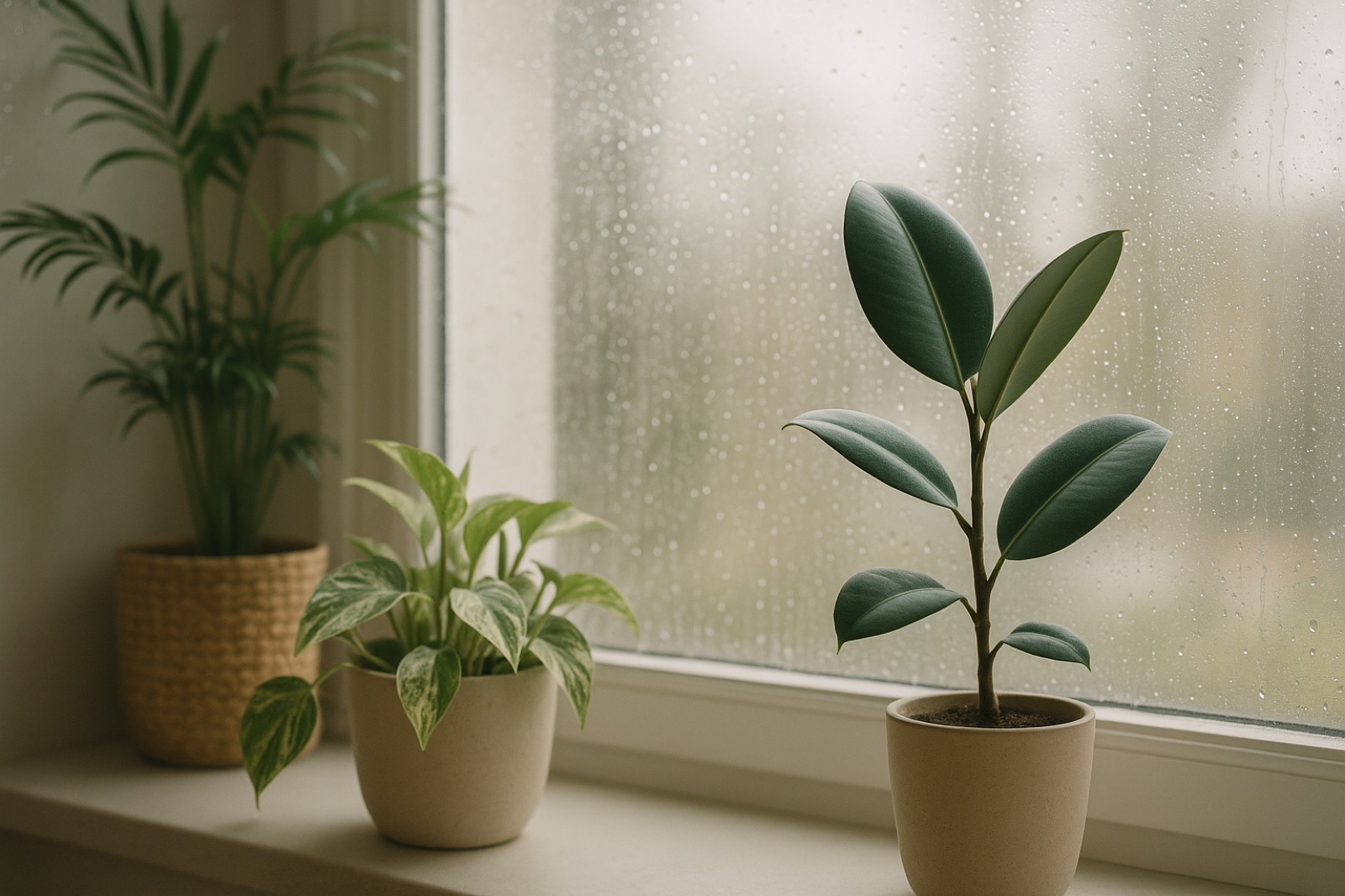
Incorporating houseplants can also enhance indoor air quality. Certain plants are known for their air-purifying properties, including peace lilies, spider plants, and snake plants. These plants can absorb toxins and release oxygen, contributing to a healthier indoor environment. Just be sure to choose plants that are non-toxic to pets and children if applicable.
Routine Cleaning Practices
Regular cleaning can significantly reduce indoor air pollutants. Dust surfaces, vacuum carpets, and clean upholstery weekly to minimize allergens. Use a vacuum cleaner with a HEPA filter to trap dust and dander effectively. Additionally, consider using non-toxic cleaning products to avoid introducing harmful chemicals into your home.
Stay Informed about Outdoor Air Quality
Outdoor air quality can impact indoor conditions, particularly for those living in urban areas. Staying informed about local air quality reports can help you decide when to keep windows closed or to use air purifiers more aggressively. Various apps and websites provide real-time updates on air quality, allowing you to make informed choices about your indoor environment.
Monitoring Your Home Environment
Finally, consider investing in indoor air quality monitors. These devices can provide real-time feedback on several factors, such as particulate matter, VOC levels, and humidity. By staying informed, you can take proactive measures to address any issues that may arise.
While we often focus on nutrition and physical health, the quality of the air we breathe at home is equally important. By implementing these practical tips, families can create a more comfortable and health-promoting living environment. As reported by NPR, health conditions can sometimes be exacerbated by overlooked environmental factors, making it essential to prioritize air quality at home as part of an overall wellness strategy. For more information on related health topics, you can read about how “pythons’ extreme biology may hold clues for treating human disease” here.